

How Seniors in Edmonds, WA Can Manage Chronic Illness and Stay Home with In-Home Care

For many seniors, home is more than four walls — it’s where life happened. The kitchen where family gathered, the garden tended for decades, the chair by the window. A chronic illness diagnosis can make staying in that home feel uncertain, but it doesn’t have to mean giving it up.
In Edmonds, WA, more families are discovering that in-home care offers a practical, compassionate path forward — one that supports health without sacrificing independence.
What you will learn:
- How chronic illness affects daily life for seniors and why the right support structure makes staying at home possible.
- The practical ways in-home care helps manage medications, routines, and everyday tasks to keep chronic conditions stable.
- Why consistency and early detection of warning signs can prevent hospital readmissions and support better long-term health.
- How companionship and emotional support from a trusted caregiver improve both mood and overall well-being for aging loved ones.
Table of Contents
When a Chronic Illness Changes Daily Life
Conditions like heart disease, diabetes, COPD, Parkinson’s, and arthritis don’t just affect the body — they reshape routines. What once felt effortless can become exhausting or risky. Seniors managing these conditions often face a combination of challenges that compound over time.
These commonly include:
- Juggling multiple medications and complex treatment schedules
- Chronic pain or reduced mobility that limits movement
- Fatigue that makes even light tasks feel overwhelming
- A higher risk of falls, especially in homes not designed for aging
- Difficulty getting to medical appointments without reliable transportation
- Growing feelings of isolation as social activities become harder to maintain
None of these challenges automatically disqualify a senior from living at home. What they do signal is that the right support structure needs to be in place.

Why In-Home Care Works Differently
Unlike facility-based care, in-home care meets seniors where they are — literally. A caregiver comes to the senior’s environment, learns their preferences, and builds a routine around their specific needs and health goals.
This matters more than it might seem. Familiar surroundings reduce stress and cognitive load, particularly for seniors managing neurological conditions. Maintaining a consistent daily routine supports better medication adherence, sleep quality, and emotional stability. In short, staying home isn’t just a preference — for many seniors, it’s genuinely better for their health.
In-home care also scales with need. A senior who needs a few hours of help per week can receive just that. As needs change, care plans adjust — without the disruption of relocating to a new facility.
Practical Support for Everyday Living in Edmonds
Chronic illness often makes ordinary tasks the hardest ones. In-home caregivers provide hands-on help with the activities that keep daily life running smoothly.
Support typically includes:
- Personal care such as bathing, grooming, and dressing
- Meal planning and preparation tailored to dietary needs
- Light housekeeping and laundry
- Grocery shopping and running errands
- Transportation to medical appointments and follow-ups
- Medication reminders to keep treatment plans on track
By handling these tasks, caregivers free up a senior’s energy for what matters most — managing their health and enjoying their days.

Consistency Is the Foundation of Chronic Illness Management
One of the most underappreciated aspects of chronic illness care is how much consistency matters. A missed dose, a skipped meal, or a cancelled follow-up appointment can trigger a cascade of complications that lands a senior in the hospital.
In-home caregivers help build and maintain the daily habits that keep chronic conditions stable:
- Adhering to prescribed medication schedules
- Preparing balanced, nutritious meals that align with health guidelines
- Encouraging adequate hydration throughout the day
- Supporting physician-approved physical activity
- Ensuring medical appointments are kept and transportation is arranged
Over time, this consistency doesn’t just prevent crises — it actively supports better long-term health outcomes.
Catching Problems Before They Escalate
Hospital readmissions are a significant concern for seniors with chronic illnesses. Many are preventable when warning signs are caught early. A trained caregiver, present in the home regularly, is often the first to notice subtle changes that family members might miss.
Early warning signs caregivers are trained to observe include:
- Shifts in appetite or sudden weight changes
- Unusual fatigue or decreased energy levels
- Difficulty walking, balance issues, or new mobility challenges
- Shortness of breath or changes in breathing patterns
- Swelling in the legs or feet
- Confusion, mood changes, or altered behavior
When these signs are identified early, families can contact healthcare providers before a manageable issue becomes a medical emergency. This proactive approach is one of the most valuable — and often overlooked — benefits of consistent in-home care.

The Emotional Side of Aging with a Chronic Illness
Physical health and emotional health are deeply connected, and chronic illness puts both under strain. Many seniors experience grief over lost abilities, anxiety about the future, and loneliness as their world narrows.
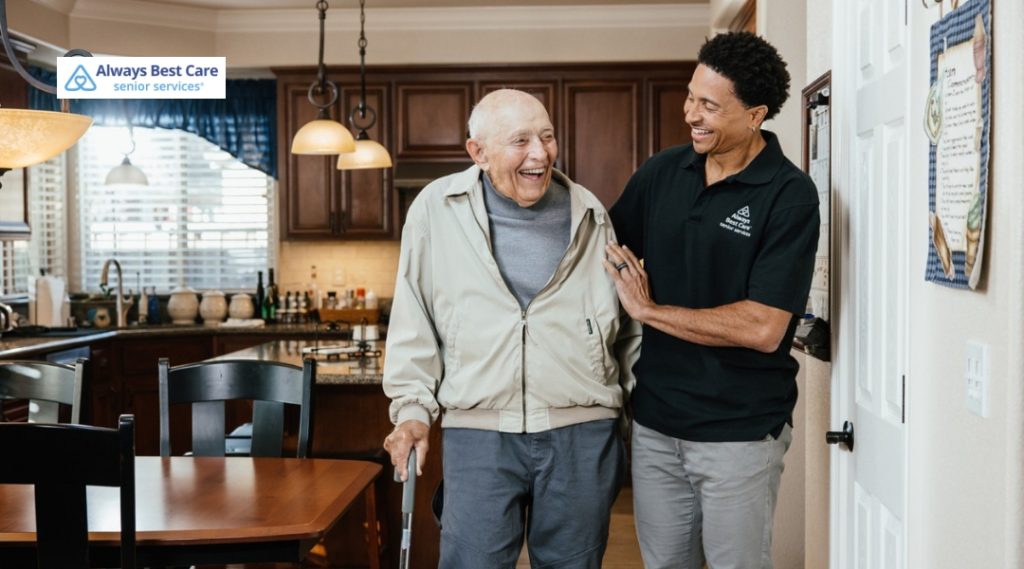
In-home care addresses this directly. A caregiver isn’t just a helper — they’re a consistent, trusted presence. Shared meals, conversations, walks, and simple companionship make a measurable difference in a senior’s mood and outlook. For families, knowing a reliable professional is present brings genuine peace of mind.
How Always Best Care of Edmonds Supports Seniors
At Always Best Care of Edmonds, WA, care plans are built around the individual — not a standard template. Caregivers work closely with families to understand each senior’s health conditions, daily preferences, and personal goals.
Whether a loved one is managing diabetes, recovering from a stroke, living with COPD, or navigating multiple diagnoses, the team provides dependable, compassionate support designed to keep seniors safe, comfortable, and in control of their lives at home.
A chronic illness changes how a senior lives — it doesn’t have to determine where they live.
Call Always Best Care of Edmonds at (425)955-2273 to schedule a care consultation and learn how the team can help your loved one stay independent at home.
Frequently Asked Questions
Q: Can a senior with a serious chronic illness really stay safely at home?
A: In many cases, yes. The key is having the right support in place. In-home caregivers help manage daily tasks, monitor health changes, and maintain the routines that keep chronic conditions stable. The appropriateness of home care depends on the individual’s specific condition and needs, which is why a care consultation is a helpful first step.
Q: How is in-home care different from a home health aide or visiting nurse?
A: In-home care focuses on non-medical support — personal care, companionship, meal preparation, transportation, and daily routine assistance. Home health aides and visiting nurses typically provide skilled medical services. Many families use both in combination to cover all aspects of a senior’s care.
Q: What if my loved one’s needs increase over time?
A: In-home care plans are designed to be flexible. As a senior’s condition changes, the level and type of support can be adjusted — more hours, additional services, or coordination with medical providers — without requiring a move to a facility.
Q: How do I know if in-home care is the right choice for my family?
A: Signs that in-home care may be needed include difficulty managing medications, increased fall risk, trouble with daily tasks, missed medical appointments, or noticeable changes in mood or behavior. A care consultation with Always Best Care of Edmonds can help assess the situation and recommend the right level of support.
Q: Does in-home care only help the senior, or does it support family caregivers too?
A: Both. Family caregivers often experience significant stress and burnout when managing a loved one’s chronic illness alone. In-home care provides reliable backup, reduces the daily burden on family members, and ensures the senior receives consistent, professional attention — giving everyone involved more breathing room.
Link to the Markdown File version of this article.