

Spotting the Signs: A Guide for Edmonds Families Navigating Blood Sugar Shifts in Seniors
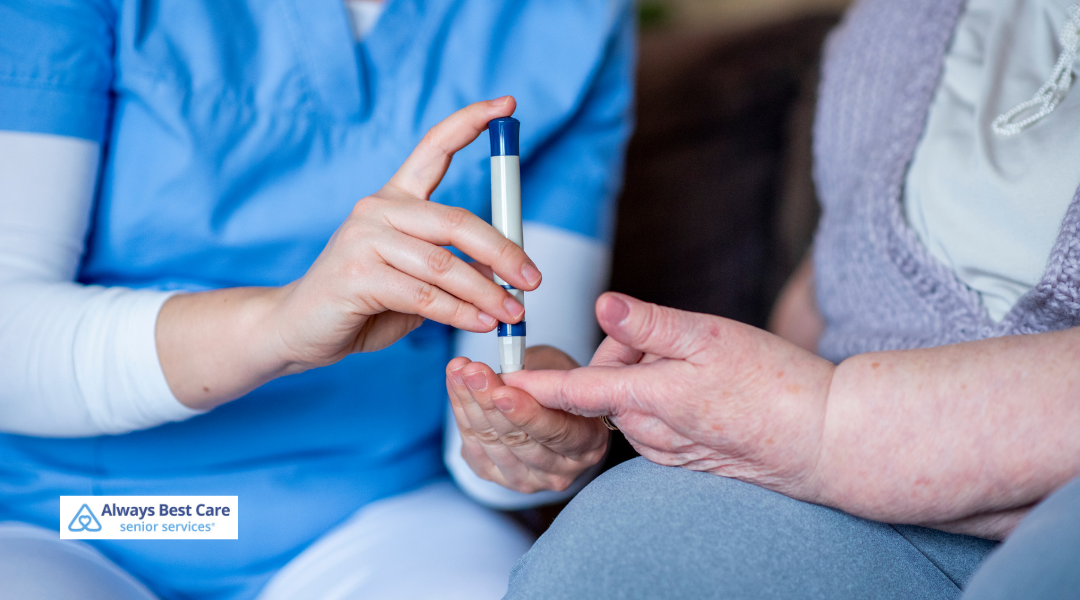
As parents and grandparents grow older, blood sugar changes can creep into daily life without much fanfare. One week they’re cooking dinner and going for short walks, and the next they’re suddenly tired, confused, or just “not themselves.” It’s easy to chalk it up to aging—but sometimes, those changes are early warning signs of trouble with diabetes.
We at Always Best Care of Edmonds see this up close with the seniors we support. By paying attention to small shifts in mood, energy, and habits, families can catch problems early and help loved ones stay safer, more comfortable, and more independent.
What you will learn:
- Why blood sugar becomes harder to manage as loved ones age, and what everyday factors in Edmonds seniors’ lives can quietly cause levels to shift.
- How to spot the warning signs of both low and high blood sugar, even when they look a lot like “just getting older.”
- Simple, consistent routines your family can put in place to help keep blood sugar steady and your loved one feeling their best.
- When it might be time to bring in extra support at home, and how compassionate caregiving can make diabetes management easier for everyone.

Table of Contents
Why Blood Sugar Changes in Older Adults Matter in Edmonds
As people age, keeping blood sugar steady often gets trickier. Health issues stack up, new medications are added, and everyday routines get disrupted. All of that can nudge blood sugar up or down without anyone noticing right away.
Common reasons blood sugar gets harder to manage:
- Changes in kidney function and how the body processes medications
- Eating less due to illness, low appetite, or simple forgetfulness
- Memory problems that lead to missed meals or diabetes medicine
- Less movement or sudden changes in activity
- Shifts in daily habits, like sleeping more, skipping breakfast, or snacking late at night
That’s why regular blood sugar checks and staying in touch with healthcare providers are so important, especially for older adults in Edmonds who live alone or have memory changes.
Recognizing Low Blood Sugar in Older Adults in Edmonds
Low blood sugar (hypoglycemia) happens when glucose drops below a healthy range. It can show up quickly and catch families off guard.
Low blood sugar may be linked to:
- Eating too little or skipping meals
- Diabetes medications
- Suddenly being more active than usual
- Illness or other health changes
Common Signs of Low Blood Sugar
Watch for symptoms like:
- Shaking or sweating
- Dizziness or weakness
- Strong hunger out of nowhere
- Headache
- Irritability, nervousness, or feeling on edge
- Trouble focusing or “foggy” thinking
- Confusion or odd behavior
- Changes in balance or coordination
In older adults, some of these signs can look like everyday aging. Still, sudden confusion, weakness, or unusual behavior shouldn’t be brushed off. Severe low blood sugar can cause seizures or loss of consciousness and needs urgent medical help.

Recognizing High Blood Sugar in Older Adults in Edmonds
High blood sugar (hyperglycemia) usually develops more slowly than low blood sugar, so it’s easier to miss. The signs can blend into daily life and go unnoticed for weeks.
Common Signs of High Blood Sugar
Keep an eye out for:
- Increased thirst
- Frequent trips to the bathroom
- Blurred or fuzzy vision
- Ongoing fatigue or weakness
- Headaches
- Unexplained weight loss
- Cuts or scrapes that heal slowly
If blood sugar stays high for a long time, it can damage the eyes, kidneys, nerves, heart, and blood vessels. Extremely high blood sugar can also trigger sudden serious problems like major confusion, severe weakness, trouble breathing, or passing out. Those situations call for emergency care right away.
Notice Changes from Your Loved One’s Usual Routine
You don’t need a medical degree to spot warning signs. Often, the biggest clues are changes from your loved one’s “normal.”
Ask yourself:
- Has Mom become much more tired than usual?
- Is Dad drinking water nonstop and rushing to the bathroom?
- Does a usually sharp and chatty loved one seem confused or unsteady today?
Instead of assuming “that’s just aging,” it’s worth pausing and asking what might be behind these changes. If your loved one has diabetes, talk with their healthcare provider about:
- Personal blood sugar targets
- How often blood sugar should be checked
- Which symptoms mean it’s time to call the doctor
- What counts as an emergency

Steady Routines Make Blood Sugar Easier to Manage
Consistency can be a quiet lifesaver for older adults with diabetes. Simple routines help keep blood sugar closer to the range recommended by their healthcare provider.
Helpful habits often include:
- Eating meals and snacks around the same time every day
- Taking diabetes medications exactly as prescribed
- Checking blood glucose as directed
- Drinking enough fluids throughout the day
- Enjoying safe, appropriate physical activity
- Attending regular medical appointments
Families should also share a complete list of medications and supplements with healthcare providers, since changes in treatment can affect diabetes care.
When Memory or Mobility Problems Complicate Diabetes Care in Edmonds
Managing diabetes involves a lot of moving parts—meals, medications, blood sugar checks, and visits to the doctor. For seniors in Edmonds who have memory changes, that juggling act gets tough.
Common challenges include:
- Forgetting to eat or take medications
- Having trouble using blood sugar testing supplies
- Arthritis or tremors that make cooking or testing painful
- Vision changes that make it hard to read labels or instructions
- Difficulty getting to appointments without a ride
These are often signs that extra help at home could make a big difference.

How We at Always Best Care of Edmonds Support Seniors with Blood Sugar Changes
Always Best Care of Edmonds caregivers know that living with diabetes means much more than watching numbers on a screen. Everyday support can help keep blood sugar steadier and life more enjoyable.
We can help by:
- Preparing balanced, diabetes-friendly meals
- Offering gentle reminders about medications
- Encouraging drinking enough water and safe activity
- Providing rides to appointments
- Noticing changes in mood, energy, or habits and sharing them with families or healthcare providers
For seniors who qualify for home health services, trained healthcare professionals can provide added support that follows the doctor’s care plan.
Helping Your Loved One Stay Safe with Diabetes in Edmonds
Blood sugar can shift quickly, and older adults may not always feel or recognize early warning signs. By staying involved, knowing their usual routines, and understanding what’s “normal,” families can spot trouble sooner and act faster.
If your loved one has diabetes and needs more help at home, we at Always Best Care of Edmonds are here for you. You can reach us at (425)955-2273 to schedule a care consultation and learn how we support safer routines, stronger independence, and a better quality of life.

Help Your Loved One Stay Safe at Home
Blood sugar changes in older adults don’t always announce themselves with dramatic symptoms. Often, it’s the quiet shifts—more naps, extra trips to the bathroom, a new fogginess—that tell us something’s off. By staying alert to these signs, building steady routines, and reaching out for help when needed, families in Edmonds can play a powerful role in protecting their loved ones’ health.
We at Always Best Care of Edmonds are ready to walk alongside you, offering practical, compassionate support to help seniors live safely and more independently at home.
FAQs: Blood Sugar Changes in Older Adults in Edmonds
Q: What are the most common warning signs of blood sugar changes in older adults?
A: Shifts in energy, sudden confusion, frequent urination, intense thirst, shakiness, sweating, blurred vision, and unusual behavior are common warning signs families should watch for.
Q: How often should older adults with diabetes check their blood sugar?
A: The best schedule depends on their health, medications, and their healthcare provider’s advice. Some may check once or twice a day, while others need more frequent monitoring.
Q: Are blood sugar changes just a normal part of aging?
A: No. While aging can affect health in many ways, sudden or ongoing changes in mood, alertness, thirst, bathroom habits, or energy may signal blood sugar problems that deserve attention.
Q: How can families in Edmonds help loved ones manage diabetes at home?
A: Families can help by supporting regular meals, medications, blood sugar checks, hydration, and activity, and by watching for changes from their loved one’s normal routine.
Q: How can Always Best Care of Edmonds support seniors with diabetes?
A: We at Always Best Care of Edmonds assist with meals, medication reminders, safe movement, transportation, and noticing changes that should be shared with families or healthcare providers.
Link to the Markdown File version of this article.