
From Rehab to Home: How In-Home Care Helps Seniors Recover Safely and Comfortably
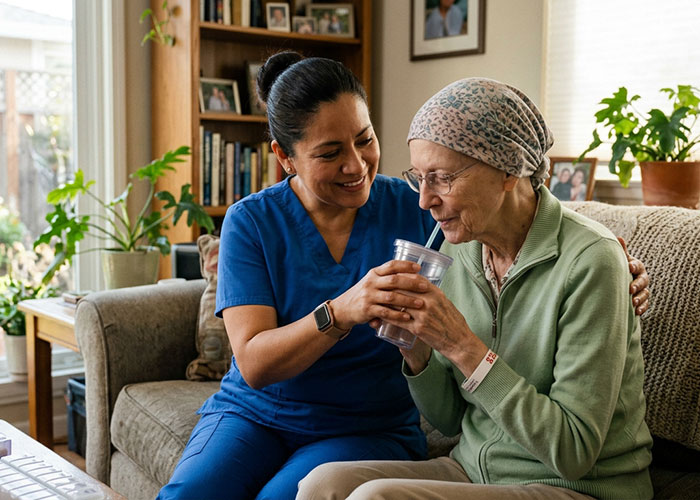
Recovering from a hospital stay, surgery, or rehabilitation program can be one of the most vulnerable times in a senior’s life. Even after discharge, many older adults still need extra help regaining their strength, mobility, and confidence. That’s where in-home care plays a vital role.
Transitioning from rehab to home can be both exciting and challenging. Seniors look forward to returning to familiar surroundings, but they may still be managing fatigue, medication changes, limited mobility, or fear of falling. Having a professional caregiver by their side can make all the difference—helping them recover safely while maintaining independence and dignity.
Table of Contents
The Challenges of Returning Home After Rehab
Leaving the structured environment of a rehabilitation center often brings new responsibilities and risks. Without consistent supervision or support, seniors may struggle to follow discharge instructions or complete daily routines.
Common post-rehab challenges include:
- Fatigue or weakness that limits mobility
- Difficulty with stairs or balance issues that increase fall risk
- Complex medication schedules
- Dietary restrictions or changes in appetite
- Wound care or ongoing therapy exercises
- Emotional anxiety or fear of re-injury
For families, these concerns can be overwhelming, especially when balancing work, caregiving, and other commitments. That’s where Always Best Care’s in-home services step in to provide peace of mind.
How In-Home Care Helps Seniors Recover More Effectively
After a medical event, recovery doesn’t stop once a senior returns home. In-home caregivers provide essential day-to-day support that promotes healing and helps prevent setbacks.
Here’s how Always Best Care makes recovery easier and safer:
1. Assistance with Daily Living
Simple tasks can feel difficult during recovery. Caregivers can help with:
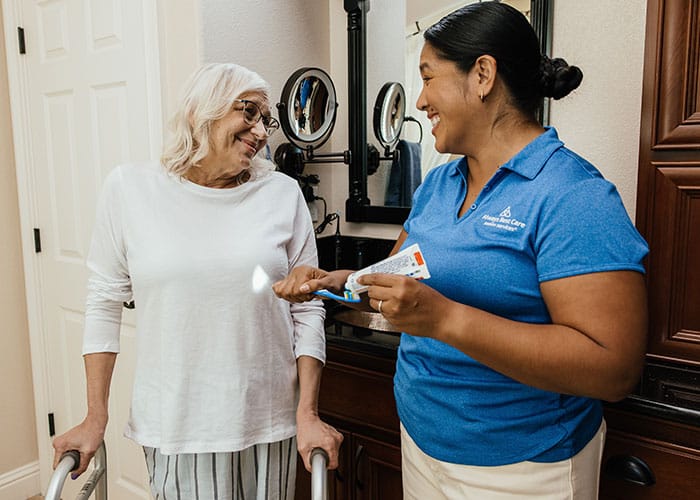
- Bathing, grooming, and dressing
- Light housekeeping and laundry
- Meal planning and preparation
- Grocery shopping and errands
By managing these responsibilities, caregivers allow seniors to focus their energy on healing.
2. Medication Reminders and Health Monitoring
Following a medication schedule after rehab is crucial, but it can also be confusing. A caregiver helps seniors stay on track by providing reminders for:
- Medication timing and dosage
- Refills and prescription pick-ups
- Recording any side effects or concerns
Caregivers also monitor changes in behavior, appetite, or mobility, alerting family members and healthcare providers if anything seems off.
3. Support for Physical and Occupational Therapy
Rehabilitation exercises often continue at home, but motivation can fade without encouragement. Caregivers can help seniors stay consistent with their routines by:
- Assisting with prescribed exercises
- Encouraging gentle movement and mobility
- Providing stability and confidence during walking or stretching activities
This steady support helps improve strength, balance, and independence while reducing the risk of readmission.
4. Transportation to Appointments
Keeping up with follow-up visits is essential for recovery, but not all seniors can drive. In-home caregivers can provide safe, reliable transportation to:
- Doctor’s appointments
- Physical therapy sessions
- Pharmacy visits
- Social activities and community events
This ensures seniors stay connected and continue receiving the care they need.
5. Emotional Support and Companionship
Healing isn’t only physical, it’s emotional, too. Returning home after a hospital stay can leave seniors feeling lonely or anxious, especially if mobility is limited. Having a compassionate caregiver nearby offers:
- Reassurance and companionship
- Someone to talk to and share meals with
- Encouragement during moments of frustration
Emotional support plays a major role in recovery, helping seniors feel cared for and confident as they regain independence.
A Partner in Post-Rehab Recovery
Always Best Care caregivers work closely with families, doctors, and rehabilitation teams to ensure a smooth transition home. By providing personalized care plans tailored to each senior’s needs, we help bridge the gap between medical care and independent living.
Our caregivers are trained to support post-rehabilitation needs, whether that means assistance for a few hours a day or around-the-clock care. We focus on keeping seniors safe, comfortable, and engaged as they continue their recovery journey.
Helping Seniors Thrive at Home
Recovering from surgery or illness takes time, patience, and the right support. With Always Best Care, seniors can return home knowing they have a trusted partner to help them every step of the way.
Call Always Best Care today at (855) 470-2273 to schedule a care consultation and learn how our compassionate caregivers can help your loved one recover safely and confidently after rehab.