
Speech Therapy at Home in Alexandria: How It Supports Seniors With Stroke or Neurological Conditions

Recovering from a stroke or neurological condition can feel like starting over in ways most people take for granted. Words don’t come out right, sentences trail off, and even simple conversations can feel exhausting. For many seniors, this loss of communication creates frustration that reaches far beyond speech, it affects confidence, relationships, and independence.
That’s where Speech Therapy at Home in Alexandria offers something genuinely valuable. Instead of adding the stress of travel or unfamiliar environments, therapy happens right at home. In a space that feels safe and familiar, seniors can focus on rebuilding their communication skills at their own pace, with guidance that fits naturally into daily life.
What you will learn:
- How Speech Therapy at Home in Alexandria helps seniors recover communication skills after stroke or neurological conditions.
- The common speech and cognitive challenges seniors face and why early, consistent therapy matters.
- The benefits of receiving speech therapy in a familiar home environment for better comfort and progress.
- What to expect from in-home sessions, including caregiver involvement and personalized treatment approaches.
Table of Contents
Understanding Speech Challenges and Why Therapy Matters
After a stroke or neurological diagnosis, communication difficulties often show up in different forms. Some seniors struggle to find the right words, a condition known as aphasia. Others may have slurred or slow speech due to dysarthria, or difficulty coordinating speech movements, called apraxia. In conditions like Parkinson’s disease or dementia, speech may be affected alongside memory and cognitive changes.
These challenges don’t just make conversations harder; they reshape everyday life. Asking for help, expressing needs, or even participating in family moments can suddenly feel out of reach. Over time, this can lead to withdrawal or isolation.
That’s why early and consistent speech therapy matters. The brain has a remarkable ability to adapt, especially with the right kind of support. With regular practice and guidance, seniors can strengthen communication pathways, improve clarity, and regain a sense of control in their interactions.
Why In-Home Speech Therapy Makes a Difference
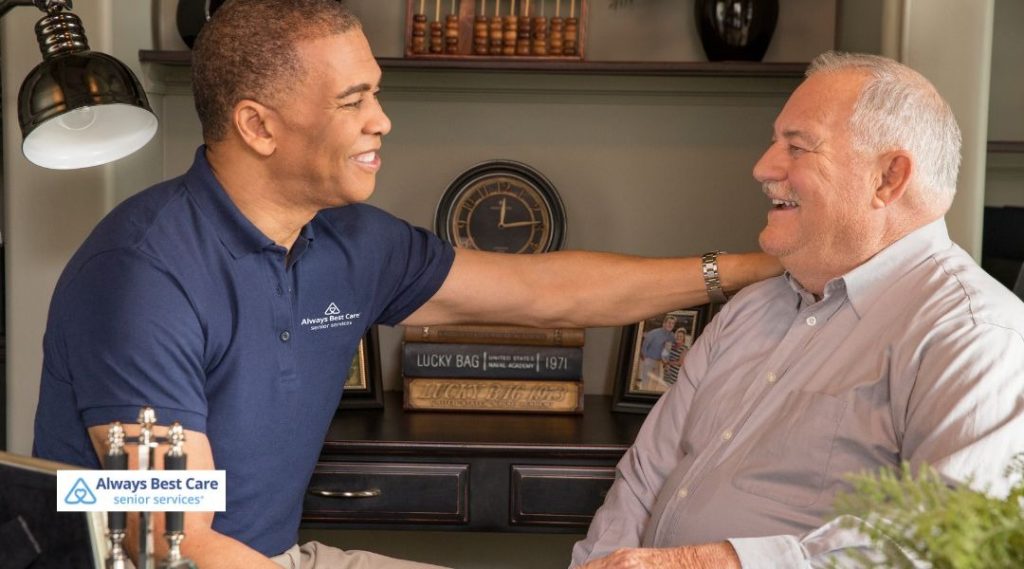
There’s something powerful about receiving care in a familiar environment. At home, seniors are surrounded by their routines, their belongings, and a sense of ease that simply can’t be replicated in a clinic. This comfort often leads to better engagement and more meaningful progress.
In-home therapy also removes common barriers. There’s no need to worry about transportation, long waits, or physical strain just to attend a session. Instead, therapy becomes part of everyday life, consistent, accessible, and easier to stick with.
Another advantage is the level of personalization the experience offers. Therapists can tailor exercises to real-life situations, like practicing conversations in the kitchen or improving recall during daily activities. It’s practical, relevant, and far more effective than abstract drills.
What Happens During Speech Therapy at Home
Speech therapy isn’t a one-size-fits-all process. It typically begins with an assessment to understand the senior’s specific challenges, whether related to speech, comprehension, memory, or swallowing. From there, a customized plan is created to target those needs.
Sessions often include a mix of activities designed to rebuild communication and cognitive skills. These may involve practicing word recall, forming sentences, improving pronunciation, or working on memory and attention. For seniors with swallowing difficulties, therapists also introduce techniques that make eating and drinking safer.
What makes this approach especially effective is how it blends into daily life. Rather than feeling like a clinical task, therapy becomes part of normal interaction, talking, listening, and engaging in ways that feel natural.
Family members and caregivers play an important role here as well. With a bit of guidance, they can reinforce techniques between sessions, helping maintain consistency and encouraging progress. Even small adjustments in how they communicate can make a noticeable difference.

Getting the Right Support in Alexandria
Recognizing when to seek help is an important step. Signs like difficulty speaking clearly, trouble understanding conversations, memory lapses, or challenges with swallowing shouldn’t be ignored. Addressing these early can significantly improve outcomes.
Always Best Care of Alexandria connects seniors with experienced professionals who understand the complexities of speech and neurological recovery. Their approach focuses on compassionate, personalized care that adapts to each person’s needs and pace.
Getting started is usually straightforward. After an initial consultation and assessment, a care plan is developed, and therapy begins in the comfort of the home. From there, progress builds gradually, with ongoing support every step of the way.
Frequently Asked Questions
Q: What is Speech Therapy at Home in Alexandria?
A: It’s a service where licensed therapists provide speech and communication therapy in a senior’s home, focusing on recovery after stroke or neurological conditions.
Q: How does in-home therapy help seniors recover?
A: It creates a comfortable environment that encourages participation, consistency, and real-world practice, which can lead to better outcomes.
Q: Who needs speech therapy after a stroke?
A: Seniors who experience difficulty speaking, understanding language, or swallowing often benefit from professional therapy.
Q: Can therapy improve swallowing issues?
A: Yes, speech therapists are trained to address swallowing difficulties and can provide exercises and strategies to improve safety during meals.
Q: How do I get started in Alexandria?
A: You can contact a provider like Always Best Care of Alexandria to schedule an assessment and begin a personalized therapy plan.
Supporting Recovery and Quality of Life at Home
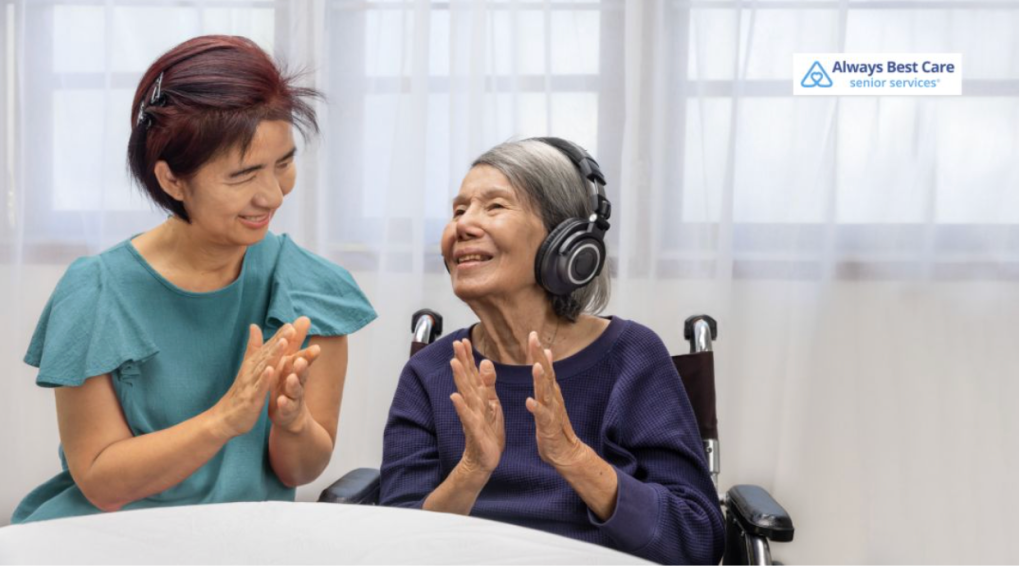
Regaining communication after a stroke or neurological condition takes time, patience, and the right kind of support. It’s not just about forming words again; it’s about reconnecting with people, routines, and the moments that make life feel full.
Speech Therapy at Home in Alexandria helps make that journey feel more manageable. Bringing care into a familiar space turns therapy into something approachable, consistent, and genuinely effective.
If someone you care about is struggling to communicate, it may be time to take that first step. Reach out to Always Best Care of Alexandria at (703) 424-9768 and discover how in-home speech therapy can help turn frustration into progress and silence into conversation.
Link to the Markdown File version of the article