
Senior Scams: How to Recognize the Warning Signs and Protect Your Loved One in Alexandria
Scams aimed at older adults aren’t just annoying; they can be devastating. In Alexandria and beyond, con artists are getting slicker, using tech tricks, emotional manipulation, and high-pressure tactics to separate seniors from their hard‑earned savings.
We see it all the time at Always Best Care of Alexandria: a friendly voice on the phone, a “can’t-miss” offer, or a fake emergency that sounds just real enough to panic someone who’s home alone. Before you know it, money’s gone, trust is shattered, and families are left asking, “How did this happen?”
The encouraging part? With awareness, conversation, and the right support, we can dramatically cut the risk. Let’s walk through what you and your loved one need to watch for, and how we can stand guard together.
What you will learn:
- Why scammers often target older adults in Alexandria and how trust, isolation, and technology gaps can make seniors more vulnerable.
- The most common senior scams you’re likely to see today, from phone and phishing schemes to sweepstakes, romance, and tech support cons.
- Clear warning signs that a call, message, or “offer” may be a scam, and simple ways to pause, verify, and stay safe.
- How loving family involvement and supportive in‑home care can work together to reduce risk and help seniors feel confident and protected at home.
Table of Contents
Why Are Seniors So Often Targeted by Scammers?
It’s no coincidence that scammers zero in on older adults. They’re counting on a few common situations, such as seniors who:
- Tend to be polite or trusting with strangers
- Have savings, retirement funds, or a steady income
- Live alone or feel isolated from friends and family
- Aren’t as familiar with online scams or new tech tricks
With those factors in play, crooks find it easier to build fake trust, spin believable stories, and pressure someone into handing over money or personal information.

Common Senior Scams in Alexandria
Scammers are always changing their playbook, but some schemes pop up again and again. Knowing these can help you stop trouble before it starts.
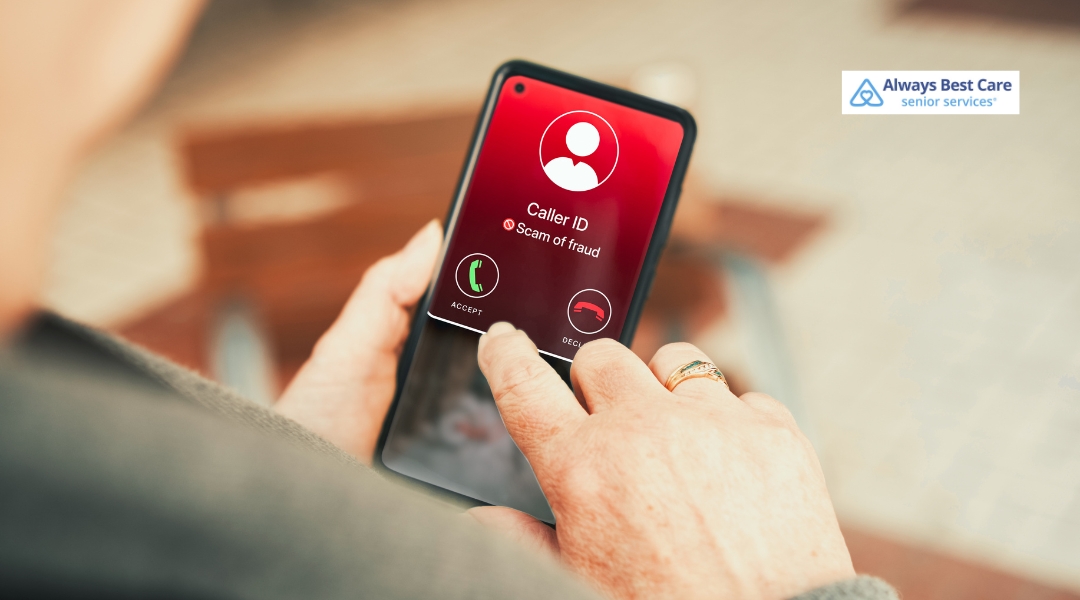
Phone Scams
A caller claims to be from the government, a utility company, the bank, or even a grandchild in crisis. They:
- Create urgency (“Pay now or we’ll shut off your power!”)
- Ask for immediate payment or sensitive information
- May spoof phone numbers so the call looks legitimate
If the call makes your loved one feel panicked or rushed, that’s a huge red flag.
Email and Phishing Scams
Here, the scam usually arrives as an email or text that seems to be from:
- A bank or credit card company
- A healthcare provider or pharmacy
- A popular store or delivery service
The message often:
- Includes a link to a fake website
- Asks the senior to “verify” account numbers, passwords, or Social Security information
One careless click, and sensitive data may land in the wrong hands.

Sweepstakes and Lottery Scams
“If you just pay the taxes or processing fee, your prize is waiting!” Sound familiar? In these scams:
- The senior is told they’ve won big money or a prize
- They must send money upfront to unlock the winnings
- No prize ever arrives, only repeated demands for more money
Legitimate contests don’t ask winners to pay fees to collect.
Romance Scams
Online friendships can be lovely, but scammers know that, too. They:
- Build a relationship over weeks or months
- Share emotional stories or pretend to fall in love
- Eventually, claim a financial emergency and ask for money
Because the connection feels so real, it can be especially painful when the truth comes out.
Tech Support Scams
A pop‑up flashes on the computer, or someone calls claiming:
- There’s a virus or security issue
- They’re from a well-known tech company
- They need remote access to “fix” the problem or a payment for repairs
In reality, they may install harmful software or dig for financial information.

Warning Signs of Senior Scams: What Should You Watch For?
Many scams share the same playbook. Spotting these patterns can stop a bad situation in its tracks. Watch for:
- Demands for immediate payment or “act now” pressure
- Requests for payment by gift cards, wire transfer, or cryptocurrency
- Unsolicited calls, emails, or messages asking for personal or financial information
- Messages that lean on fear, panic, or shame
- Requests to keep the situation secret from family or friends
If something feels “off,” it’s time to hit pause, hang up, or close the message, and verify the story through a trusted phone number or website.
How Families Can Help Protect Loved Ones in Alexandria
You don’t have to sit on the sidelines. As a family, you can make a real difference by staying present and proactive.
Consider steps like:
- Talk openly about common scams and how they work
- Encourage your loved one to double-check any payment request or urgent message
- Review bank and credit card accounts regularly for unusual transactions
- Set up call blocking, spam filters, and strong passwords
- Ask them to check with a trusted family member before making large financial decisions
Most importantly, create a safe space where your loved one feels comfortable saying, “I got a strange call today, what do you think?”

The Role of In‑Home Care in Scam Prevention in Alexandria
Here’s where we come in. At Always Best Care of Alexandria, we know that staying safe isn’t just about locks on the doors; it’s also about having someone nearby who notices when something doesn’t smell right.
Caregivers can:
- Screen phone calls or unexpected visitors
- Pick up on sudden changes in mood, spending, or mail
- Offer companionship, which cuts down on loneliness, a big target for scammers
- Encourage regular communication with family about odd contacts or requests
Because we see your loved one regularly, we can spot patterns that might slip past others, like increased anxiety about money or secretive behavior after a phone call.
What Should You Do If You Suspect a Senior Scam?
If you think your loved one might be caught in a scam, or already lost money, don’t just hope it blows over. Quick action matters.
Here are some practical steps:
- Contact the bank or credit card company right away to freeze or flag accounts.
- Report the scam to local authorities or adult protective services.
- Keep a close eye on financial accounts for new suspicious activity.
- Offer calm reassurance, avoid blame or judgment, which can shut down communication.
Many seniors feel embarrassed or guilty, which can keep them quiet. A supportive, “We’re on your side” response helps them open up and tell you everything that happened.

Frequently Asked Questions
Q: How common are senior scams in Alexandria?
A: Sadly, they’re becoming more frequent nationwide, and Alexandria is no exception. Scammers often target areas with large retiree and active senior populations.
Q: What’s the biggest red flag that something’s a scam?
A: Any urgent demand for money or personal information, especially from an unexpected call, email, or text, should set off alarm bells.
Q: Should my loved one ever share information over the phone?
A: As a rule of thumb, no, not unless they call a verified number they trust, like the number on the back of their bank card or an official statement.
Q: How can Always Best Care of Alexandria help protect my loved one from scams?
A: We provide in‑home support and companionship, help screen calls and visitors, watch for warning signs of financial trouble or distress, and encourage open communication with family about anything that seems suspicious.
Q: What if my loved one doesn’t think they’re at risk?
A: That’s common. Try using real‑life stories, local news examples, and gentle conversation rather than lectures. We can also help reinforce these messages during daily visits.
Protecting Seniors Starts with Awareness
Senior scams may be getting more sophisticated, but they’re not unbeatable. With open conversations, watchful eyes, and steady support, we can help your loved one stay confident and safe at home in Alexandria.
At Always Best Care of Alexandria, we’re committed to walking alongside you, providing care, companionship, and an extra layer of protection against scams targeting seniors.
If you feel your loved one could use more support, companionship, and another trusted set of eyes and ears, reach out to Always Best Care of Alexandria at (703) 297-8804 to schedule a care consultation and learn how we can help protect your loved one while supporting their independence and well‑being at home.
Link to the Markdown File version of the article