

Inhaler Use and COPD in Alexandria: What Family Caregivers Should Ask the Care Team
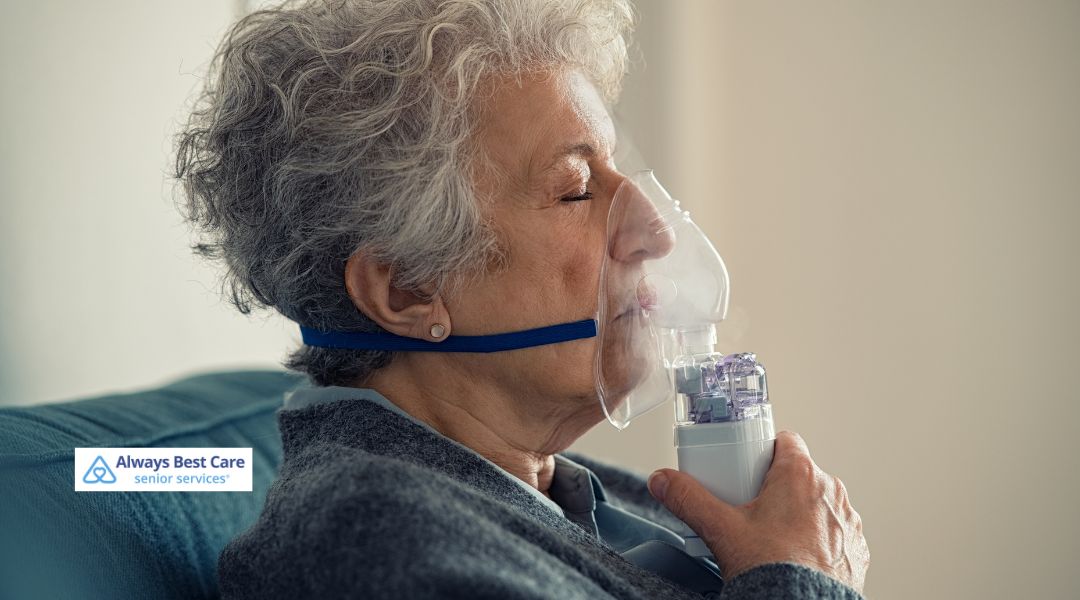
Your mom reaches for her inhaler, pauses, and asks, “Was I supposed to take this one now?”
You want to help, but the instructions seem less straightforward than they did at the appointment. Which inhaler is for daily use? Does she need a spacer? What happens if she misses a dose?
Questions about inhaler use and COPD in Alexandria deserve clear answers, not guesswork. COPD medicines come in different devices, and learning the correct technique with a healthcare professional is an important part of treatment.
Start with a conversation, bring the actual devices, and keep your loved one involved.
What you will learn:
- What to ask the care team about your loved one’s COPD inhalers and medication routines.
- How to seek guidance on inhaler technique, device suitability, and aftercare.
- How to prepare for symptom changes and recognize when emergency help is needed.
- Ways non-medical home care can support daily routines alongside prescribed treatment.
Table of Contents
What Is Each Inhaler Supposed to Do?
Separate Daily Treatment From Quick Relief
Ask the care team to explain each medicine’s purpose. Some COPD medicines are prescribed for regular symptom control, while others provide quick relief when symptoms occur. Knowing which is which helps families follow the treatment plan.
Write down the medication name, purpose, and prescribed directions. Don’t rely on “the blue one” or assume a new device works like the previous prescription.
Clarify Timing and Missed Doses
Before leaving the appointment, ask:
- When should each medicine be used?
- What should we do after a missed dose?
- What should we do if we’re unsure whether a dose was taken?
- When should increased quick-relief use prompt a call?
Request medication-specific answers. Don’t double a dose or add extra puffs unless the prescribed instructions say to do so.

Can You Watch Us Use This Device?
Ask for a Demonstration
Bring every current inhaler and accessory to the appointment or pharmacy consultation. Ask a qualified professional to demonstrate each device, then watch your loved one try it.
This isn’t a test anyone needs to pass. It’s a chance to catch confusing steps before they become habits. Review inhaler technique at follow-up visits and follow the instructions supplied with the specific device.
Don’t Treat All Inhalers Alike
Metered-dose and dry-powder inhalers require different techniques. For example, the breathing pattern used with one may not suit the other. Preparation and cleaning instructions also vary.
A familiar-looking device can still need unfamiliar steps. Ask for another demonstration whenever the prescription or device changes.
Does the Inhaler Fit Your Loved One’s Abilities?
Mention Everyday Difficulties
Tell the care team about trouble pressing the device, reading the counter, remembering steps, or coordinating breathing with use.
Rather than saying, “Dad isn’t trying,” describe what you’ve noticed: “He struggles to press the canister,” or “She loses track of the sequence.”
Ask whether the device remains appropriate and whether additional teaching or another prescribed option would help. Device selection belongs with the healthcare team, not trial and error at home.

Ask About a Spacer
A spacer or holding chamber may be recommended with certain metered-dose inhalers. It isn’t a universal accessory for every inhaler, so confirm compatibility and learn the correct technique before using one.
What Cleaning and Aftercare Are Needed?
Follow Device-Specific Instructions
Ask how to clean, dry, and store each inhaler and accessory. Don’t assume everything should be rinsed or soaked. Request written instructions that match the exact equipment.
Also ask how to read the dose counter, when to request a refill, and what to do if a device is damaged.
Check Whether Mouth Rinsing Applies
If the prescribed inhaler contains an inhaled corticosteroid, instructions commonly include rinsing the mouth with water and spitting it out afterward. Not every COPD inhaler contains a steroid, so check each medicine’s directions.

What Should We Do When Symptoms Change?
Get a Written Action Plan
Ask the care team to put the response plan in writing: which changes require a call, whom to contact after hours, and what to do if prescribed treatment isn’t helping.
Suddenly worsening breathlessness, cough, or changes in mucus can signal a flare-up and require prompt medical attention. Don’t assume every breathing problem is simply an inhaler-technique issue.
Know When to Call 911
Call 911 for severe difficulty breathing or talking, blue or gray lips or fingernails, reduced alertness, or recommended treatment that isn’t working. Don’t delay emergency help while trying to troubleshoot the device.
Where Does Non-Medical Home Care Fit?
Family support involves more than medication questions. Someone may need help getting ready for appointments, preparing meals, collecting groceries, or maintaining a manageable daily routine.
Always Best Care of Alexandria offers medication reminders, transportation, personal care, meal preparation, and companionship. These services can support everyday life alongside medical treatment.
Confirm the agreed service scope. Reminding someone about prescribed medicine is different from administering treatment, assessing inhaler technique, or changing doses.

Frequently Asked Questions
Q: Who can check COPD inhaler technique?
A: Ask the prescribing clinician, pharmacist, nurse, or respiratory therapist for a device-specific demonstration and an observed return demonstration. Review technique again at follow-up visits.
Q: Should every COPD inhaler be used with a spacer?
A: No. A spacer may suit certain metered-dose inhalers, but not all devices. Confirm compatibility with the care team.
Q: Should someone rinse their mouth after using an inhaler?
A: Rinsing and spitting is commonly instructed after inhaled corticosteroids. Follow the directions for each prescribed medicine.
Q: Can a non-medical caregiver change inhaler doses?
A: No. Treatment changes require healthcare guidance. Agree on the caregiver’s permitted assistance before services begin.
Clear Instructions Beat Guesswork
You don’t need to become an inhaler expert overnight. Bring questions, request demonstrations, and keep instructions accessible. Thoughtful support starts with knowing what to ask and when to seek help.
Contact Always Best Care of Alexandria at (703) 297-8804 to discuss personalized non-medical assistance for your loved one’s daily routines.
Link to the Markdown File version of the article