

Blood Sugar Warning Signs in Older Adults That Families Should Never Ignore in Longmont, CO
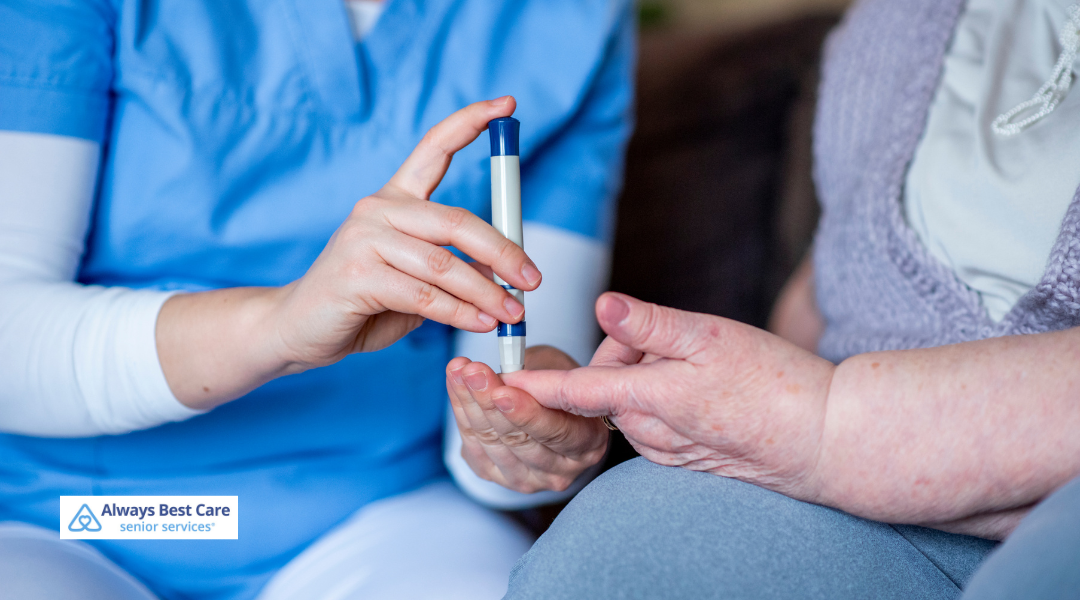
Blood sugar changes in older adults don’t always show up with flashing lights and sirens. Sometimes, it’s a quiet shift in mood, a little more confusion than usual, or a sudden loss of energy that makes us think, “Something’s off here.” In Longmont, many families are learning that paying attention to these subtle signs can help their loved ones stay safer, steadier, and more independent.
At Always Best Care of Longmont, we walk alongside families as they navigate diabetes, daily routines, and all the ups and downs that come with aging. We’re here to help you notice what’s normal, what’s not, and what deserves a closer look.
Table of Contents
What You Will Learn
- Why blood sugar can become harder to manage as older adults experience appetite changes, new medications, kidney-function shifts, reduced activity, memory concerns, mobility limitations, vision changes, or other health conditions.
- Common warning signs of low blood sugar, including shaking, sweating, dizziness, weakness, hunger, headaches, irritability, anxiety, confusion, trouble focusing, and poor coordination.
- Common signs of high blood sugar, such as increased thirst, frequent urination, blurred vision, ongoing fatigue, unexplained weight loss, headaches, and slow-healing cuts or scrapes.

Why Blood Sugar Can Be Harder to Manage with Age
As people grow older, managing blood sugar often gets trickier—not because they’ve “done something wrong,” but because life throws more curveballs.
Common changes that can affect blood sugar include:
- Less reliable appetite and taste
- Shifts in kidney function
- Slower movement or less daily activity
- Memory problems and forgetfulness
- New medications for other health concerns
A senior in Longmont might eat less when feeling under the weather, forget a meal or a pill, or sit more and move less. Each of these changes can quietly nudge blood sugar up or down, sometimes faster than anyone expects.
That’s why regular blood sugar checks and staying connected with a trusted doctor can make a big difference.

Recognizing Low Blood Sugar in Older Adults
Low blood sugar, often called hypoglycemia, happens when glucose levels drop below a healthy range. It can show up suddenly and doesn’t always look dramatic at first.
Possible signs of low blood sugar include:
- Shaking or sweating
- Dizziness or weakness
- Strong hunger
- Headache
- Irritability, nervousness, or anxiety
- Trouble focusing
- Confusion or “foggy” thinking
- Changes in balance or coordination
In older adults, these signs can be mistaken for “just getting older.” But if a loved one in Longmont suddenly seems confused, unusually weak, or is acting out of character, it’s worth taking seriously.
Severe low blood sugar can lead to seizures or passing out and needs immediate medical care. It’s not something to wait on or brush aside.

Recognizing High Blood Sugar in Older Adults
High blood sugar, or hyperglycemia, usually creeps in more slowly than low blood sugar. Because it builds over time, it’s easy to shrug off the early warning signs.
Common signs of high blood sugar include:
- Feeling very thirsty
- Needing to urinate more often
- Blurred or fuzzy vision
- Ongoing fatigue or weakness
- Headaches
- Unplanned weight loss
- Cuts or scrapes that heal slowly
If blood sugar stays high for a long stretch, it can harm the eyes, kidneys, nerves, heart, and blood vessels. Very high levels can also trigger dangerous problems quickly—major confusion, extreme weakness, trouble breathing, or passing out. Those are moments to seek emergency help.

Watching for Changes from Your Loved One’s Normal Routine
Families in Longmont don’t have to be medical experts to help keep diabetes safer. You just need to know what “normal” looks like for your loved one and pay attention when the pattern shifts.
Ask yourself:
- Is Mom more tired than usual, day after day?
- Is Dad suddenly drinking a lot more water and rushing to the bathroom?
- Has a usually sharp, alert loved one started seeming confused or unsteady out of the blue?
Those changes deserve a closer look instead of being dismissed as “just age.” If your loved one has diabetes, consider asking the doctor:
- What blood sugar range is best for them?
- How often should their blood sugar be checked?
- Which symptoms should lead to a call to the office?
- What signs should be treated as an emergency?
Being curious and staying involved can catch problems while they’re still small.

Consistent Routines Help Keep Blood Sugar Steadier
Steady daily habits can make diabetes feel less overwhelming. In Longmont, we often see that simple, predictable routines can ease stress for both seniors and families.
Helpful habits may include:
- Eating meals and snacks at roughly the same times each day
- Taking medications exactly as directed
- Checking blood sugar as the doctor recommends
- Drinking enough water
- Enjoying safe daily movement and gentle exercise
- Keeping up with regular doctor appointments
It’s also wise to share a full list of medications and supplements with the doctor. Even a small change—adding or stopping one pill—can affect how diabetes behaves.
When Memory or Mobility Problems Make Diabetes Care Harder in Longmont
Managing diabetes means juggling many moving parts: meals, medications, blood sugar checks, and appointments. As memory changes, that juggling act gets tougher. Missed doses, skipped meals, or forgotten checks can quickly create blood sugar swings.
Physical challenges can add another layer:
- Arthritis can make it painful to use test strips or cook.
- Vision changes can make it harder to read labels or see meter results.
- Tremors or shaky hands can make measuring and handling supplies difficult.
- Trouble walking or moving can turn getting to appointments into a major effort.
These signs often tell us that extra help at home could make life safer and less stressful—for the senior and the family.

How Always Best Care of Longmont Supports Safer Blood Sugar Routines
Living with diabetes is about the whole day, not just the numbers on a meter. That’s where we at Always Best Care of Longmont come in.
We help by:
- Preparing balanced, diabetes-friendly meals
- Offering gentle reminders for medications
- Encouraging enough water and safe activity
- Providing rides to and from doctor appointments
- Noticing and reporting changes in mood, energy, or behavior
For seniors who qualify for home health services, trained healthcare professionals can add an extra layer of support that follows the doctor’s care plan. Together, we help build routines that feel doable, not overwhelming.
Helping Your Loved One Stay Safe with Diabetes in Longmont
Blood sugar can swing quickly, and older adults might not always notice or explain what’s going on. By staying involved, knowing your loved one’s usual habits, and recognizing warning signs, families in Longmont can make a meaningful difference.
If someone you love has diabetes and life at home is starting to feel a bit wobbly, we at Always Best Care of Longmont are here to help. We work with families to support safer routines, stronger independence, and better quality of life.

FAQ: Blood Sugar Changes in Older Adults in Longmont
Q: What’s the biggest clue that blood sugar might be off in an older adult?
A: A sudden change from their usual behavior—like confusion, extreme tiredness, shaky hands, or drinking and urinating much more than normal—can be a strong clue that blood sugar needs to be checked.
Q: How often should seniors in Longmont check their blood sugar?
A: The best schedule depends on the person’s diabetes treatment and doctor’s advice. Some may need daily checks, while others test less often. Checking in with the doctor is the safest way to set a routine.
Q: Can skipping just one meal really affect blood sugar?
A: Yes, it can. Skipping a meal, especially while taking diabetes medications, may cause blood sugar to drop too low or swing unpredictably.
Q: What can families do every day to help?
A: Families can watch for changes, help keep meal and medication times consistent, encourage water and gentle movement, and speak up if something feels “off.”
Q: How do we know it’s time to get extra help at home?
A: If diabetes care starts slipping—missed pills, forgotten meals, unsafe blood sugar swings—or if memory and mobility challenges are growing, it may be time to consider support from us at Always Best Care of Longmont.

Support Safer Diabetes Routines at Home
Blood sugar changes in older adults in Longmont may start with small, easy-to-miss signals, but they can have big consequences if ignored. By learning the signs of high and low blood sugar, paying attention to everyday routines, and stepping in early, families can help their loved ones stay safer and more independent. And when those daily tasks feel like too much to manage alone, we at Always Best Care of Longmont are ready to lend a hand. Contact Always Best Care of Longmont at (720) 494-8407 to learn more and schedule your free consultation.
Link to the markdown version of this blog.