Wound Care at Home: When Is Skilled Nursing Needed in Longmont?
A small scrape may heal just fine with soap, water, and a bandage. But for older adults, wounds can get tricky fast, and that’s where skilled nursing may need to step in. At Always Best Care of Longmont, we help us and our families recognize the difference between everyday care and a wound that needs closer attention.
Table of Contents
What You Will Learn
- Why wound healing can become more complicated for older adults because of fragile skin, diabetes, circulation concerns, reduced mobility, chronic health conditions, medications, nutrition, hydration, and other factors that affect recovery.
- Which wounds may require clinical assessment or physician-directed skilled nursing, including post-surgical wounds, pressure injuries, diabetic foot ulcers, circulation-related wounds, recurring skin tears, burns, deeper cuts, and wounds that are not improving.
- Which warning signs should prompt a call to a healthcare provider, including increasing redness, warmth, swelling, pain, drainage, pus, odor, changes in wound color or depth, fever, chills, confusion, weakness, or a sudden decline in energy or overall condition.
Why Wound Care Can Get Complicated
As skin ages, it gets thinner and more fragile, so even a minor bump can turn into a bigger problem. Healing also tends to slow down, especially if a loved one has diabetes, poor circulation, limited movement, or other health concerns.
Food and fluids matter, too. If someone isn’t eating well or drinking enough, the body may have a harder time repairing itself. In short, what looks small on the surface can sometimes be a sneaky issue underneath.
When Skilled Nursing May Be Needed
Not every wound needs a nurse, but some do. Skilled nursing can be helpful for wounds that need careful watching, special cleaning, or dressing changes.
Common examples include:
- Surgical wounds that still need follow-up
- Pressure injuries or bedsores
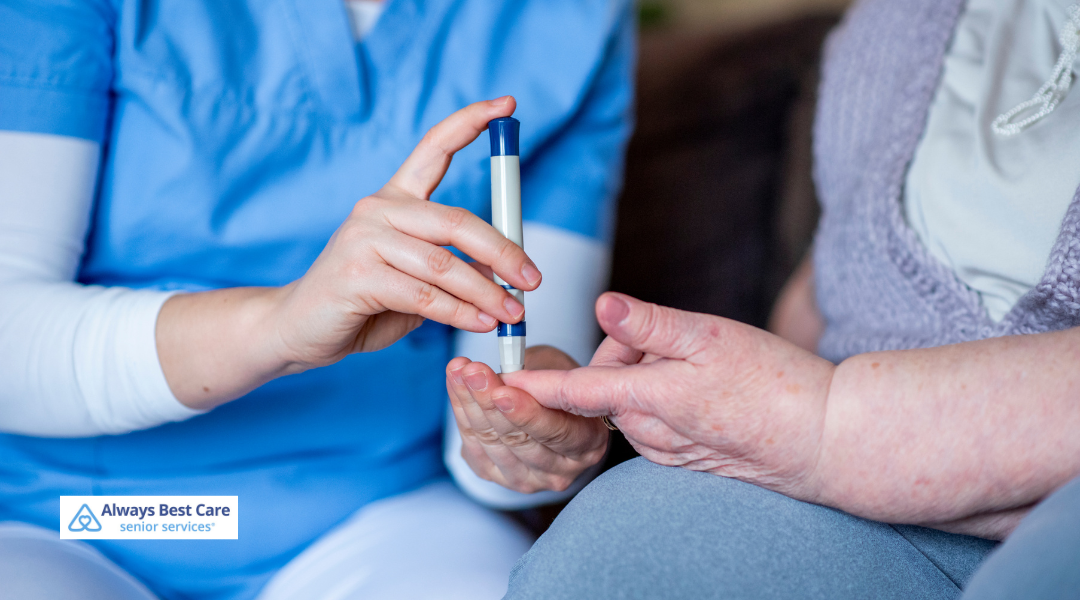
- Diabetic foot ulcers
- Wounds tied to poor blood flow
- Skin tears that keep reopening
- Burns or deeper cuts
- Chronic wounds that aren’t improving
If the wound keeps dragging on instead of healing, it’s time to get a professional involved.
Warning Signs a Wound Needs Medical Attention
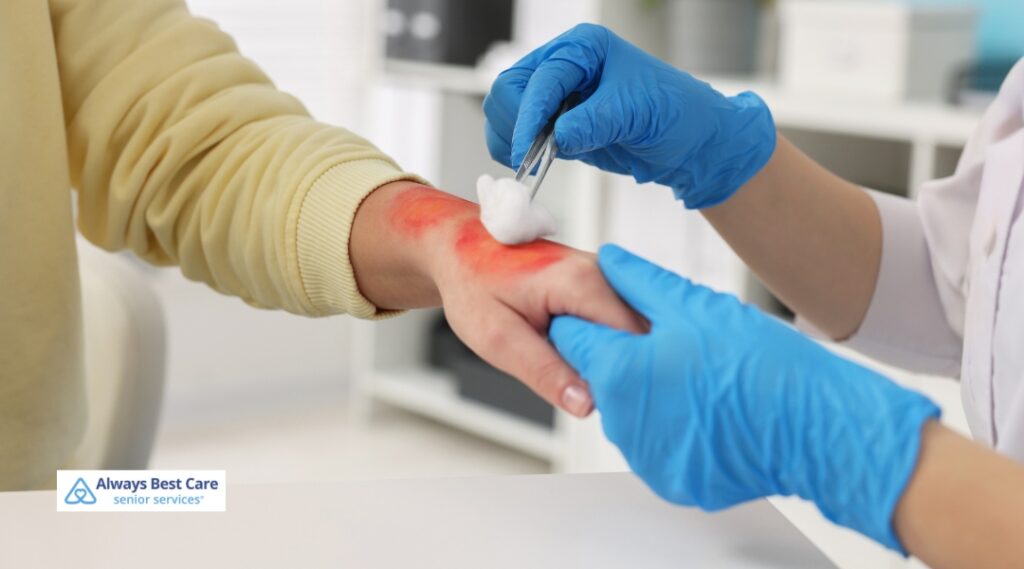
A wound that’s going the wrong way usually gives off clues. Keep an eye out for:
- More redness around the wound
- Swelling or warmth
- Increasing pain
- Drainage or pus
- A bad smell
- Skin that looks darker or different than before
Other red flags can be fever, chills, confusion, or a sudden change in energy. These signs can mean infection, and that’s not something to brush off.
What a Home Health Nurse May Do
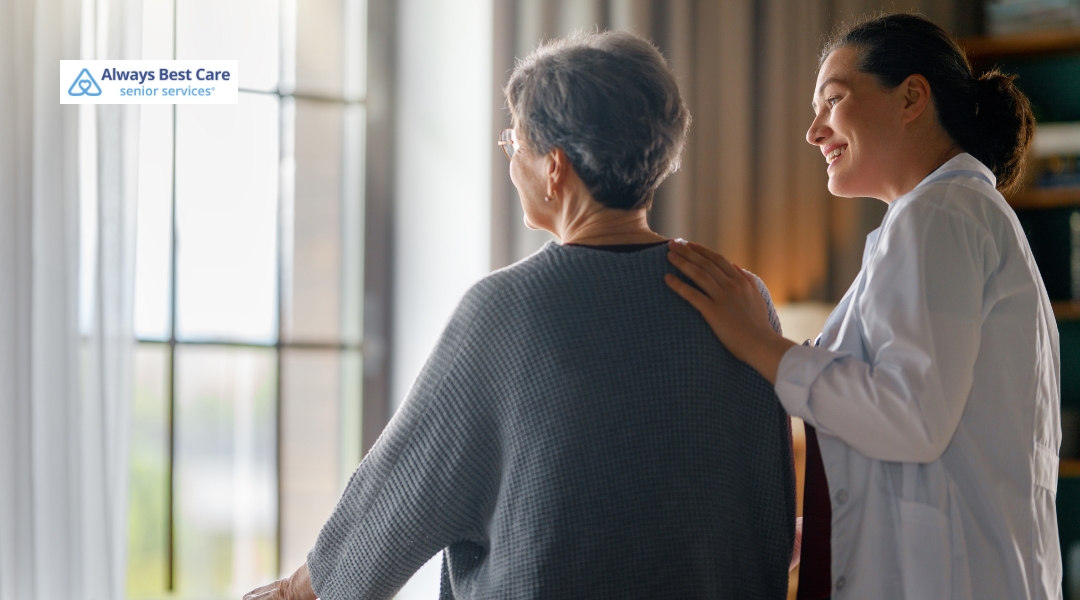
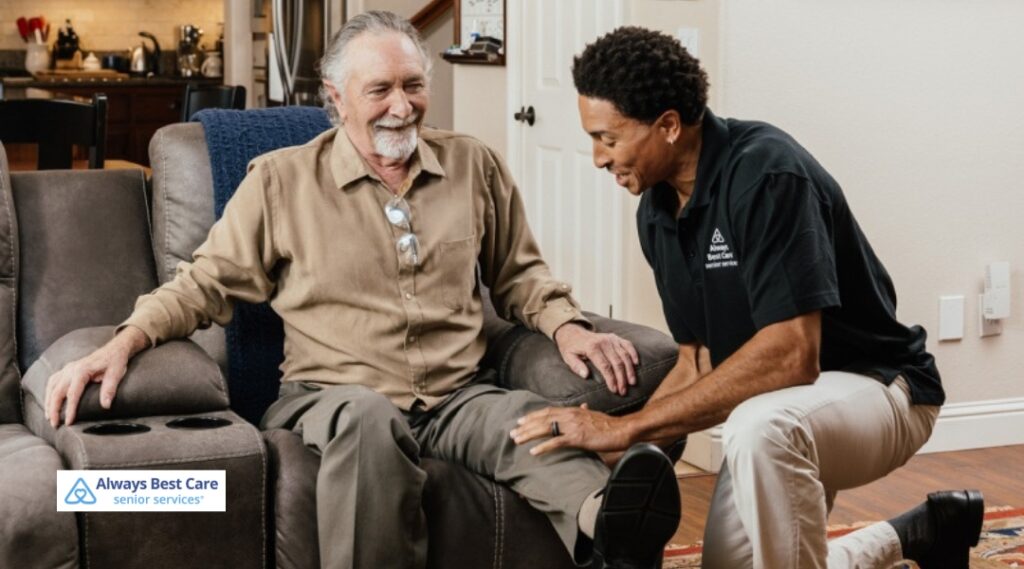
A home health nurse can handle the medical side of wound care right in the home. Based on a doctor’s instructions, the nurse may:
- Check the wound and track healing
- Clean the area
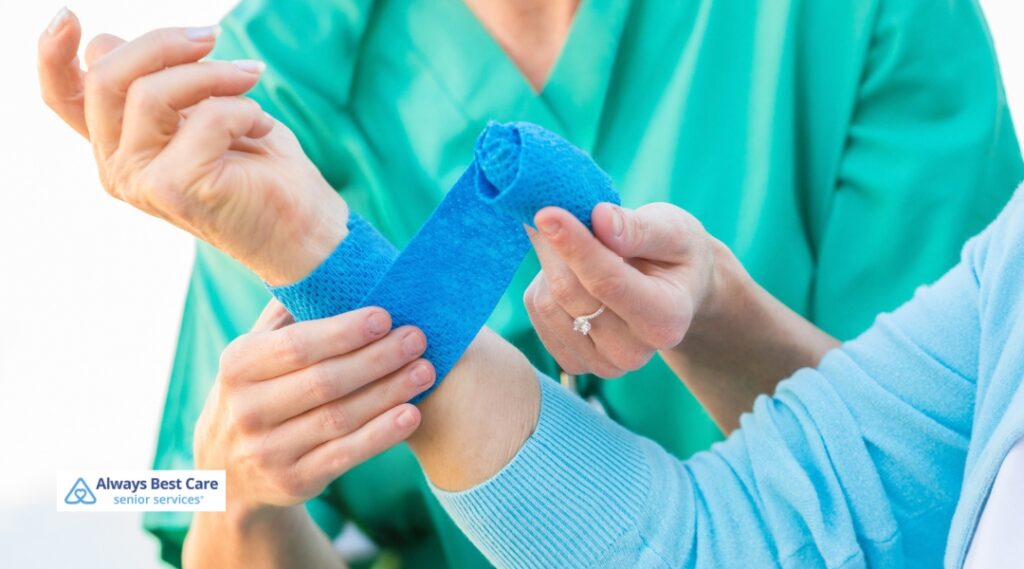
- Change dressings
- Watch for infection
- Teach family members what to look for
- Share updates with the care team
That extra support can bring real peace of mind, especially after surgery or a hospital stay.
Preventing Pressure Injuries at Home
For seniors who move less, prevention matters just as much as treatment. Staying in one position too long can create pressure injuries on areas like the heels, hips, elbows, and tailbone.
A few helpful habits include:
- Changing positions often
- Keeping skin clean and dry
- Using cushions or other pressure-relief supports
- Making sure meals and fluids are regular
- Checking skin daily for early changes
A little attention now can save a lot of trouble later. No kidding.
How In-Home Care and Home Health Can Work Together
Skilled nursing covers medical needs, but daily life doesn’t stop there. That’s where in-home care can lend a hand.
Caregivers can help with:
- Meals and snacks
- Bathing and dressing
- Light housekeeping
- Safe movement around the home
- Medication reminders
- Noticing changes in condition
Together, these services can make recovery smoother and less stressful for everyone involved.
Supporting Healing at Home in Longmont
Wound care at home can work well, but some situations call for more than a bandage and a watchful eye. If a wound needs medical attention, skilled nursing can help keep recovery on track without uprooting a loved one’s routine.
At Always Best Care of Longmont, we support older adults with care that fits real life. Depending on local services and your loved one’s needs, we may help connect families with skilled nursing and in-home support so recovery feels a little less overwhelming.
FAQ
Q: How do we know if a wound is serious?
A: If it’s redder, more painful, swollen, draining, or smelling bad, it may need medical attention. Fever, confusion, or a sudden decline are also warning signs.
Q: Can a nurse help with wound care at home?
A: Yes. A home health nurse can clean wounds, change dressings, watch healing, and report concerns to the care team.
Q: Are pressure injuries preventable?
A: Many of them are. Regular position changes, good skin care, and proper nutrition can lower the risk.
Q Do older adults heal more slowly?
A: Yes, healing often takes longer with age, especially if there are health issues like diabetes or poor circulation.
Q: Can in-home care help during wound recovery?
A: Absolutely. Caregivers can help with meals, bathing, mobility, reminders, and everyday support while healing is underway.
Support Safer Healing at Home
A wound that is worsening, slow to heal, repeatedly reopening, showing signs of infection, or making daily routines more difficult can become a serious concern for an older adult. Prompt medical guidance, a physician-directed care plan, and reliable help at home can give families more confidence while a loved one recovers.
Some wounds are simple. Others need a steadier hand and a sharper eye. If healing seems slow or the wound shows warning signs, skilled nursing may be the right next step for safer recovery at home. Contact Always Best Care of Longmont at (720) 494-8407 to learn more and schedule your free consultation.
Link to the markdown version of this blog.