

How to Spot and Prevent Senior Scams in Longmont, CO
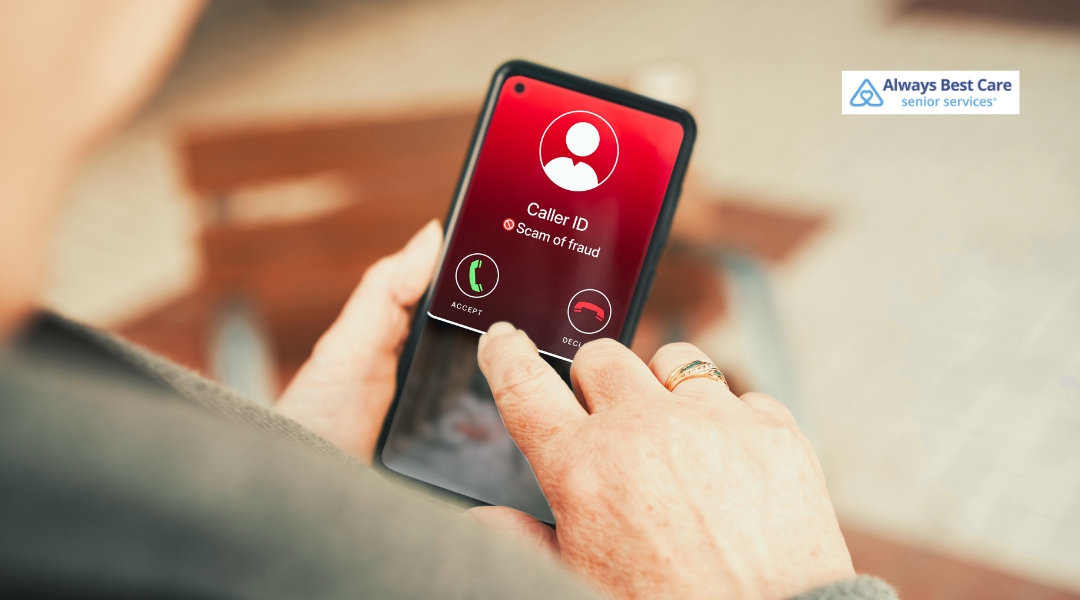
Scams targeting older adults aren’t just annoying phone calls anymore—they’re slick, believable, and heartbreakingly effective. Many older adults grew up in a world where a handshake meant something, strangers were polite, and “urgent” messages usually came from someone they actually knew. Now, that same trusting nature can be used against them.
We see it all the time in Longmont: clever scammers zero in on seniors who may be financially stable, living alone, or not totally comfortable with new technology. The result? Financial loss, shaken confidence, and deep emotional hurt.
The upside? Awareness changes everything. Once we know what to watch for and talk openly about it, we can shield our loved ones from most of these traps.
What You Will Learn:
- Why seniors are frequently targeted by scammers.
- The most common scams affecting older adults today.
- Key warning signs of fraud and financial exploitation.
- Practical steps families can take to prevent scams.

Table of Contents
Why Are Seniors Such Common Targets for Scams?
Scammers aren’t choosing targets at random; they’re playing the odds. Older adults are often singled out because they may:
- Be naturally trusting or polite with strangers, which makes it harder to simply hang up or say no.
- Have savings, retirement accounts, or steady income, making them attractive targets.
- Live alone or feel isolated, giving scammers more room to build fake relationships.
- Feel less confident with technology, making online and phone scams easier to pull off.
Put all that together, and it’s no surprise that scammers see seniors as “easier” to manipulate. But once we understand their game, it’s much easier to shut it down.
Common Types of Senior Scams in Longmont
Scammers are constantly changing tactics, but many of their tricks follow familiar patterns. Here are some of the most common ones we see affecting seniors.
Phone Scams
A classic, and still incredibly effective. A scammer might:
- Pretend to be a government agent, utility company, or bank representative.
- Claim a bill is overdue, a Social Security number is at risk, or a grandchild is in trouble.
- Use fear or urgency to push for immediate payment or private information.
If someone is rushing your loved one to act right now “or else,” that’s a major red flag.
Email and Phishing Scams
These scams often arrive as emails or text messages that look almost legitimate. They may:
- Appear to come from a bank, Medicare, a delivery service, or a familiar company.
- Ask the recipient to “verify” information or click a link.
- Lead to fake websites designed to steal passwords, account numbers, or other personal data.
One wrong click, and a scammer can be halfway into an account.
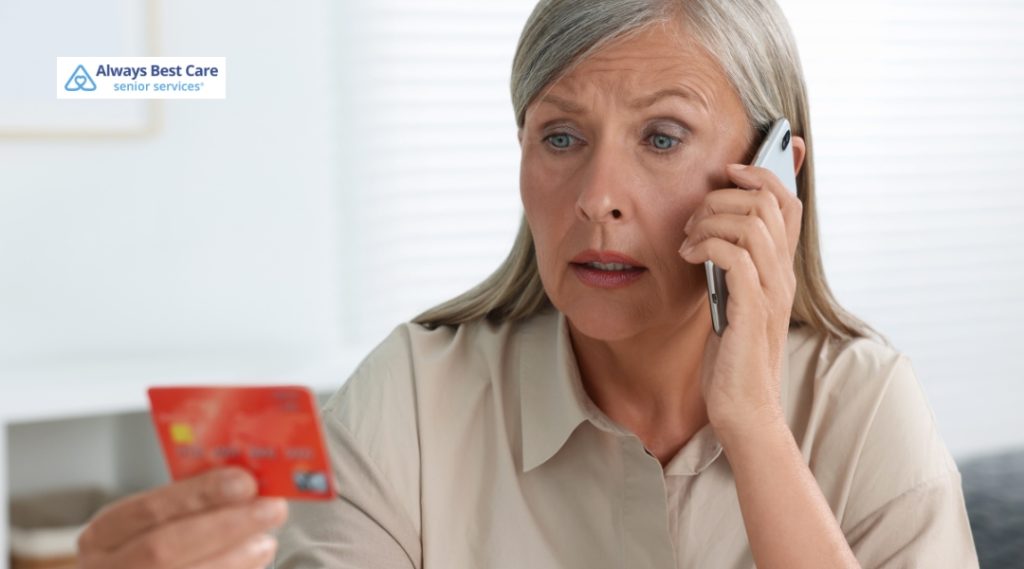
Sweepstakes and Lottery Scams
Here’s the hook: “You’ve won!”
Scammers tell seniors they’ve hit the jackpot—only there’s a catch. To collect the “prize,” the person must first pay:
- Taxes
- Processing fees
- Legal or handling costs
Of course, there’s no real prize waiting on the other side. Once money is sent, it’s usually gone for good.
Romance Scams
Loneliness is powerful, and scammers know it. Romance scams often begin on social media or dating sites:
- A scammer builds a slow, emotional connection over time.
- They share personal stories, send photos, and seem genuinely caring.
- Eventually, they ask for money—often for an “emergency,” medical bill, or travel expenses.
By the time the request comes, the emotional hook is already set.
Tech Support Scams
These often appear as:
- Pop-up messages claiming a virus or security issue.
- Unsolicited calls from someone claiming to be from a major tech company.
The scammer may:
- Ask for remote access to the computer.
- Request payment for unnecessary “repairs” or “security services.”
Once they’re in, they can install harmful programs or look for financial information.

Warning Signs of Senior Scams: What Should You Watch For?
Scams tend to follow patterns, even if the details change. Keep an eye out for:
- Demands for immediate payment or action – “Do this right now or you’ll lose everything.”
- Requests for unusual payment methods – Gift cards, wire transfers, or cryptocurrency.
- Unsolicited contact asking for personal information – Social Security numbers, account details, or passwords.
- Messages that stir up fear, shame, or panic – Anything designed to make someone react instead of think.
- Requests for secrecy – “Don’t tell your family; they’ll just worry.”
If something feels off, it usually is. Taking a breath and double-checking can stop a scam in its tracks.

How Families Can Help Protect Loved Ones in Longmont
Families are the first line of defense. A few simple habits go a long way:
- Talk openly about scams your loved one might encounter and how they typically work.
- Agree on a “verify first” rule for anything involving money, personal information, or pressure.
- Keep an eye on accounts for strange charges or withdrawals.
- Set up call blocking and email spam filters to cut down on risky contact.
- Encourage “phone a family member” before big financial decisions, especially if someone else is pressuring them.
Most importantly, keep conversations judgment-free. If seniors feel they’ll be scolded or embarrassed, they may stay quiet—exactly what scammers want.
The Role of In-Home Care in Scam Prevention
In-home care isn’t just about meals and medication reminders. A trusted caregiver can quietly add another layer of protection.
At Always Best Care of Longmont, we weave scam awareness into everyday support. We:
- Help screen phone calls and unexpected visitors, so suspicious requests get stopped early.
- Notice shifts in mood, spending, or worry, which can hint at a brewing scam.
- Offer steady companionship, reducing the loneliness that scammers often exploit.
- Encourage open communication with family, so concerns don’t stay hidden.
We see patterns over time, and that birds-eye view makes it easier to spot something that doesn’t quite add up.
What Should You Do If You Suspect a Scam?
If you think a loved one has been targeted—or may already be caught up in a scam—speed and compassion matter.
Key steps to take:
- Contact the bank or financial institution right away. Ask to freeze cards or accounts if needed.
- Report the scam to local law enforcement or adult protective services.
- Keep monitoring accounts for any new suspicious activity.
- Offer calm reassurance. Many seniors feel ashamed or foolish, even though the scammer is the only one at fault.
A kind, non-judgmental response makes it more likely that they’ll speak up quickly if something happens again.

FAQ
Q: What’s the biggest warning sign that my loved one might be caught in a scam?
A: Sudden secrecy, new “urgent” financial requests, or unexplained payments—especially by gift card or wire transfer—are major red flags.
Q: How can I talk about scams without scaring or offending my loved one?
A: Focus on partnership: “Scammers are getting trickier, so let’s have a plan together,” instead of “You could fall for this.”
Q: My loved one lives alone in Longmont. Can in-home caregivers really help prevent scams?
A: Yes. We at Always Best Care of Longmont can help screen calls, notice unusual patterns, and provide companionship, which makes it harder for scammers to wedge their way in.
Q: What if money has already been sent? Is it too late?
A: It may still be possible to limit the damage. Contact the bank or card company immediately and report the scam to local authorities.
Q: How often should we review scam safety with our loved one?
A: Regular, casual check-ins work best—bring it up every few weeks or whenever a new type of scam makes the news.

Help Your Loved One Stay Safe, Supported, and Protected
Scammers are getting smarter, but so are families. By watching for warning signs, talking openly, and building simple safety habits, we can make it much harder for anyone to take advantage of the seniors we love.
At Always Best Care of Longmont, we walk beside families in this effort. We provide not just hands-on care, but also awareness, companionship, and another set of eyes and ears focused on safety.
If someone you love in Longmont could use extra support, connection, and protection from scams, we’re ready to help you create a safer, more confident life at home. Contact Always Best Care of Longmont at (720) 494-8407 to learn more and schedule your free consultation.
Link to the markdown version of this blog.