

This website uses cookies so that we can provide you with the best user experience possible. Cookie information is stored in your browser and performs functions such as recognising you when you return to our website and helping our team to understand which sections of the website you find most interesting and useful.
Dedicated Senior Support across Hiawatha, IA for Safer Daily Living
Families often reach a point where daily tasks, safety concerns, memory changes, or caregiver burnout make it harder for a loved one to stay independent at home. When you need home-based senior care support for families in Hiawatha, IA, we help you sort through care options without pressure, confusion, or one-size-fits-all plans. Our goal is to help seniors keep familiar routines while giving family caregivers practical relief.
Free Care Coordinator consultations, expert-trained caregivers, extensive background checks, national care standards, technology-enabled support, veterans assistance, senior living referral guidance, and strong relationships with hospitals, social workers, and senior communities guide how Always Best Care of the Cedar Valley Inc. supports families. We listen first, build an individualized service plan, and help you understand the next step.

What Families in Hiawatha Face When Balancing Caregiver Burnout

Family Care Needs Can Outgrow Good Intentions
Many families in Hiawatha try to manage care alone until exhaustion, missed work, or safety worries become impossible to ignore. Always Best Care of the Cedar Valley Inc. helps families add professional support while preserving dignity, routines, and family connection. The right plan can reduce stress without taking loved ones out of familiar surroundings.
- Caregiver Relief: Planned support gives family caregivers dependable breaks before stress turns into burnout.
- Safer Routines: Daily assistance can reduce fall risks, missed meals, and confusion around personal care.
- Flexible Scheduling: Care can start with a few visits and expand as needs change.
- Family Communication: Clear updates help relatives stay aligned when responsibilities are shared across households.
- Independence Protection: Support at home helps seniors keep meaningful habits while receiving appropriate help.
Our Senior Care Services for Families and Seniors in Hiawatha, IA
We help Hiawatha families find the right level of non-medical care, specialty support, and respite relief. Each service focuses on safety, independence, and a practical outcome your family can feel day to day. Here is how our care options work.
In Home Care Services
This support is helpful when aging, illness, or recovery makes household routines harder to manage, especially for families in Hiawatha coordinating care around work and other responsibilities. We build flexible plans that may include personal support, companionship, meal help, and family relief, and our senior care at home options help loved ones stay safer with dependable assistance. The outcome is a steadier routine, less stress for relatives, and more confidence at home.


Personal Care Services
Personal care services help seniors with daily activities such as bathing, dressing, eating, and moving around safely. We provide support based on each senior’s needs, especially after an illness, injury, or changes in health. Our goal is to help seniors maintain their independence and dignity while giving families peace of mind.
24-Hour Care
24-hour care provides continuous support for seniors who need day and night supervision, helping reduce worry when needs are no longer limited to daytime hours. It can be useful after a health setback, during advanced memory changes, or when families need dependable coverage across changing routines.
Bathing, Grooming & Dressing
Bathing, grooming, and dressing support helps seniors maintain hygiene, comfort, and dignity while reducing fall risks during personal routines. Caregivers can adapt assistance to privacy preferences, mobility limits, and morning or evening schedules.
Cognitive Impairments
Cognitive impairment support helps seniors living with confusion, memory loss, or changing judgment follow safer daily routines. Caregivers can use reminders, calm redirection, and familiar patterns to reduce frustration and promote consistency.
Companionship
Companionship provides social interaction that helps reduce isolation and supports emotional well-being. Visits can include conversation, games, reading, walks, hobbies, or simply a reassuring presence during quiet parts of the day.
Errands & Transportation
Errands and transportation support helps seniors manage appointments, shopping, and essential outings without relying entirely on family schedules. Caregivers can assist with planning, safe transfers, and getting items organized once back home.
Escort to Activities
Escort to activities helps seniors stay engaged with meaningful social, wellness, or community events while having support nearby. This can include help getting ready, safe travel coordination, and assistance returning home comfortably.
Hospice Support / End-of-Life
Hospice support and end-of-life care assistance focuses on comfort, presence, and practical help for families during a sensitive time. Caregivers can help with personal care, family respite, and calm routines that support dignity.
Hospital to Home
Hospital-to-home support helps seniors transition safely after discharge, when weakness, new routines, or medication reminders can feel overwhelming. Caregivers can assist with meals, mobility, appointment preparation, and household tasks while recovery stabilizes.
Incontinence / Toileting
Incontinence and toileting support helps seniors stay clean, comfortable, and dignified while reducing skin irritation and accident-related stress. Assistance can be scheduled around regular routines or provided as needs change throughout the day.
Laundry Services
Laundry support helps keep clothing, bedding, and towels clean without placing strain on seniors or family caregivers. Caregivers can sort, wash, fold, and put items away to maintain a healthier home routine.
Light Housekeeping
Light housekeeping helps maintain safe, comfortable living spaces by addressing everyday tasks that can become difficult with age. Support may include tidying, dishes, wiping surfaces, changing linens, and reducing clutter that creates trip hazards.
Meal Preparation
Meal preparation helps seniors eat more consistently when shopping, cooking, or cleanup becomes tiring or unsafe. Caregivers can prepare simple meals, follow preferences, and encourage hydration during each visit.
Medication Reminders
Medication reminders help seniors follow their prescribed schedule without caregivers administering medicine directly. Support can include verbal prompts, routine tracking, and reminders to take medications with meals or water as directed.
Mobility
Mobility assistance supports safer movement around the home, including walking, transferring, and repositioning. Caregivers can provide steadying help, encourage proper use of assistive devices, and reduce risks during daily routines.
Nutrition Monitoring
Nutrition monitoring helps families notice changes in appetite, hydration, or eating patterns before they become bigger concerns. Caregivers can observe meals, encourage balanced choices, and communicate concerns to family contacts.
Overnight Care
Overnight care provides support during nighttime hours when falls, wandering, toileting needs, or anxiety may increase. Caregivers can offer reassurance, assist with safe movement, and help restore a calmer sleep routine.
Safety Supervision
Safety supervision helps reduce preventable risks for seniors who may forget hazards, move unsteadily, or need reminders. Support can include watching for unsafe situations, encouraging safer choices, and keeping families informed.
Technology Assistance
Technology assistance helps seniors use phones, tablets, video calls, reminders, and simple monitoring tools with less frustration. Caregivers can support daily communication, appointment reminders, and easier contact with family members.
Special Care Services
Seniors facing dementia, serious illness, recovery, or fall risks may need extra support with daily activities. Families in Hiawatha can benefit from personalized care that provides safety, comfort, and assistance with everyday routines. Our special care options for seniors help families feel confident that their loved ones receive the attention and support they need.

Cancer Care and Recovery
Cancer care and recovery support helps seniors manage fatigue, personal routines, meal needs, and comfort during treatment or recovery. Caregivers can provide practical help between appointments while families focus on encouragement and rest.
Dementia and Alzheimer’s Care
Dementia and Alzheimer’s care supports seniors with memory changes through structure, patience, and safety-focused routines. Caregivers can use familiar activities, redirection, and calm supervision to reduce distress and support family peace of mind.
End of Life Care
End of life care provides compassionate non-medical support that helps preserve comfort, dignity, and family presence. Caregivers can assist with personal care, quiet companionship, respite, and household needs during difficult days.
Fall Prevention
Fall prevention support focuses on reducing everyday hazards and encouraging safer movement for seniors at risk. Caregivers can help with transfers, pathway awareness, footwear reminders, and consistent observation during vulnerable routines.
In-Facility Care
In-facility care offers extra support for seniors already living in a care setting who may benefit from personalized attention. Caregivers can provide companionship, personal assistance, and family updates that complement facility services.
Neurological Disorders
Neurological disorder support helps seniors living with conditions that affect movement, speech, memory, or stamina. Caregivers can assist with routines, mobility, meals, and observation based on the family’s individualized care plan.
Palliative Care
Palliative care support focuses on comfort, quality of life, and practical help for seniors managing serious illness. Non-medical caregivers can assist with daily routines, companionship, and relief for family members.
Post-Hospitalization Care
Post-hospitalization care helps seniors regain steadier routines after discharge, when weakness and confusion can raise safety concerns. Our specialized senior support services can help families coordinate practical help during the recovery period.
Post-Surgical Care
Post-surgical care supports seniors after procedures when rest, safe movement, and routine help are important. Caregivers can assist with meals, light tasks, transportation planning, and comfort-focused daily support.
Ready, Set, Go Home
Ready, Set, Go Home support helps families prepare for discharge and the first days back home. Caregivers can help organize routines, reduce household strain, and support safer recovery after a hospital or rehab stay.
Rehabilitation
Rehabilitation support helps seniors follow daily routines around therapy schedules, mobility needs, nutrition, and rest. Caregivers can provide encouragement, transportation assistance, and practical help that keeps the home environment supportive.
Respite Care
Respite care gives family caregivers planned relief while a trained caregiver supports their loved one. This can help prevent exhaustion, protect family relationships, and keep care routines consistent.
Surgery Recovery
Surgery recovery support helps seniors manage everyday needs while healing limits movement, energy, or independence. Caregivers can help with meals, personal care, light housekeeping, and safe movement around the home.
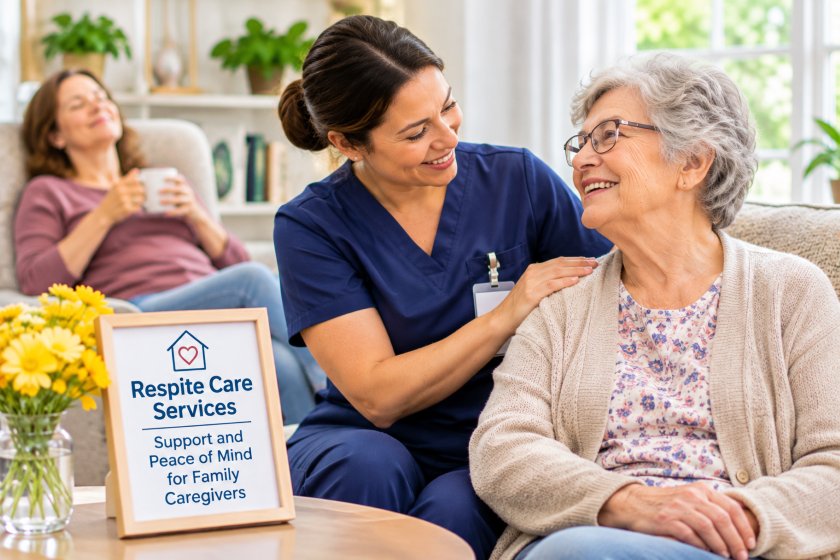
Respite Care Services
Respite care allows family caregivers to take a break while their loved ones receive the support they need. Families in Hiawatha, IA, can use this service to manage work, personal tasks, or other responsibilities. Our caregivers help maintain daily routines and provide reliable care while family members are away.
Transitional Care
Transitional care helps seniors move between hospital, rehab, facility, and home settings with more stability. Support can reduce confusion, help families understand routines, and keep practical needs covered during change.
Meal Preparation
Meal preparation for respite care helps your loved one maintain regular nutrition while you step away to rest or manage responsibilities. Caregivers can follow preferences, prepare easy meals, and leave the kitchen tidy for the next routine.
Professionally Trained Caregivers
Professionally trained caregivers provide dependable respite support so family members can take breaks with greater confidence. Their preparation helps them respond to daily needs, safety concerns, and changing comfort levels.
Companionship & Entertainment
Companionship and entertainment keep seniors socially engaged while family caregivers recharge. Activities may include conversation, puzzles, music, cards, reading, or familiar hobbies that make visits feel natural.
Dressing, Grooming & Bathing
Dressing, grooming, and bathing support helps seniors feel refreshed while reducing strain on family caregivers. Assistance can be adjusted for privacy, modesty, mobility, and preferred daily routines.
Medication Reminders
Medication reminders during respite visits help seniors stay on schedule while family caregivers are away. Caregivers can prompt at the right time and communicate concerns if routines are missed.
Assistance with Activities of Daily Living
Assistance with activities of daily living covers essential routines such as eating, dressing, toileting, transfers, and personal care. This support allows family caregivers to step back without leaving important needs unmet.
Laundry
Laundry support during respite care helps maintain clean clothing and bedding while families take needed time away. Caregivers can handle washing, folding, and putting items where they belong.
Light Housekeeping
Light housekeeping helps keep the home safer and more comfortable during caregiver breaks. Tasks may include dishes, tidying, wiping counters, changing linens, and reducing clutter around walkways.
24/7 Monitoring & Notification Services
24/7 monitoring and notification services add an extra layer of awareness for families who need ongoing reassurance. These tools can support timely updates when changes, alerts, or concerns require attention.
Post Procedure Monitoring
Post procedure monitoring helps seniors remain observed after outpatient care, minor procedures, or treatments that affect comfort and mobility. Caregivers can watch for changes, support rest, and communicate concerns to family contacts.
Transportation to Appointments or Events
Transportation to appointments or events helps seniors keep important commitments while family caregivers handle other obligations. Caregivers can assist with getting ready, safe travel, waiting, and returning home comfortably.
In-Home Safety Assessments
In-home safety assessments help identify everyday hazards that may contribute to falls or confusion. Recommendations may include clearer pathways, better lighting, safer routines, and practical changes families can make quickly.
Structured Activities for Seniors
Structured activities for seniors provide purpose, stimulation, and a calmer rhythm during respite visits. Caregivers can tailor activities to interests, energy level, memory needs, and physical ability.
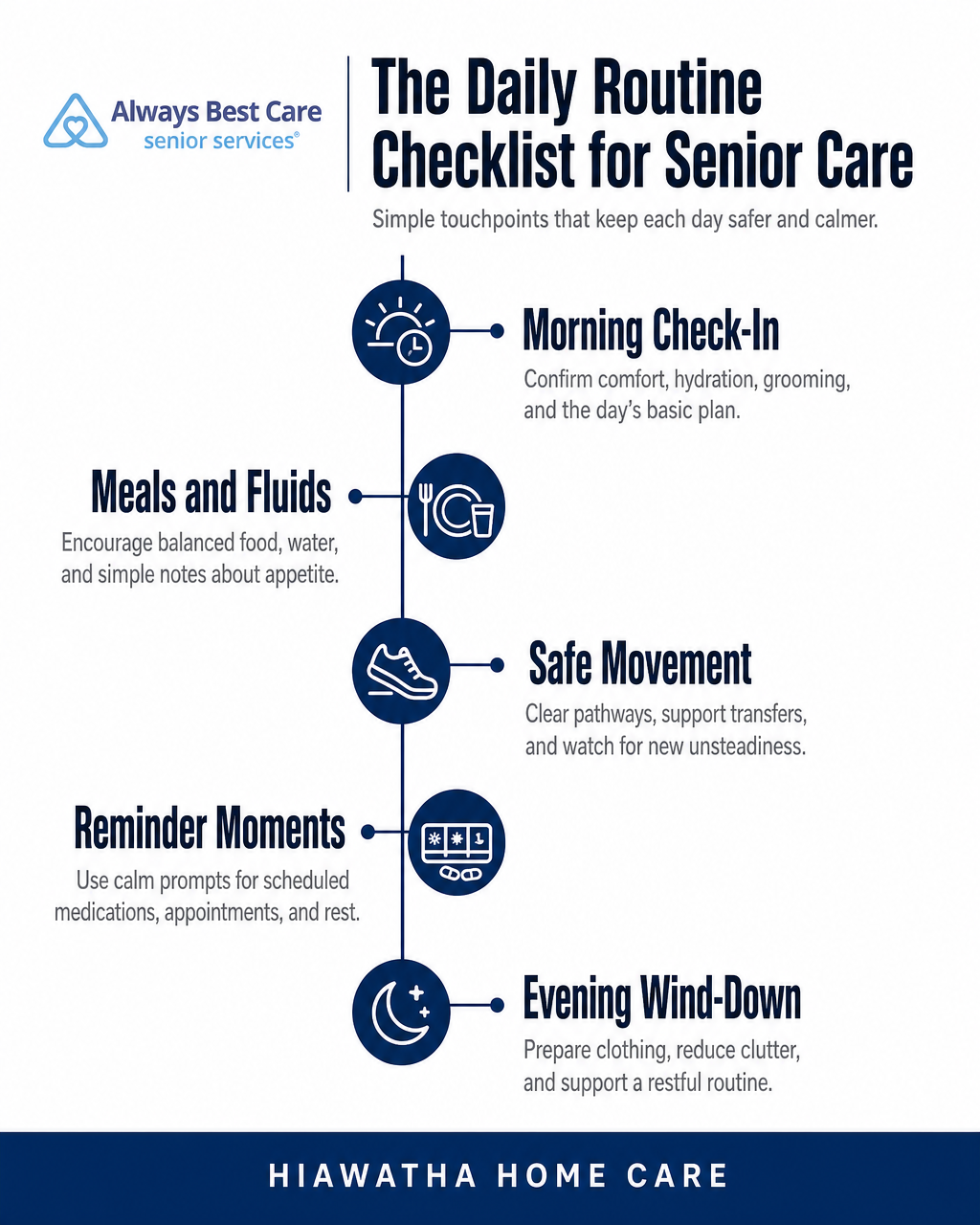
Why Choose Always Best Care of the Cedar Valley Inc. for Hiawatha Families
Free consultations, trained caregivers, extensive background checks, individualized service plans, veterans assistance, senior living referral services, and technology-enabled care shape how Always Best Care of the Cedar Valley Inc. serves Hiawatha families. We combine national standards with accessible, personal support.
Our Promise to Families in Hiawatha, IA
- Free Care Planning: Your family starts with a Care Coordinator consultation that turns concerns, routines, and goals into a practical plan for support without pressure.
- Caregiver Standards: Our caregivers complete expert training and extensive background checks, so your loved one receives help from people prepared for personal care, safety needs, and changing routines.
- Connected Local Support: Strong relationships with hospitals, social workers, and senior communities help us guide families through home care, senior living questions, and special care decisions.
Frequently Asked Questions about Hiawatha Home Care
How Do Hiawatha Families Know When Home Support is the Right Next Step?
Many families start considering support when everyday routines become stressful, unsafe, or inconsistent. Warning signs may include missed meals, falls, poor hygiene, loneliness, confusion, or caregiver exhaustion. A consultation can help you compare needs, schedule options, and realistic goals before committing to a plan. Families can also review practical aging well guidance as they think through independence, safety, and quality of life. The best timing is usually before a crisis, because early help can prevent burnout and make transitions feel calmer.
What Health Changes Should Hiawatha Seniors Discuss Before Starting Care?
Families should talk about changes in mobility, memory, nutrition, sleep, medication routines, mood, and recent hospital or emergency visits. These details help shape a safer care plan and clarify whether non-medical support is enough or whether clinical guidance is also needed. It helps to gather current diagnoses, provider instructions, and family concerns before the first conversation. Reviewing trusted senior health topics can also help relatives ask better questions. Clear information leads to care that fits the person, not just the task list.
How are Caregivers Selected for Hiawatha Families Who Need Help at Home?
Caregiver selection should consider the senior’s needs, personality, schedule, safety risks, and preferred routines. A thoughtful process looks beyond availability and focuses on matching skills, communication style, and comfort level. Families should ask about screening, training, supervision, backup coverage, and how concerns are handled after care begins. It can be useful to read more about home care provider standards when comparing options. The right match helps build trust, keeps routines consistent, and gives relatives more confidence.
Senior Support for Hiawatha, IA Your Family Can Count On
If your loved one needs safer routines, companionship, personal care, or relief for family caregivers, we are ready to help Hiawatha families take the next step with confidence. Always Best Care of the Cedar Valley Inc. brings free Care Coordinator consultations, individualized service plans, trained and background-checked caregivers, veterans assistance, senior living referral guidance, and technology-enabled care to Hiawatha households. For Hiawatha support that respects independence and dignity, reach out today.