

Post-Holiday Reflections: How to Recognize the Signs That Your Aging Parents Need Help in Charlotte, NC

The holidays are over, the decorations are boxed up, and life is settling back into its routine. Yet something’s been nagging at you since you got home. Maybe Mom seemed more tired than usual. Maybe Dad stopped driving once the sun dipped early behind the Charlotte skyline. Maybe the house didn’t feel quite as buttoned-up as it used to.
Those quiet observations often point to early signs parents need home care, especially after spending real time together. Winter and the post-holiday slowdown have a way of making everyday challenges more visible—and harder to ignore.
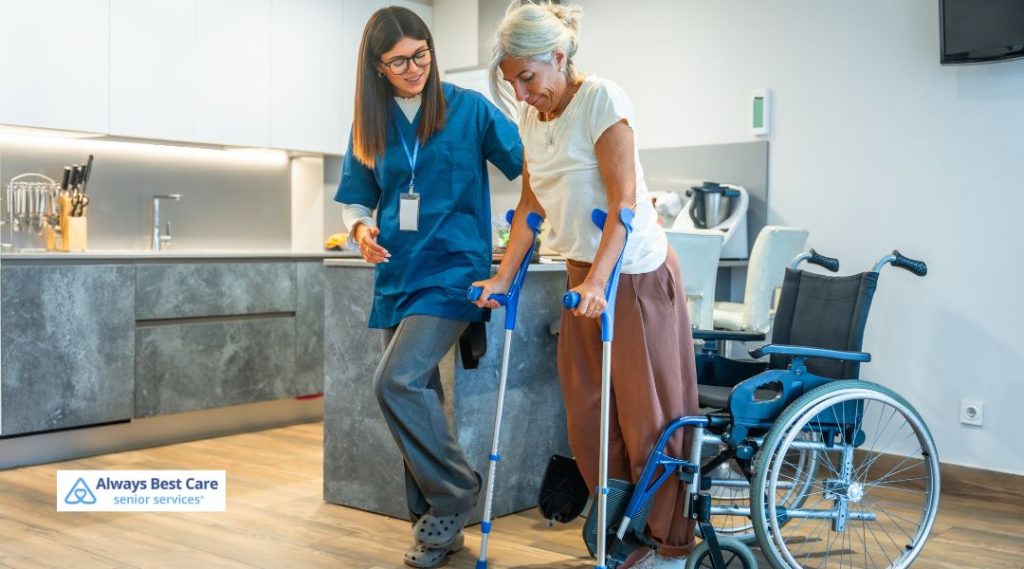
Table of Contents
Why Winter and Early Sunsets Change Everything
Winter in North Carolina doesn’t always bring snowstorms, but it does bring shorter days and early sunsets. For seniors, that shift can be a game-changer.
Driving after dark feels riskier. Errands get postponed. Social plans quietly fade. Over time, limited daylight can shrink routines and increase isolation. What once seemed manageable in summer suddenly feels exhausting in January.

Signs Parents Need Home Care You Might Notice After Visiting
Some changes are subtle. Others practically tap you on the shoulder. Paying attention now can prevent stress later.
Physical and Daily Routine Clues
- Slower movement or hesitation when standing
- Fatigue setting in earlier each day
- Difficulty keeping up with meals or laundry
- Wearing the same clothes more often
Memory and Organization Red Flags
- Missed medications or mixed-up pill boxes
- Repeated questions or forgotten conversations
- Confusion around appointments or bills
Household Signals That Matter
- Expired food lingering in the fridge
- Clutter creating tripping hazards
- Unopened mail stacking up
- Home maintenance falling behind
Together, these patterns often reveal signs parents need home care, even if your parent insists they’ve “got it handled.”
Emotional Changes After the Holidays
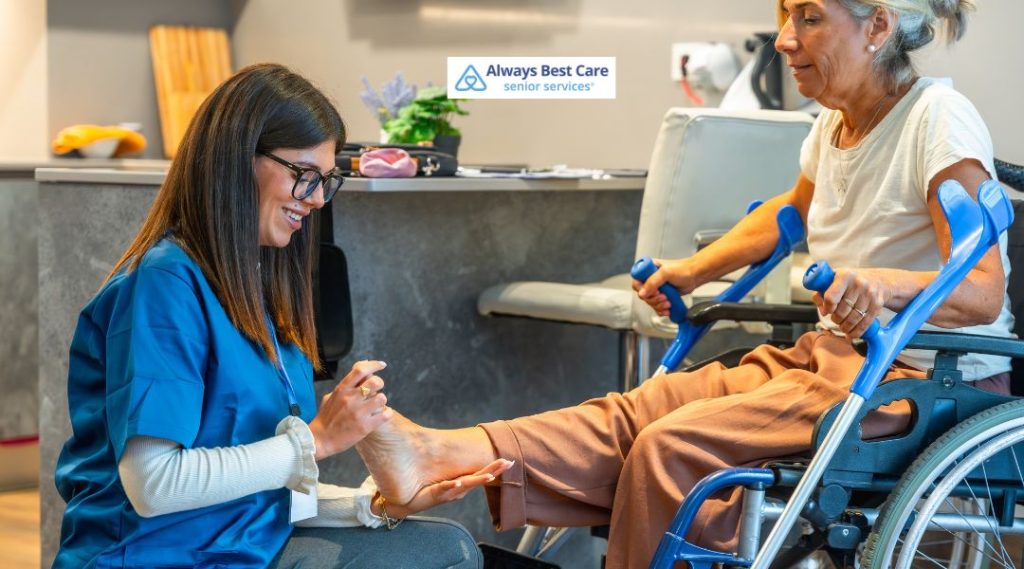
Once the holiday bustle fades, the quiet can feel louder. Seniors may withdraw, seem less motivated, or lose interest in activities they once enjoyed. Combined with winter’s shorter days, emotional well-being can take a hit.
Companionship and routine matter just as much as physical support during this season.
The Role of an Aging in Place Assessment NC Families Rely On
An aging in place assessment NC families choose offers clarity without pressure. It evaluates how safely a senior can live at home, looking at mobility, daily routines, home layout, and overall well-being.
Think of it as a practical snapshot. It highlights what’s working, what’s risky, and where support could help maintain independence while reducing the chance of accidents or stress.
Why Parents Often Downplay Their Struggles
Here’s the tricky part—many parents don’t want help. Pride plays a role. Fear of losing independence plays another. And no one wants to feel like a burden.
But support doesn’t mean giving up control. In many cases, it means staying independent longer, with a little backup when needed.
How to Start the Conversation Without Making It Awkward
This doesn’t have to be a dramatic sit-down. Start small. Share what you noticed, not what you think should happen.
Saying, “I noticed it seemed harder to get out after dark, and I wanted to check in,” keeps the conversation grounded and respectful. From there, solutions feel more like teamwork than takeover.

When It’s Time to Search for Home Care Services Near Me
Once concerns keep popping up, many families find themselves typing home care services near me into a search bar—often late at night.
In-home care can help with:
- Personal care and daily routines
- Meal preparation and light housekeeping
- Medication reminders
- Companionship and supervision
For families in Charlotte, in-home care means support comes to the home, not the other way around.
How Always Best Care of Charlotte Supports Local Families
Always Best Care of Charlotte understands that recognizing the signs parents need home care can feel emotional and overwhelming. Their approach focuses on personalized, flexible support that fits real lives.
From aging in place assessments to tailored in-home care services, families receive guidance that respects dignity while prioritizing safety and comfort.

FAQs About Signs Parents Need Home Care
Q: What are the most common signs parents need home care?
A: Common signs include difficulty with daily tasks, memory lapses, changes in hygiene, household neglect, and increased fatigue.
Q: How do early sunsets affect seniors in winter?
A: Shorter daylight hours can limit driving, errands, and social interaction, increasing isolation and safety concerns.
Q: What is an aging in place assessment in NC?
A: An aging in place assessment in NC evaluates whether a senior can safely remain at home and identifies areas where support may help.
Q: When should I look for home care services near me?
A: If concerns feel consistent or safety seems uncertain, it may be time to explore in-home care options.
Q: Can home care help seniors stay independent?
A: Yes. The right support often helps seniors remain safely at home longer while easing stress for families.

Turning Post-Holiday Awareness Into Action
Holiday visits have a way of revealing truths that phone calls can’t. Noticing the signs parents need home care isn’t about taking something away—it’s about adding support where it counts.
By paying attention after the holidays, considering an aging in place assessment NC families trust, and exploring home care services near me, families in Charlotte can take thoughtful steps that protect comfort, safety, and independence.
Sometimes, the most caring move is simply choosing help before a crisis ever shows up. Contact Always Best Care of Charlotte at (336) 270-4352 to learn more and schedule your free consultation.