
From Loss to Strength: How Physical Therapy Helps Charlotte Stroke Survivors Regain Mobility
After a stroke, familiar movements can become unexpectedly difficult. Standing from a chair, walking to the kitchen, or getting out of bed may require more time, effort, and assistance than before.
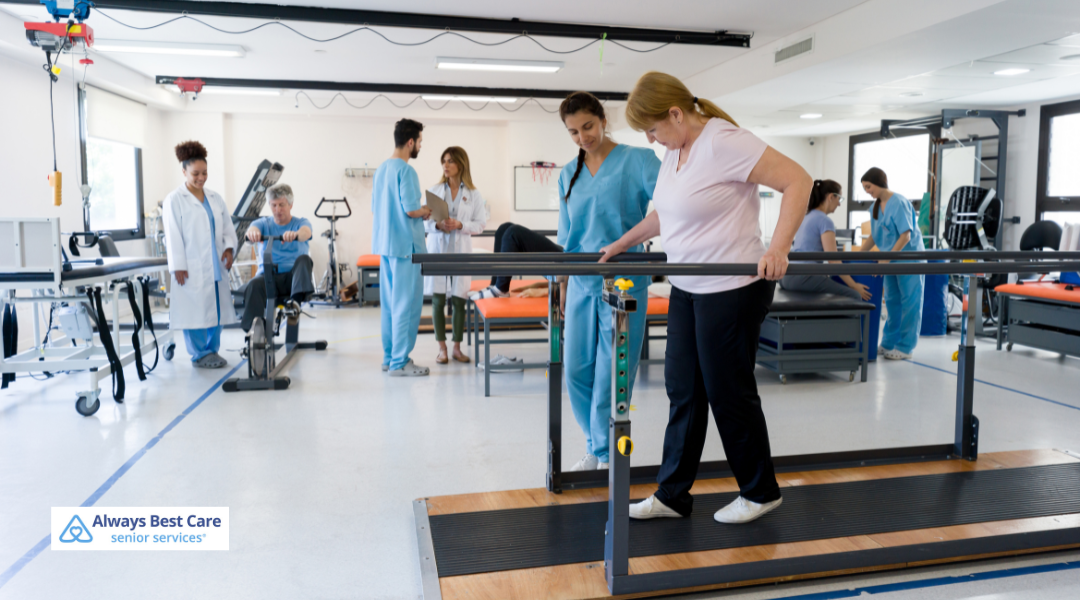
Physical therapy helps survivors work on the movement, balance, and coordination skills that support everyday life. A therapist assesses the person’s abilities and creates a plan around individual needs, from sitting upright to walking with appropriate assistance.
For Charlotte seniors and their families, the goal is greater independence—not necessarily performing every activity exactly as it was done before the stroke. Rehabilitation works to restore function and teach useful ways to manage remaining limitations.
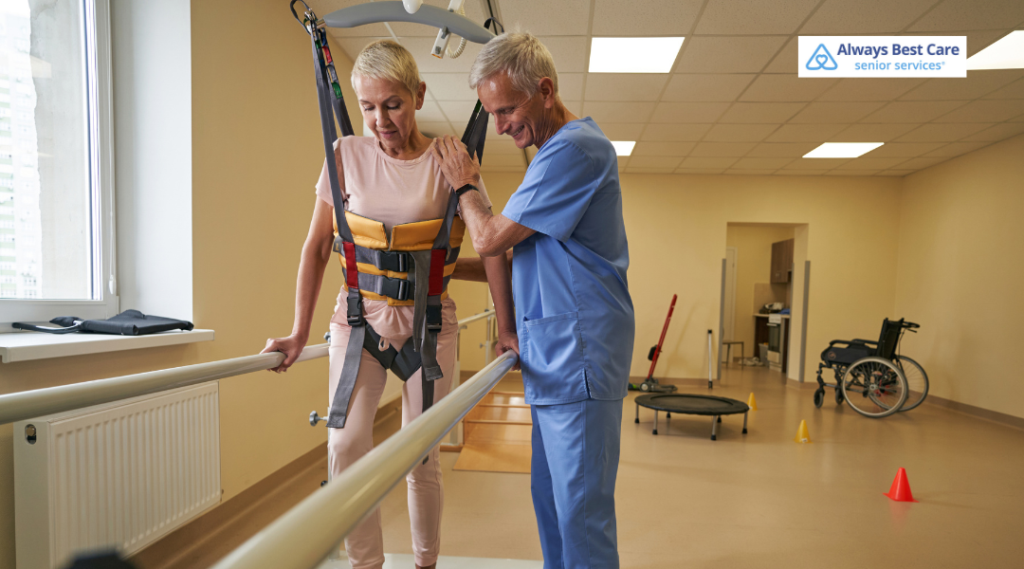
Table of Contents
Why Physical Therapy Is Personalized
No two stroke survivors have the same rehabilitation needs. One person may need help controlling a weakened leg, while another may be working on standing balance, endurance, or moving between a bed and chair.
Physical therapists evaluate movement difficulties and use that information to guide treatment. Depending on the survivor’s needs, therapy may include:
- Strength-building exercises
- Range-of-motion activities
- Sitting and standing balance practice
- Coordination exercises
- Walking practice
- Bed mobility and transfers
- Training with prescribed mobility equipment
These activities address specific limitations rather than following a single exercise routine for everyone.
Families can help by sharing the activities that matter most to their loved one. Being able to reach the bathroom, sit comfortably at the dinner table, or move safely through the living room can give rehabilitation a practical focus.
Build Strength for Everyday Tasks
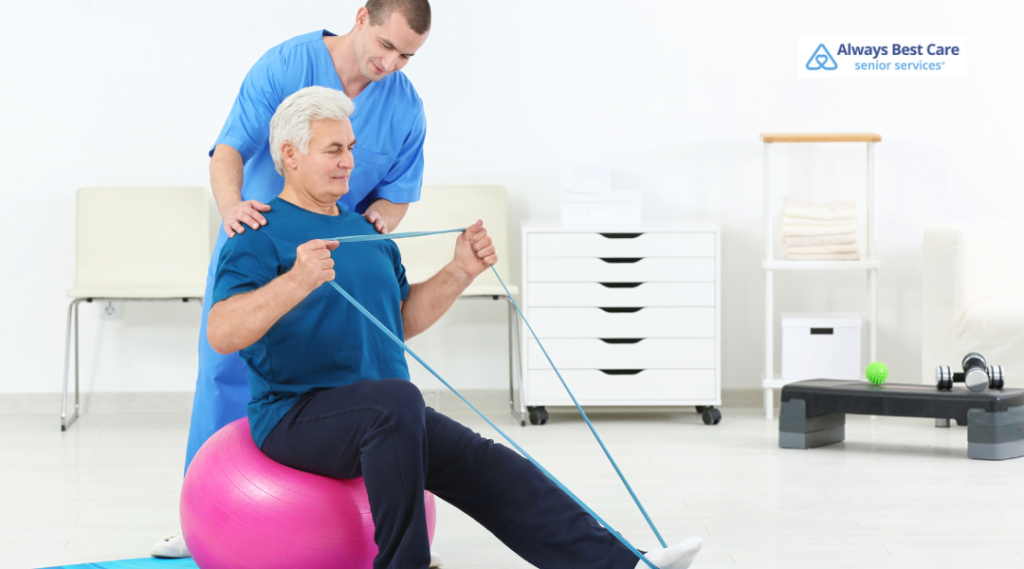
Strength-building after a stroke is about more than exercising a muscle. It supports movements that a survivor uses throughout the day.
A therapist may help someone practice sitting up, moving from a bed to a chair, standing, or walking. Range-of-motion activities may also be used to improve mobility in affected limbs. The appropriate exercise and level of assistance depend on the person’s abilities.
Ask the therapist how each activity connects to a daily goal. Understanding that connection can make the plan easier to follow and help families recognize improvements that might otherwise seem small.
Improve Balance and Confidence With Movement
Balance affects standing, turning, reaching, and walking. When balance changes after a stroke, a person may feel less confident moving around—even in familiar surroundings.
Physical therapy can help improve balance and confidence while addressing fall risk. Practice is tailored to the survivor’s needs and may involve learning safer movement strategies or using recommended equipment.
Families should ask the therapist:
- Which movements are safe to practice at home?
- Does the survivor need supervision or hands-on assistance?
- What equipment should be used?
- Which activities should wait until the therapist reassesses them?
- What should we do if balance or mobility changes?
A successful movement during a therapy session does not automatically mean it is safe to attempt alone at home. Clear instructions help everyone understand the current assistance plan.

Practice Walking and Transfers
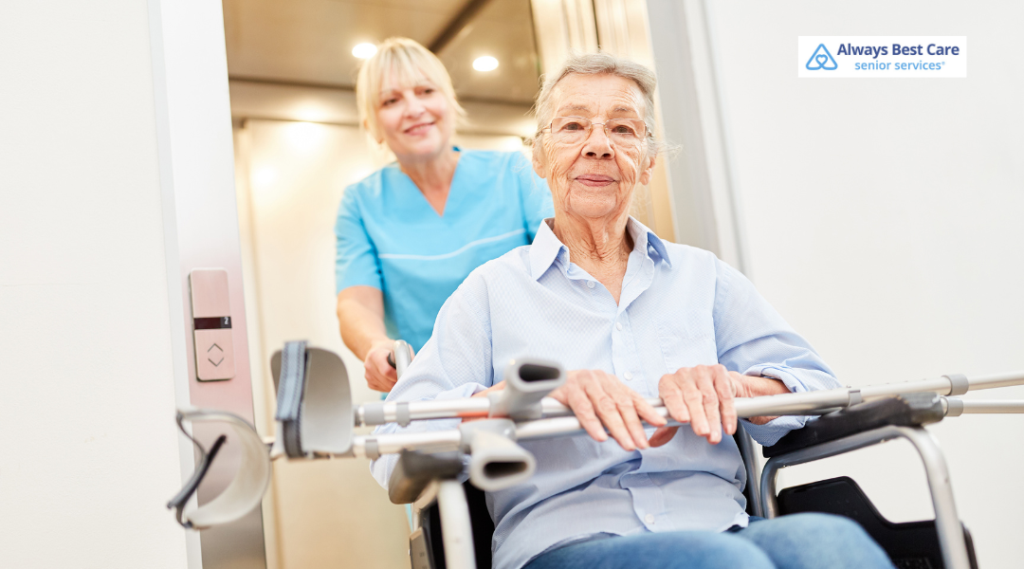
Walking is an important goal for many survivors, but mobility includes more than walking independently. Rehabilitation may also focus on moving between a chair and bed or safely propelling a wheelchair.
Transfers—the movements between surfaces—can be especially important for everyday routines. Getting out of bed, standing from a chair, or moving to a wheelchair may require guided practice and assistance. Physical therapists can help survivors relearn these skills.
Before helping with transfers, family caregivers should ask the rehabilitation team to demonstrate the recommended technique and explain the equipment and assistance required. Do not improvise lifting methods or attempt a task that the team has identified as unsafe.
Support the Home Exercise Plan Without Taking Over
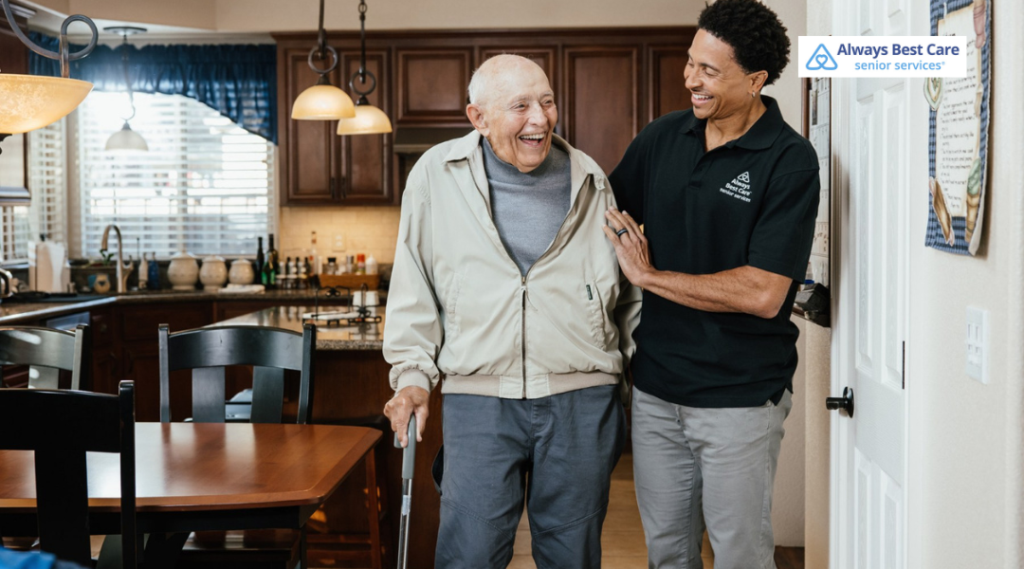
Practice outside therapy sessions can support recovery. The therapist may prescribe activities the survivor can complete independently or with appropriate help from family or other caregivers.
Families can make that practice easier by:
- Keeping the therapist’s written instructions accessible
- Preparing a suitable space for approved activities
- Helping establish a consistent routine
- Providing only the assistance recommended
- Keeping prescribed equipment available
- Allowing time for breaks
- Sharing questions and concerns with the therapist
Speak with the healthcare provider or physical therapist before adding exercises or changing the plan. Stroke exercise guidance recommends starting gradually, using a comfortable pace, and avoiding overexertion.
Encouragement should not become pressure to complete more repetitions, use less assistance, or progress faster than the care team recommends.
Recognize Progress Without Expecting Perfection
Progress may involve a movement becoming easier, a task requiring less assistance, or a survivor feeling more comfortable using a mobility aid.
Families can focus on practical questions:
- Is getting out of bed more manageable?
- Does standing feel steadier?
- Is the prescribed walking routine becoming easier?
- Can our loved one participate more comfortably in a daily activity?
Rehabilitation aims to restore as much independence as possible, but it does not reverse every effect of a stroke. Goals should remain realistic and individualized.
Supportive phrases can keep the focus on effort and safety:
- “Let’s use the steps your therapist showed us.”
- “Would you like a break before continuing?”
- “We can ask about the part that still feels difficult.”
- “That task seemed more comfortable today.”
The purpose is to help your loved one participate—not to judge how quickly recovery is happening.

Make Home Support Part of the Rehabilitation Plan
Families often balance therapy appointments with meals, transportation, household responsibilities, and personal care. Practical help can make it easier to maintain the daily routine around rehabilitation.
Before involving a home care provider, clarify the survivor’s needs with the rehabilitation team. Explain any walking, transfer, or supervision requirements, and ask what assistance a caregiver should be trained to provide.
Physical therapy remains clinical treatment delivered by licensed professionals. Family members and non-medical caregivers can reinforce approved routines, but they should not independently design exercises or change the rehabilitation plan.
Charlotte Rehabilitation Resources
Atrium Health Carolinas Rehabilitation provides stroke rehabilitation, including outpatient therapy across the Charlotte area. Its care team includes physical therapists who help survivors rebuild strength and balance for safer walking, along with occupational, speech, and recreational therapy services.
Families can ask the treating team which setting and services are appropriate after discharge. To explore Atrium Health’s outpatient rehabilitation options, call 980-402-1970 and confirm referral requirements, available services, and location details.
How Always Best Care of Charlotte Can Help
Contact Always Best Care of Charlotte to discuss available non-medical in-home services that can complement your loved one’s recovery plan.
Depending on local services and the individualized care arrangement, support may include companionship, transportation to appointments, meal preparation, light housekeeping, personal-care assistance, and help maintaining daily routines.
Share any mobility, transfer, or supervision needs before arranging care so the team can determine what assistance it can safely provide. Any support with therapist-approved activities should remain within the caregiver’s training, service scope, and the rehabilitation team’s instructions.
Home care does not replace physical therapy. It can help families organize practical support around the treatment plan.
FAQ
Q: Can physical therapy help a stroke survivor walk again?
A: Physical therapy can help address movement, strength, balance, and coordination. Some survivors work toward walking independently, while others practice walking with assistance or improve other forms of mobility. Goals and outcomes vary by individual.
Q: What does a physical therapist work on besides walking?
A: Treatment may include sitting balance, standing, range of motion, bed mobility, and transfers between surfaces. These skills support everyday activities and can be important rehabilitation goals in their own right.
Q: Should families use stroke exercises found online?
A: Ask the healthcare provider or physical therapist first. General exercises are not a substitute for an individualized plan, particularly when mobility is limited or assistance is needed.
Q: How can we help without pushing too hard?
A: Follow the prescribed routine, use a comfortable pace, make room for breaks, and ask the therapist when to adjust an activity. Do not increase the difficulty simply because a session goes well.
Q: Where can Charlotte seniors access stroke rehabilitation?
A: Atrium Health Carolinas Rehabilitation offers stroke rehabilitation and outpatient therapy across the Charlotte area. Families should confirm the appropriate services and referral requirements with the provider and treating team.
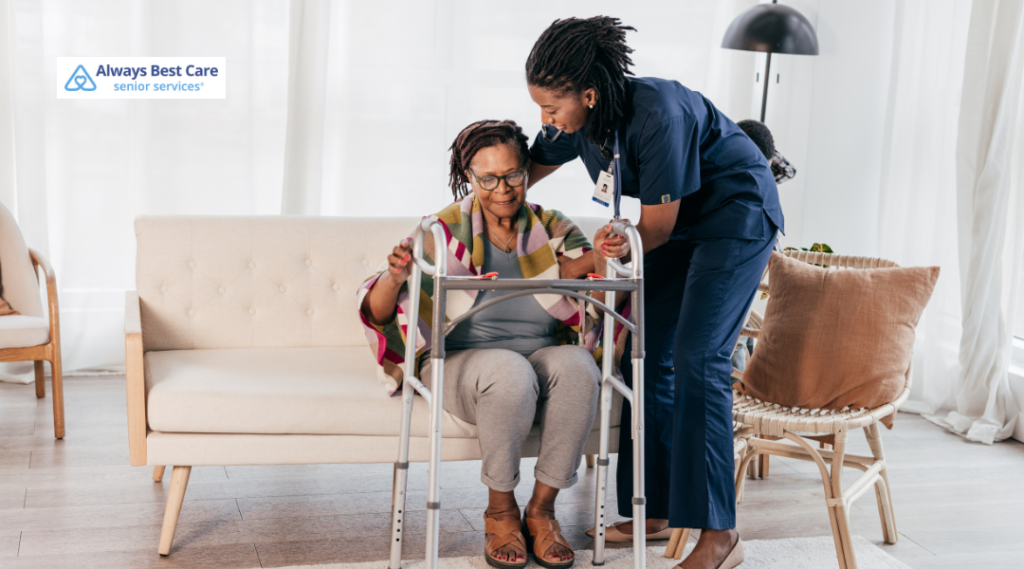
Support the Next Meaningful Step
Regaining mobility after a stroke involves individualized treatment, safe practice, and patient encouragement. Everyday goals—from standing more steadily to moving comfortably between rooms—can give recovery a meaningful direction.
Ask the rehabilitation team how to support therapy safely at home, then contact Always Best Care of Charlotte to discuss practical in-home assistance that complements your loved one’s plan and gives family caregivers needed support. Contact Always Best Care of Charlotte at (336) 270-4352 to learn more and schedule your free consultation.
Link to the markdown version of this blog.