
Simple Everyday Habits to Help Seniors in Cypress, TX Prevent Stroke
Every 40 seconds, someone in the United States has a stroke. For older adults, the consequences can be severe — affecting mobility, speech, memory, and the ability to live independently. The good news is that up to 80% of strokes are preventable. With the right habits and consistent care, seniors in Cypress, TX can take meaningful steps to protect their brain health and maintain their quality of life.
What You Will Learn:
- Why stroke risk rises with age and how simple habits can prevent serious complications.
- Healthy lifestyle steps seniors can take — including managing blood pressure, diabetes, and cholesterol.
- How nutrition, exercise, and stress management all play a role in protecting brain and heart health.
- The crucial role caregivers play in supporting seniors with stroke prevention and healthy routines at home.

Table of Contents
Why Stroke Risk Rises with Age
Aging naturally changes the cardiovascular system. Blood vessels become less flexible, blood pressure tends to rise, and the heart may not pump as efficiently as it once did. These changes, combined with conditions like diabetes, high cholesterol, and atrial fibrillation, create a higher-risk environment for stroke.
What makes stroke particularly dangerous is how quickly it strikes. Symptoms appear without warning, which is why prevention — not reaction — is the most powerful tool available to seniors and their families.
Control Blood Pressure Before It Controls You
High blood pressure is the single most significant risk factor for stroke. When pressure in the arteries stays elevated, it gradually weakens blood vessel walls, increasing the risk of rupture or blockage in the brain.
For seniors, keeping blood pressure in a healthy range requires more than just medication. It involves daily habits:
- Monitor consistently — Check blood pressure at home and track trends over time
- Reduce sodium — Aim for less than 1,500 mg per day, a guideline especially relevant for older adults
- Stay active — Even 30 minutes of moderate movement most days can lower blood pressure meaningfully
- Manage stress — Chronic stress contributes to elevated pressure; relaxation techniques and social connection help
- Take medications as prescribed — Never skip doses or adjust without consulting a physician
Keep Blood Sugar in Check
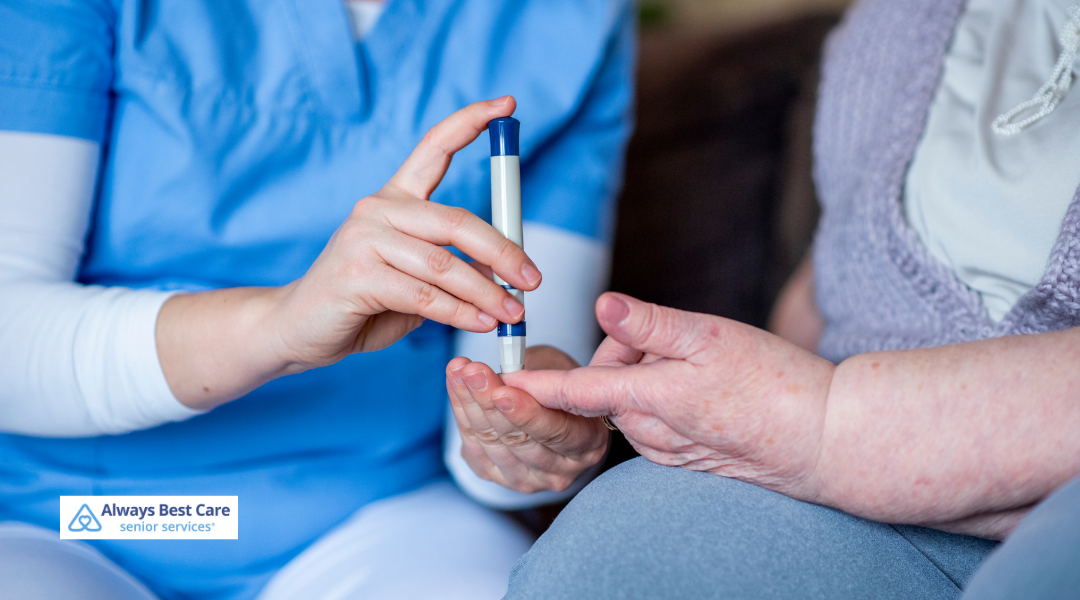
Diabetes doubles the risk of stroke. High blood sugar damages the walls of blood vessels over time, making them more prone to blockage. Many seniors with Type 2 diabetes may not realize how directly their glucose management connects to brain health.
Consistent blood sugar control through diet, physical activity, and medication adherence is one of the most impactful things a diabetic senior can do to reduce stroke risk. Regular A1C testing and open communication with a healthcare provider are essential parts of this process.
Address Cholesterol and Heart Health Together
Cholesterol buildup in the arteries doesn’t happen overnight — it’s a gradual process that can quietly restrict blood flow to the brain for years before a stroke occurs. Seniors should know their numbers and work with their doctor to keep LDL (bad cholesterol) low and HDL (good cholesterol) high.
Heart conditions such as atrial fibrillation (AFib) also significantly raise stroke risk and are more common in older adults. If a senior has been diagnosed with AFib, following the prescribed treatment plan — which may include blood thinners — is critical.
Move More, Every Day
Exercise is one of the most effective and underutilized stroke prevention strategies. It improves circulation, helps manage weight, lowers blood pressure, and reduces inflammation — all factors that directly affect stroke risk.
Seniors don’t need a gym membership or intense workouts to benefit. Accessible options include:
- Daily walks through the neighborhood or a local park
- Chair-based stretching and strength exercises
- Gardening or light yard work
- Yoga or tai chi classes designed for older adults
The goal is consistency. Even 20–30 minutes of gentle movement most days delivers measurable cardiovascular benefits.
Eat to Protect Your Brain
Diet has a direct and lasting impact on stroke risk. A heart-healthy eating pattern reduces inflammation, supports healthy blood vessels, and helps manage blood pressure and cholesterol simultaneously.
Seniors in Cypress, TX should focus on:
- More whole foods — fruits, vegetables, legumes, and whole grains
- Lean proteins — fish (especially fatty fish like salmon), poultry, and plant-based sources
- Healthy fats — olive oil, avocados, and nuts over saturated and trans fats
- Less sodium and processed food — read labels and cook at home when possible
- Adequate hydration — dehydration can thicken the blood and increase clotting risk
Small, sustainable dietary changes made consistently over time are far more effective than short-term diets.
The Role of Caregiving in Stroke Prevention
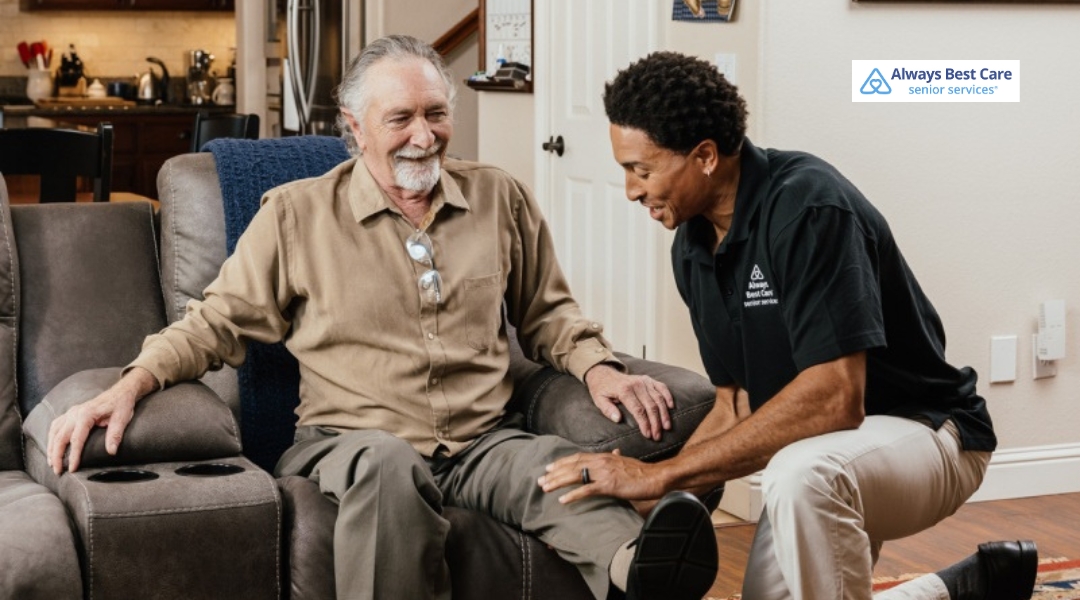
For seniors managing multiple health conditions or living alone, maintaining all of these habits independently can be genuinely difficult. A professional caregiver provides more than just companionship — they offer the consistent, day-to-day support that makes healthy living achievable.
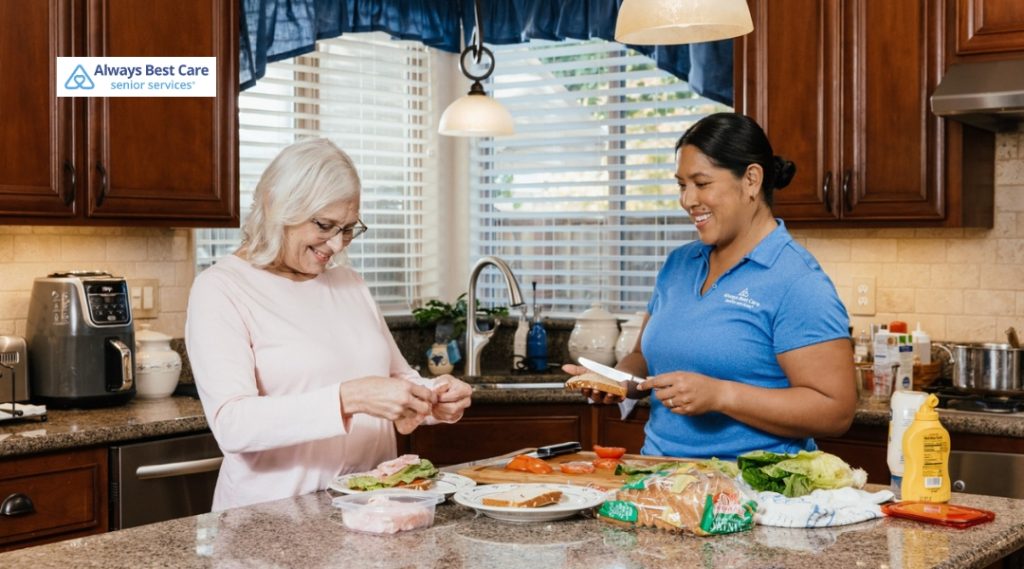
Caregivers can assist with meal preparation, medication reminders, transportation to medical appointments, and encouraging regular physical activity. They also serve as an important first line of observation — noticing subtle changes in a senior’s health or behavior that may warrant medical attention.
At Always Best Care of Cypress, TX, our caregivers are trained to support seniors in building and maintaining the routines that protect long-term health and independence.

Frequently Asked Questions
Q: What are the most common warning signs of a stroke?
A: Use the FAST acronym: Face drooping, Arm weakness, Speech difficulty, Time to call 911. Other symptoms include sudden confusion, vision problems, severe headache, or loss of balance. If any of these occur, call emergency services immediately.
Q: At what age does stroke risk significantly increase?
A: Stroke risk increases with age, and the risk roughly doubles every decade after age 55. However, lifestyle factors can raise risk at any age, making prevention important for all older adults.
Q: Can stroke be prevented if there is a family history?
A: A family history of stroke does increase risk, but it doesn’t make stroke inevitable. Managing controllable risk factors — blood pressure, diabetes, cholesterol, diet, and exercise — can significantly offset genetic predisposition.
Q: How does smoking affect stroke risk in seniors?
A: Smoking damages blood vessels, raises blood pressure, and reduces oxygen in the blood — all of which increase stroke risk. Quitting smoking at any age reduces stroke risk, and the benefits begin almost immediately after stopping.
Q: How can a caregiver help prevent stroke in an elderly loved one?
A: A caregiver can support stroke prevention by helping with medication management, preparing heart-healthy meals, encouraging daily physical activity, accompanying seniors to medical appointments, and monitoring for early warning signs of health changes.
Q: What should I do if I think a loved one is having a stroke?
A: Call 911 immediately. Do not wait to see if symptoms improve. Time is critical — the faster treatment begins, the better the outcome. Note the time symptoms started, as this information is important for medical teams.

Empower Healthy Aging with Trusted In-Home Care
Stroke prevention is not a single action — it’s a lifestyle. By addressing the key risk factors consistently and having the right support in place, seniors in Cypress, TX can protect their brain health and continue living with independence and confidence.
Contact Always Best Care of Cypress at (281) 246-0080 to learn more and schedule your free consultation.
Link to the markdown version of this blog.