Summer Home Safety Checklist for Seniors in Cypress, TX
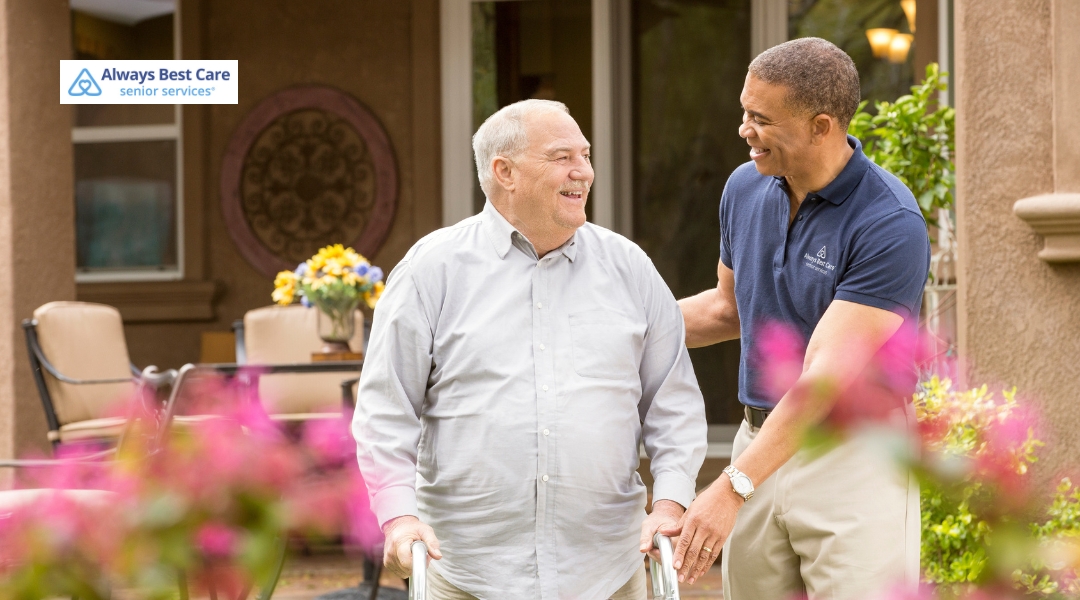
Summer in Cypress, TX, is a season full of promise — longer evenings, family gatherings, and time spent outdoors. But for older adults, rising temperatures and seasonal hazards can turn a pleasant summer into a serious health risk. The good news? A little proactive planning goes a long way. Here’s how seniors and their families can prepare the home for a safe, comfortable summer.
What You Will Learn:
- Why seniors are more vulnerable to extreme heat and how to reduce risks.
- How to keep homes cool and comfortable during Texas summers.
- Ways to build hydration habits and prevent dehydration.
- How to reduce fall risks and prepare for storms and outages.
Table of Contents
Start With Your Cooling System — Before You Need It
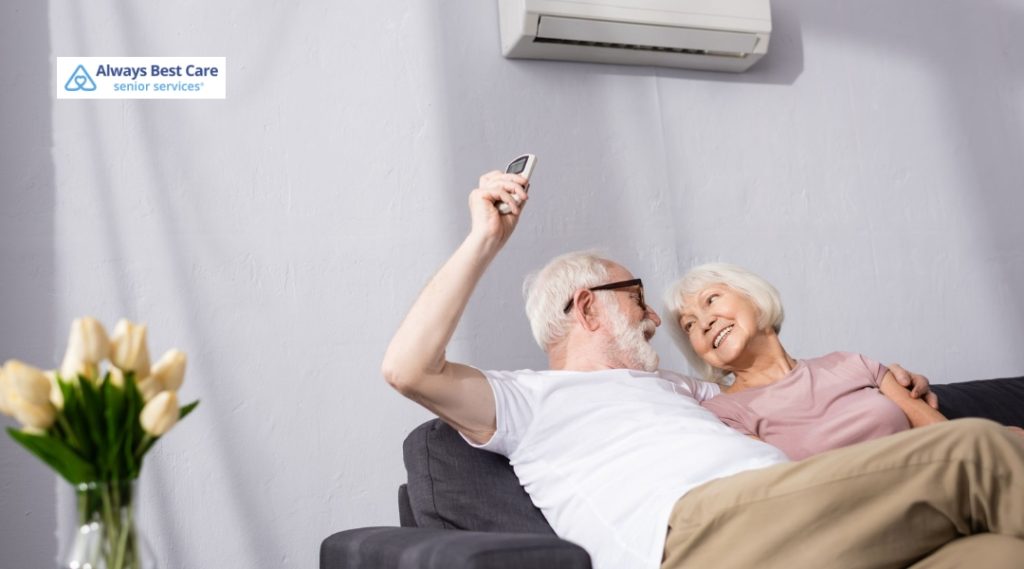
Most people wait until the first heat wave to realize their AC isn’t working properly. Don’t be one of them. Schedule an HVAC inspection in late spring, replace air filters, and test ceiling fans to make sure they’re spinning counterclockwise — the direction that creates a cooling downdraft.
For rooms that tend to trap heat, consider blackout curtains or reflective window film. These low-cost solutions can reduce indoor temperatures significantly during peak afternoon hours.
If a senior in your life doesn’t have air conditioning, map out nearby cooling centers, libraries, or community centers in advance. Having that list ready before a heat emergency strikes can make all the difference.
Rethink Hydration as a Daily System
Seniors are at higher risk for dehydration because the body’s thirst signals weaken with age — meaning an older adult may be significantly dehydrated before they even feel thirsty. Certain medications compound this risk further.
Rather than relying on thirst as a cue, build hydration into the daily routine:
- Place a filled water bottle in every room the senior spends time in
- Set phone or watch reminders to drink water every two hours
- Incorporate high-water-content foods — watermelon, cucumbers, strawberries, and celery — into meals and snacks
- Limit caffeine and alcohol, which accelerate fluid loss
Small, consistent habits are far more effective than trying to “catch up” on fluids after the fact.

Walk the Property With Fresh Eyes
Outdoor hazards that were manageable in cooler months can become more dangerous in summer. Bright sunlight creates glare that makes it harder to spot uneven pavement. Heat causes materials to expand, loosening pavers and handrails. And garden hoses, lawn equipment, and seasonal furniture add new tripping hazards to familiar spaces.
Do a deliberate walkthrough of all outdoor areas:
- Test every handrail and stair railing for stability
- Repair or flag uneven walkways and cracked pavement
- Clear pathways of hoses, tools, and clutter
- Trim back overgrown plants that narrow walking paths
- Confirm that all outdoor lighting is working — evenings get busy in summer
A five-minute inspection now can prevent a serious fall later.
Build a Storm and Power Outage Plan
Summer storms, high winds, and power outages are a real concern in many parts of the country. For seniors — especially those who rely on powered medical devices or refrigerated medications — losing electricity isn’t just an inconvenience. It can be a medical emergency.
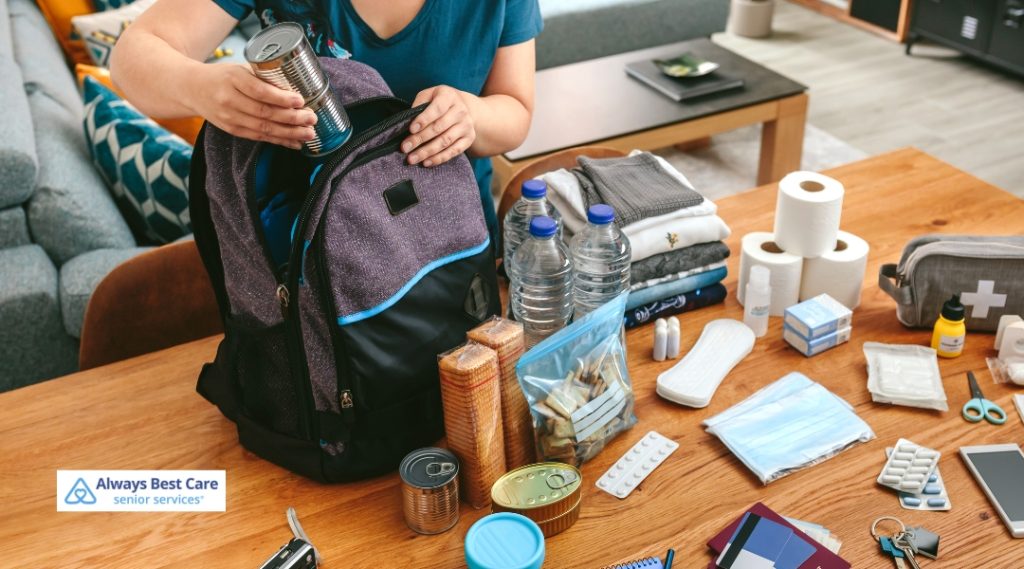
Prepare a dedicated emergency kit that includes:
- At least three days’ worth of water and nonperishable food
- Flashlights, candles, and extra batteries
- A printed list of emergency contacts and medical information
- A supply of essential medications
- Backup charging options for phones and medical devices
Equally important: establish a communication plan with family members. Who checks in first? What’s the backup if phones are down? Having these answers decided in advance removes panic from the equation.
Don’t Overlook Medication Management
Heat affects medications in ways many people don’t consider. Some drugs — including certain blood pressure medications, diuretics, and antihistamines — increase the body’s sensitivity to heat or reduce its ability to sweat. Others degrade when exposed to high temperatures, losing potency or becoming unsafe.
Review all medications with a pharmacist or healthcare provider at the start of summer:
- Confirm proper storage temperatures for each medication
- Move any medications stored near windows or in warm rooms
- Ask specifically about heat-related side effects and warning signs to watch for
This is a simple conversation that could prevent a serious health event.

Reduce Indoor Fall Risks That Summer Creates
Fall prevention is a year-round priority, but summer introduces specific indoor hazards worth addressing. Wet feet from the pool, garden, or a quick outdoor rinse can create slippery floors near entryways. Increased activity means more items left in walkways. And longer days can lead to late-evening movement in poorly lit areas.
Address these risks directly:
- Place non-slip mats at every entrance and in the bathroom
- Keep all walkways consistently clear — make it a daily habit, not an occasional task
- Ensure nightlights are installed in hallways, bathrooms, and stairwells
- Encourage supportive, closed-toe footwear both indoors and outdoors
How Always Best Care of Cypress, TX, Can Help
Summer preparation can feel like a long checklist — especially for seniors managing it alone or families trying to coordinate care from a distance. Always Best Care of Cypress, TX, provides in-home support that takes the pressure off.
Our caregivers can assist with:
- Home safety walkthroughs and light housekeeping
- Meal preparation and hydration support
- Medication reminders
- Transportation to appointments and errands
- Companionship and ongoing wellness monitoring
We help seniors stay safe, comfortable, and independent — all summer long.

Frequently Asked Questions
Q: At what temperature does heat become dangerous for seniors?
A: Temperatures above 80°F can pose a risk for older adults, particularly when combined with high humidity. Seniors are more vulnerable because the body’s ability to regulate heat declines with age. Air conditioning, hydration, and limiting outdoor activity during peak heat hours (typically 10 a.m. to 4 p.m.) are the most effective protective measures.
Q: How can I tell if a senior is dehydrated?
A: Early signs include dark-colored urine, dry mouth, fatigue, and mild confusion. More serious dehydration can cause dizziness, rapid heartbeat, and difficulty walking. Because seniors often don’t feel thirsty even when dehydrated, it’s important to encourage regular fluid intake rather than waiting for thirst to signal a need.
Q: What medications are most affected by summer heat?
A: Diuretics, blood pressure medications, antidepressants, antihistamines, and certain heart medications can all increase heat sensitivity or degrade in high temperatures. Always consult a pharmacist or physician to understand how specific medications interact with heat and how they should be stored.
Q: How do I make an outdoor space safer for a senior this summer?
A: Focus on three areas: surface stability (repair uneven pavers, secure handrails), clear pathways (remove hoses, tools, and clutter), and lighting (ensure all outdoor fixtures work properly). If the senior uses a cane or walker, confirm that the surfaces they navigate regularly are smooth and obstacle-free.
Q: What should be in a senior’s summer emergency kit?
A: At minimum: three days of water and nonperishable food, flashlights and batteries, a printed list of emergency contacts and medical information, essential medications, and backup charging options for phones or medical devices. Store the kit in an easily accessible location and review its contents at the start of each season.

Help Your Loved One Stay Safe and Comfortable This Summer
At Always Best Care of Cypress, we help seniors stay safe, cool, and supported throughout the summer months. From home safety checks and hydration support to transportation and companionship, our caregivers provide personalized care that promotes independence and peace of mind. Contact Always Best Care of Cypress at (281) 246-0080 to learn more and schedule your free consultation.
Link to the markdown version of this blog.