The Hidden Risks of Managing Wounds Without Skilled Nursing in Cypress, TX
Caring for a wound at home sounds straightforward — clean it, cover it, and let it heal. But for many seniors in Cypress, TX, wound care is rarely that simple. Aging skin, chronic health conditions, and slower healing times can turn a minor injury into a serious medical concern faster than most families expect.
Knowing when to manage a wound at home and when to call in a skilled nurse can make a real difference in your loved one’s recovery — and their overall safety.
Table of Contents
What You Will Learn
- Why wounds can become more difficult to heal in older adults because of fragile skin, diabetes, poor circulation, heart disease, medications, nutrition concerns, dehydration, immune changes, and limited mobility.
- Which wounds may require a professional clinical assessment or physician-directed skilled nursing, including surgical incisions, pressure injuries, diabetic foot ulcers, venous or arterial ulcers, deep or non-healing skin tears, burns, and chronic wounds.
- Warning signs that should prompt contact with a healthcare provider, including increasing redness, warmth, swelling, worsening pain, cloudy or foul-smelling drainage, wound separation, dark or black tissue, fever, chills, confusion, or a sudden change in alertness.
How Aging Changes the Way Wounds Heal
Skin doesn’t just look different as we age — it behaves differently. By the time most people reach their 70s, the skin has become significantly thinner, less elastic, and more prone to tearing. The outer layer loses its ability to act as a strong barrier, and the deeper layers take longer to regenerate.
Beyond the skin itself, several age-related factors slow the healing process:
- Reduced circulation means less oxygen and fewer nutrients reach the wound site
- Immune system changes make it harder for the body to fight off bacteria
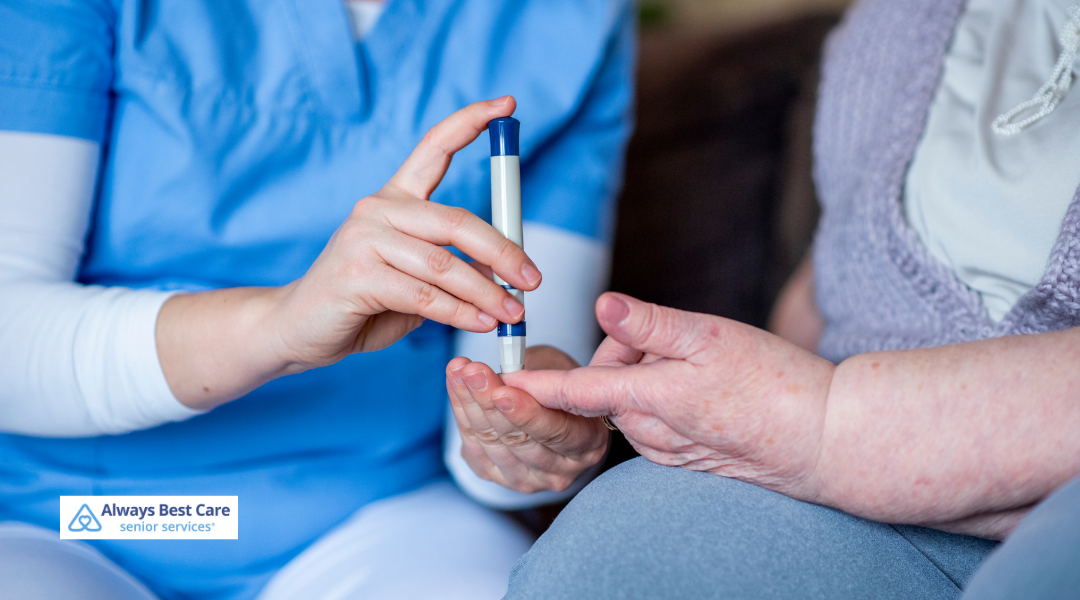
- Chronic conditions like diabetes or heart disease directly interfere with tissue repair
- Medications such as blood thinners or steroids can affect clotting and skin integrity
- Nutritional gaps — low protein, vitamin C, or zinc — deprive the body of the building blocks it needs to heal
In Cypress’s warm, humid climate, there’s an added layer of concern: heat and moisture can accelerate bacterial growth around wounds, making hygiene and proper dressing changes even more critical.
Types of Wounds That Often Require Skilled Nursing
Not every cut or bruise needs a medical professional. But certain wound types carry a higher risk of complications and benefit significantly from skilled nursing oversight:
- Surgical incisions — especially after orthopedic, cardiac, or abdominal procedures
- Pressure injuries (bedsores) — common in seniors with limited mobility
- Diabetic foot ulcers — slow to heal and highly prone to infection
- Venous or arterial ulcers — caused by poor circulation in the legs
- Skin tears — fragile skin wounds that require careful closure and monitoring
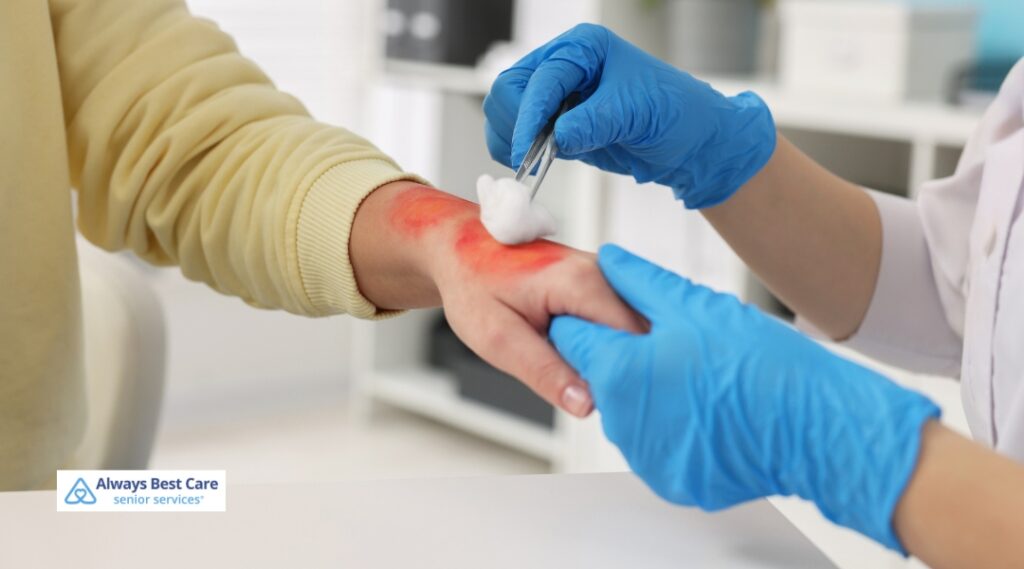
- Burns — even minor burns can become infected quickly in older adults
- Chronic non-healing wounds — any wound that hasn’t shown improvement after two to four weeks
If your loved one has any of these wound types, a physician referral for home health skilled nursing is worth discussing.
Warning Signs That a Wound Needs Immediate Attention
Families are often the first to notice when something isn’t right. Watch for these red flags:
- Increasing redness, warmth, or swelling around the wound edges
- Discharge that is cloudy, green, or foul-smelling
- Wound edges that are pulling apart rather than closing
- Dark or blackened tissue at or around the wound
- Fever above 100.4°F, chills, or sudden confusion
- Worsening pain rather than gradual improvement
Any of these signs warrants a call to the physician — and potentially urgent care. For seniors with diabetes or compromised immune systems, don’t wait to see if symptoms resolve on their own.
What a Skilled Home Health Nurse Does for Wound Care in Cypress, TX
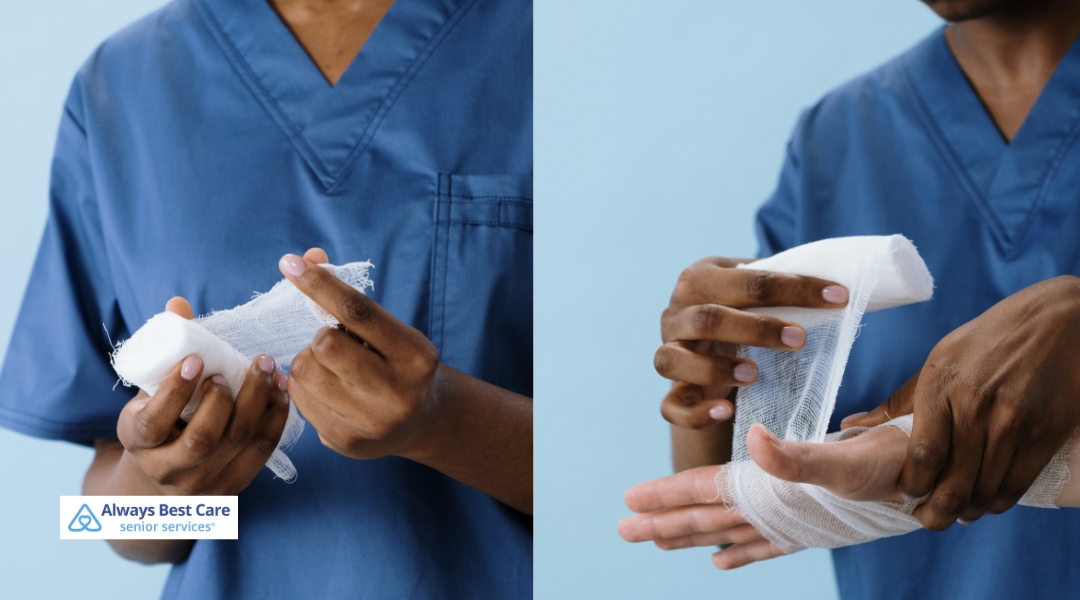
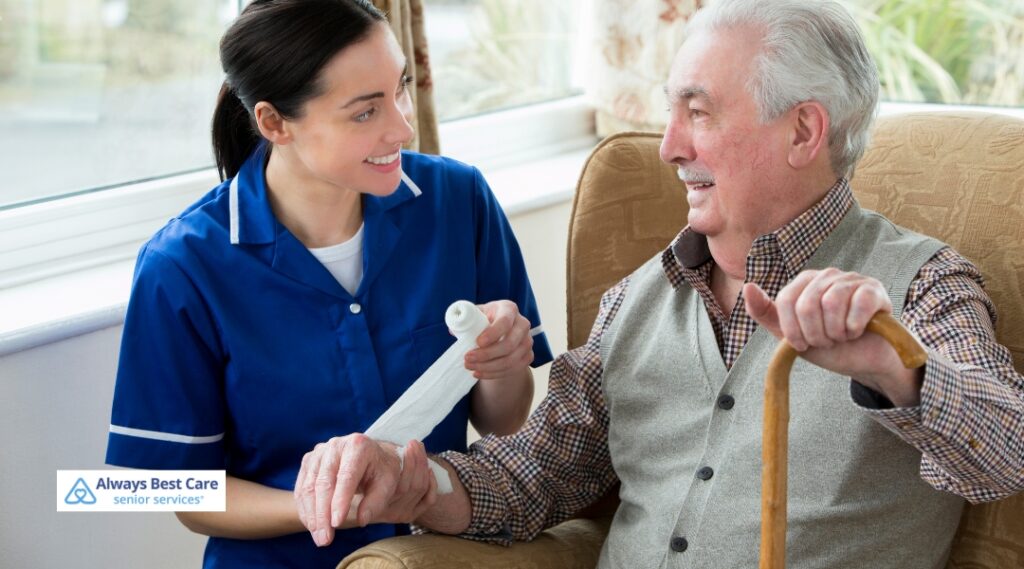
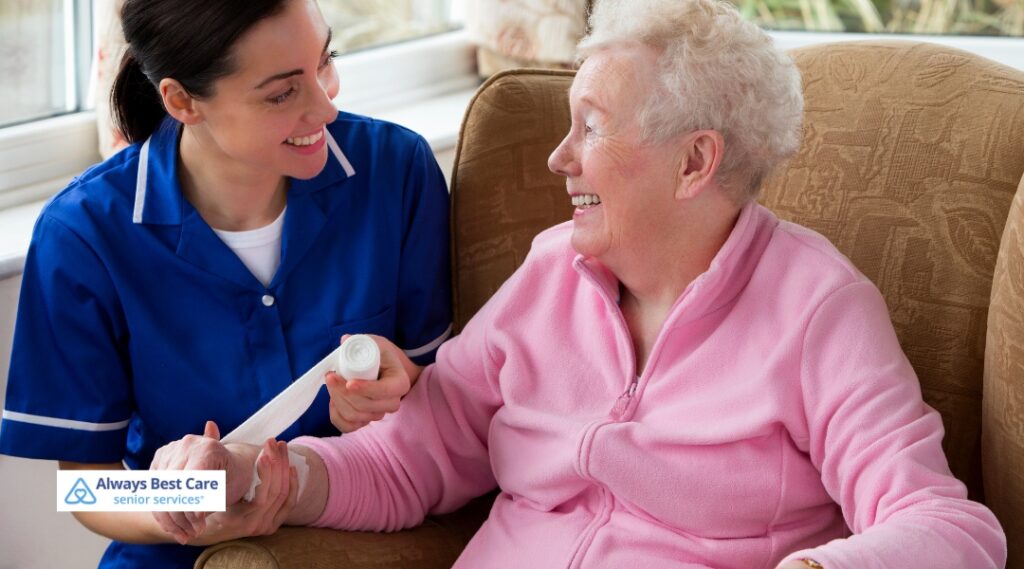
When a physician orders skilled nursing as part of a home health plan, a licensed nurse visits the senior at home to provide clinical-level wound care. This is not the same as general caregiving — it is medical treatment delivered in a familiar, comfortable setting.
Skilled nursing wound care typically includes:
- Wound assessment — measuring size, depth, and tissue condition at each visit
- Debridement support — removing dead tissue to promote healthy healing
- Sterile dressing changes — using the appropriate materials for the wound type
- Infection monitoring — identifying early signs before they escalate
- Coordination with the care team — reporting changes to the physician and updating the treatment plan
- Family education — teaching caregivers what to watch for between visits and how to keep the wound clean and protected
Having a skilled nurse involved is particularly valuable after a hospital discharge, when the risk of complications is highest and families may feel uncertain about what “normal” healing looks like.
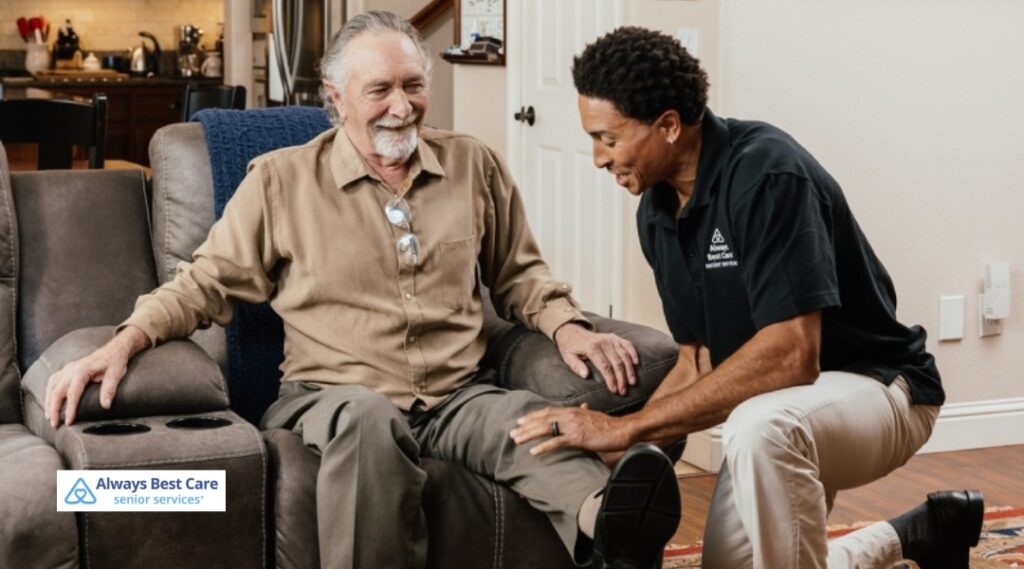
Preventing Pressure Injuries Before They Start
For seniors with limited mobility, prevention is just as important as treatment. Pressure injuries develop when sustained pressure cuts off blood flow to the skin — often over bony areas like the heels, hips, tailbone, and shoulder blades.
Practical prevention strategies include:
- Repositioning every two hours for bed-bound seniors
- Using pressure-relieving mattresses or cushions
- Keeping skin clean and dry, especially in skin folds
- Ensuring adequate nutrition and hydration to support skin integrity
- Daily skin checks by a caregiver or family member
A skilled nurse can assess a senior’s pressure injury risk and recommend specific interventions tailored to their mobility level and health status.
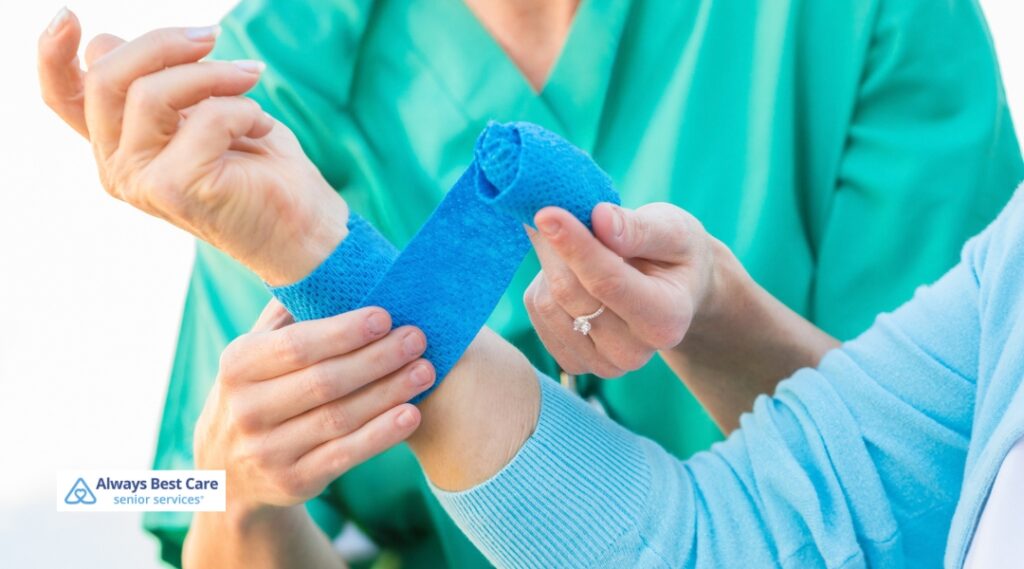
How Skilled Nursing and In-Home Care Work Together
Skilled nursing addresses the medical side of wound care, but recovery involves more than dressing changes. Seniors healing at home often need support with daily tasks that become harder when mobility is limited or pain is present.
An in-home caregiver can complement skilled nursing by:
- Preparing nutritious meals that support healing
- Assisting with bathing and personal hygiene without disturbing the wound
- Helping with mobility and safe transfers to reduce fall risk
- Reminding seniors to take prescribed medications
- Observing and reporting any changes in the senior’s condition to family or the care team
Together, skilled nursing and in-home care create a more complete support system — one that addresses both medical needs and quality of life.
Supporting Safer Recovery at Home in Cypress, TX
Complex wound care doesn’t have to fall entirely on families. When skilled nursing is part of the plan, seniors can receive professional medical care without leaving home — reducing stress, lowering the risk of hospital readmission, and supporting a more comfortable recovery.
Always Best Care of Cypress, TX provides services designed to help older adults heal safely at home. Depending on your loved one’s needs and physician orders, support may include skilled nursing through a home health referral and in-home caregiving for daily assistance.
Frequently Asked Questions
Q: When does a wound require skilled nursing rather than basic home care?
A wound typically requires skilled nursing when it involves a surgical incision, shows signs of infection, is not healing after two to four weeks, or is associated with a condition like diabetes or poor circulation. A physician can assess the wound and issue a home health order if skilled care is appropriate.
Q: Does Medicare cover skilled nursing for wound care at home?
A: Medicare Part A may cover home health services — including skilled nursing for wound care — if the patient is homebound, has a physician’s order, and the care is provided by a Medicare-certified home health agency. Coverage specifics vary, so it’s best to confirm with the agency and your insurance provider.
Q: How often will a skilled nurse visit for wound care?
A: Visit frequency depends on the wound type, severity, and the physician’s orders. Some wounds require daily visits; others may need care two to three times per week. The nurse will adjust the schedule based on how healing progresses.
Q: What is the difference between a home health nurse and an in-home caregiver?
A: A home health nurse is a licensed medical professional who provides clinical care — such as wound assessment, dressing changes, and infection monitoring — under a physician’s orders. An in-home caregiver provides non-medical support, such as help with meals, personal care, and daily activities.
Q: Can wound care be done entirely at home, or will my loved one need to go to a clinic?
A: Many types of wound care can be managed at home with skilled nursing support. However, some wounds — particularly those requiring surgical debridement or advanced wound therapy — may need periodic clinic or hospital visits. The physician and home health nurse will guide the appropriate care setting.
Q: How does Cypress’s climate affect wound healing?
A: Cypress’s heat and humidity can increase the risk of bacterial growth around wounds, particularly in skin folds or areas that stay moist. Keeping wounds clean, dry, and properly dressed is especially important in warmer months.
Sources
- National Institute on Aging. Skin Care and Aging. https://www.nia.nih.gov/health/skin-care-and-aging
- Centers for Medicare & Medicaid Services. Home Health Services. https://www.medicare.gov/coverage/home-health-services
- American Academy of Dermatology Association. Wound Care: How to Care for a Wound at Home. https://www.aad.org
- National Pressure Injury Advisory Panel (NPIAP). Pressure Injury Prevention Points. https://npiap.com
- American Diabetes Association. Foot Complications. https://www.diabetes.org/diabetes/complications/foot-complications
- MedlinePlus / U.S. National Library of Medicine. Wound Healing. https://medlineplus.gov/woundhealing.html
- Cleveland Clinic. Skin Changes in Older Adults. https://my.clevelandclinic.org/health/articles/skin-changes-in-older-adults
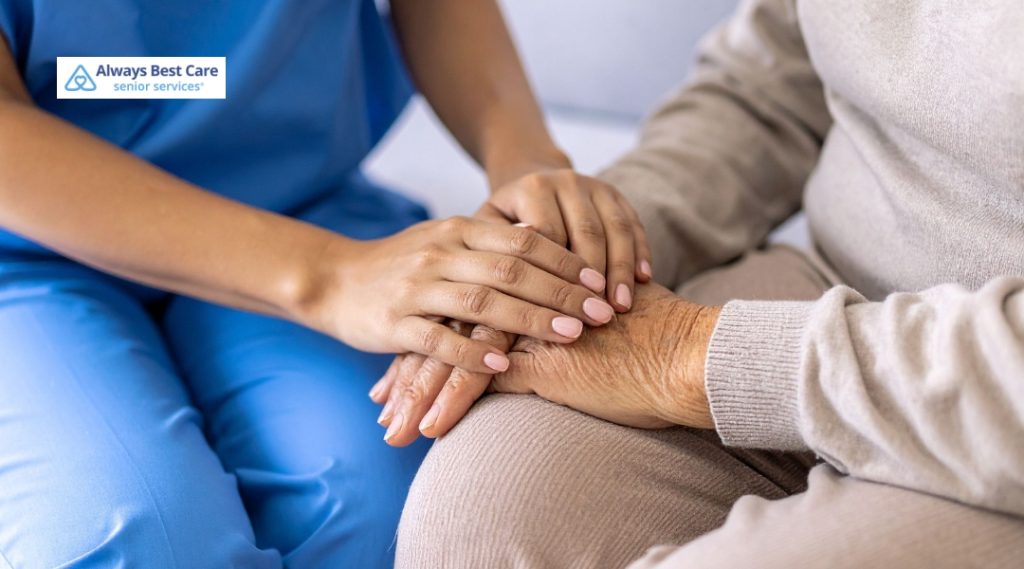
Support Safer Wound Recovery at Home
A wound that is worsening, slow to heal, showing signs of infection, or making mobility and daily routines more difficult can become a serious concern for an older adult. Prompt clinical guidance, a physician-directed care plan, and dependable day-to-day support can help families respond earlier and make recovery at home more manageable.
Contact Always Best Care of Cypress at (281) 246-0080 to learn more and schedule your free consultation.
Link to the markdown version of this blog.