

What to Do When Your Loved One Isn’t Eating Enough in Cypress, TX

As the years roll by, many families start to notice something subtle but worrisome: a loved one’s plate isn’t as full as it used to be. Breakfast gets skipped, dinner portions shrink, and snacks disappear from the routine. At first, it might seem like no big deal. But over time, that declining appetite can chip away at strength, energy, and overall well-being.
In Cypress, TX, we see this often—and we know it’s not just about food. It’s about comfort, health, independence, and the simple joy of sharing a good meal. Understanding why appetite changes and how we can respond makes a real difference for seniors and the families who love them.
What You Will Learn:
- Why seniors lose their appetite and common contributing factors.
- The health risks of poor nutrition, including weight loss and fatigue.
- Practical ways to make meals more appealing and easier to manage.
- How caregivers and home care support consistent nutrition and well-being.

Table of Contents
Why Appetite Declines with Age in Cypress, TX
Appetite rarely fades for just one reason. Aging can change how food smells, tastes, and even feels, and those shifts can add up.
Some common contributors to reduced appetite include:
- Side effects from medications
- Dental pain or dentures that don’t fit quite right
- Difficulty chewing or swallowing
- Long-term health conditions
- Depression, anxiety, or feeling lonely
- Memory loss or cognitive changes
Sometimes, these factors pile up quietly. That’s why families in Cypress, TX are wise to keep an eye on ongoing changes and bring concerns to a trusted healthcare provider rather than waiting and hoping it will “just pass.”
The Hidden Risks of Eating Too Little
Skipping meals now and then isn’t unusual—but consistently eating too little can slowly drain a senior’s reserves. Over weeks and months, poor nutrition can lead to:
- Unplanned weight loss
- Muscle weakness and less stability
- Higher risk of falls
- Fatigue and low energy
- Slower healing after illness or injury
- A weakened immune system
Even mild nutritional shortfalls can make it harder for seniors to stay active, safe, and independent. That’s why we pay close attention to changes in appetite—because they often signal more than just “not being hungry.”

Making Meals More Appealing
Sometimes, the problem isn’t what seniors eat, but how meals are presented. A plate that looks blah or feels overwhelming can turn a senior off before the first bite.
A few simple tweaks can help:
- Boost flavor: Use herbs and spices to bring dishes to life without heavy salt.
- Play with color and texture: Bright vegetables, smooth soups, and tender proteins make plates more inviting.
- Serve favorite foods: A familiar, well-loved meal can spark interest when nothing else does.
- Offer smaller portions more often: Large plates can be intimidating; small, frequent meals feel more manageable.
- Focus on nutrient-dense choices: Foods that pack protein, vitamins, and healthy fats into smaller servings are gold.
Instead of three big meals, many seniors do better with several small meals and snacks spread across the day. That way, every bite counts without feeling like a chore.
Turn Mealtime into a Social Experience in Cypress, TX
Eating alone day after day can drain the fun out of mealtime—and when food feels lonely, it’s easy to skip it. Seniors who feel isolated may nibble here and there, but rarely eat enough.
Sharing meals changes the entire mood:
- Family dinners
- Lunch with a neighbor or friend
- Sitting with a caregiver for a cup of tea and a light snack
Conversation, laughter, and simple companionship often keep seniors at the table a little longer and encourage them to eat more. In Cypress, TX, we see how powerful that social connection can be.
Watching for Health Red Flags
Not every appetite change is harmless. If eating less becomes a pattern—or comes on suddenly—it’s wise to look closer.
Families should watch for:
- Noticeable weight loss
- Ongoing dental pain or trouble chewing
- Sudden shifts in mood or personality
- Persistent nausea or digestive complaints
- Increased confusion or forgetfulness
A healthcare provider can check for medication side effects, dental issues, or underlying conditions that may be interfering with appetite. Catching these concerns early can prevent bigger problems later.

Focus on Nutrient-Rich Foods
When appetite is limited, there’s no room for “empty calories.” Every bite should work hard.
Helpful options include:
- Eggs
- Greek yogurt
- Lean meats and fish
- Nut butters
- Beans and lentils
- Fresh fruits and vegetables
- Whole grains
Protein is especially important—it helps maintain muscle mass and strength, which support balance, movement, and everyday independence.
How We at Always Best Care of Cypress, TX Help Seniors Eat Well
For many seniors, keeping up with good nutrition isn’t just about appetite—it’s about energy, mobility, and support at home. That’s where we come in.
At Always Best Care of Cypress, TX, we help by:
- Planning and preparing meals that match tastes and needs
- Handling grocery shopping and pantry organization
- Encouraging regular hydration throughout the day
- Keeping an eye on eating habits and appetite changes
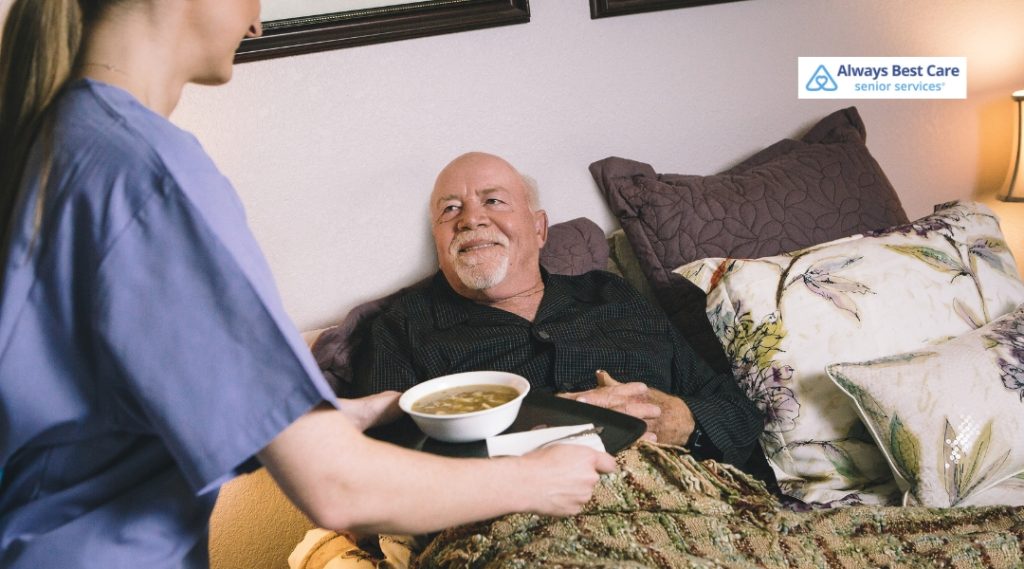
- Providing companionship during meals to make them more enjoyable
- Sharing concerns with family members when something seems off
We work alongside families to create a calm, welcoming mealtime routine that fits real life, not an idealized schedule. Our goal is simple: help seniors eat well, feel better, and stay safer at home.
Supporting Healthy Eating and Healthy Aging in Cypress, TX
A shrinking appetite shouldn’t be brushed aside as “just getting older.” Food is fuel—but it’s also comfort, connection, and a big part of staying strong enough to enjoy life.
With practical strategies, warm support, and a little creativity, seniors in Cypress, TX can continue to enjoy:
- Nutritious, satisfying meals
- More stable energy
- Better strength and balance
- Greater confidence living at home
We’re here to walk that road with you and your loved one, one meal at a time.
FAQs
Q: How do we know if a senior’s appetite decline is serious?
A: If a loved one is consistently eating less, losing weight, feeling weaker, or acting more tired or confused, it’s time to speak with a healthcare provider. Sudden or ongoing changes are important to address, not ignore.
Q: What if chewing is painful or difficult?
A: Soft, easy-to-chew foods—like scrambled eggs, mashed potatoes, creamy soups, and tender vegetables—can help. It’s also smart to have dentures checked and dental issues treated promptly.
Q: How often should seniors eat during the day?
A: Many seniors do better with smaller, more frequent meals—three modest meals plus several snacks—rather than three large, heavy meals.
Q: Can social meals really improve appetite?
A: Yes. Sharing meals with family, friends, or caregivers often makes eating more enjoyable and encourages seniors to eat more than they would alone.
Q: How can we help a picky eater with a low appetite?
A: Involve them in choosing meals, offer favorite dishes, experiment with different textures (like pureed soups or smoothies), and keep portions small but regular.

Support Your Loved One’s Nutrition and Independence
Declining appetite in Cypress, TX is common, but it doesn’t have to quietly erode a senior’s health and independence. With thoughtful planning, appealing foods, social connection, and gentle support, we at Always Best Care of Cypress, TX help seniors rediscover the comfort of good meals and the strength that comes from better nutrition.
If you’re worried about a loved one’s changing eating habits, we’re ready to support you and them—so mealtime can feel less like a struggle and more like a moment to enjoy again. Contact Always Best Care of Cypress at (281) 246-0080 to learn more and schedule your free consultation.
Link to the markdown version of this blog.