

Staying Independent in Argyle: How Occupational Therapy Supports Seniors at Home

For many seniors in Argyle, home is more than an address. It’s the place where routines are familiar, memories are tucked into every corner, and neighbors still wave from across the street. As bodies slow down or health changes, though, everyday tasks that once felt automatic can start to feel risky, tiring, or downright frustrating.
Occupational therapy steps in right at that crossroads. Instead of focusing only on problems, occupational therapists look at what seniors want to keep doing—and figure out practical ways to make it safe and doable again. Independence doesn’t have to disappear; it just needs a little coaching and support.

Table of Contents
What Occupational Therapy Does for Seniors at Home
Occupational therapy for seniors is all about daily life. The focus isn’t just on exercise or recovery after a fall. It’s on bathing, dressing, cooking, moving around the house, and staying engaged in meaningful activities.
In simple terms, occupational therapy in Argyle helps seniors:
- Stay safer and steadier during everyday tasks
- Use their energy wisely, instead of burning out before lunch
- Keep doing the activities that make life feel like their own
- Build confidence after setbacks, like illness or hospitalization
Rather than asking, “What can’t you do anymore?” an occupational therapist asks, “What do you want to keep doing at home—and how can we make that work?”

Personal Care with Dignity
Tasks like bathing, dressing, and grooming can get complicated with stiff joints, balance problems, or limited reach. Still, many seniors deeply value doing as much of these things on their own as possible.
An occupational therapist might:
- Suggest grab bars, non-slip mats, and shower chairs for bathroom safety
- Introduce long-handled sponges or shoe horns to reduce bending
- Teach easier techniques for getting dressed from a seated position
Each small success—taking a shower without feeling scared of slipping, or getting dressed without needing full assistance—builds a quiet but powerful sense of dignity.

Housework and Meal Prep Without the Burnout
Chores don’t magically vanish with age. Laundry, light cleaning, and meal preparation still need to get done—but the old way of doing them might be too tiring. Occupational therapy can help seniors in Argyle keep their homes running without draining every ounce of energy.
Examples include:
- Rearranging the kitchen so frequently used items sit within easy reach
- Teaching seniors to sit while folding clothes, chopping vegetables, or ironing
- Breaking bigger jobs into smaller steps spread across the day
Daily routines become more manageable, and seniors feel proud that they can still contribute to their household.
Small Changes, Big Safety Gains
A home doesn’t have to be completely remodeled to support aging at home in Argyle. Sometimes small tweaks make the biggest difference. Occupational therapists walk through the home with a careful eye and look for simple ways to cut down risk.
Common suggestions include:
- Clearing clutter and cords from walkways
- Removing or securing loose rugs
- Adding nightlights to hallways and bathrooms
- Installing handrails or grab bars where extra stability is needed
These changes can dramatically lower fall risk, which is one of the biggest threats to senior independence.
Adaptive Tools That Make Life Easier
Tools and equipment can be game changers—if they’re comfortable and used correctly. An occupational therapist may recommend:
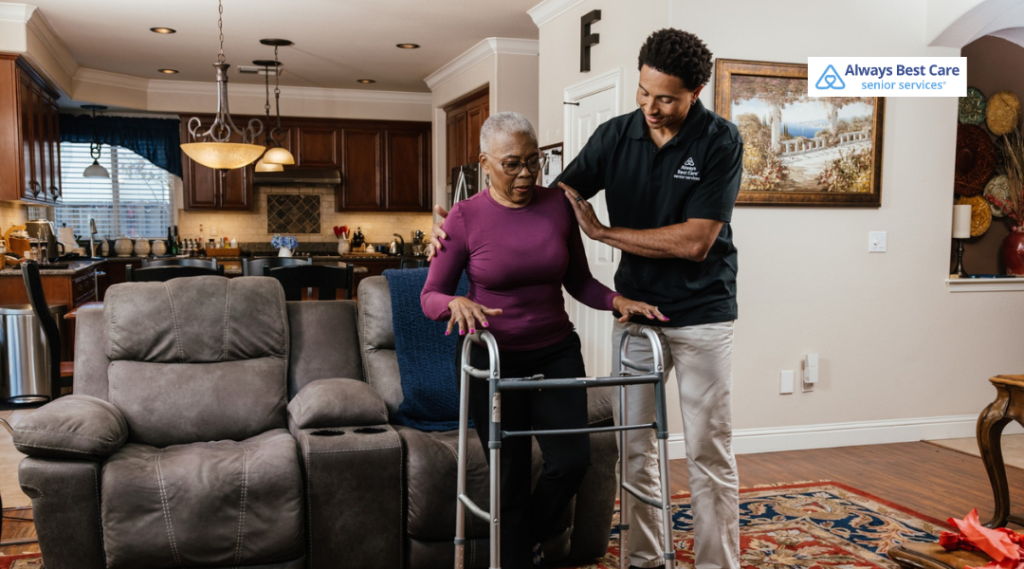
- Walkers or canes fitted to the right height
- Reachers or grabbers for items on high shelves
- Raised toilet seats or bed rails for easier transfers
- Special utensils or cups for those with shaky hands
Instead of feeling clumsy or helpless, seniors learn to work with their tools confidently and safely.
Routines, Hobbies, and Staying Connected
Independence isn’t just about showering or cooking. It’s also about joy—keeping up with hobbies, interests, and relationships. Occupational therapy in Argyle can help seniors stay active in the parts of life that matter most.
That might look like:
- Setting up a gardening area that can be tended from a chair
- Adjusting lighting and using magnifiers for reading or crafts
- Simplifying access to a phone or tablet for calls and video chats with family
- Practicing safe ways to get in and out of a favorite recliner or porch chair
By protecting the parts of the day that feel meaningful, OT supports emotional well‑being alongside physical safety.
Learning Safer Ways to Help
Family caregivers often do a lot of heavy lifting—physically and emotionally. Without guidance, they may strain their backs, feel unsure how much to help, or worry they’re doing something wrong. Occupational therapists can step in as coaches for caregivers too.
They might teach:
- Safer transfer techniques to avoid injuries
- How to cue or guide a loved one without taking over entirely
- Ways to set up the home so caregivers aren’t constantly improvising
With better techniques and clear strategies, caregiving becomes more sustainable and less overwhelming.

Creating Realistic, Sustainable Daily Schedules
Some days feel rushed from start to finish; others feel long and unstructured. Occupational therapy helps families design daily routines that balance activity, rest, and care needs.
For example, a typical day might:
- Place bathing or more demanding tasks earlier, when energy is higher
- Schedule rest breaks before fatigue leads to accidents
- Build in time for hobbies, social calls, or light exercise
The result is a day that feels predictable and manageable for everyone involved.
FAQs: Occupational Therapy and Senior Independence in Argyle
Q: How does occupational therapy support senior independence at home?
A: Occupational therapy supports independence by making daily tasks safer and easier through practical strategies, home adjustments, and tools that match a senior’s abilities and goals.
Q: Is occupational therapy only needed after a fall or hospital stay?
A: No. Many seniors benefit from occupational therapy before a major incident occurs, especially if they’re starting to struggle with balance, memory, or energy during everyday activities.
Q: Can occupational therapists visit seniors in their Argyle homes?
A: Yes, many occupational therapists provide in‑home visits, where they can see real-life challenges and tailor recommendations to the actual layout and routines in the home.
Q: How quickly can we see results from occupational therapy?
A: Some improvements—like safer ways to move or a better home setup—can show up within a few sessions. Building strength, stamina, and confidence often happens steadily over weeks or months.
Q: Can occupational therapy work together with in-home senior care?
A: Absolutely. Occupational therapists create the plan, and in‑home caregivers help seniors practice strategies and follow recommendations during everyday routines and support visits.

A Practical Path to Independence in Argyle
Staying independent at home in Argyle doesn’t have to be an all-or-nothing battle. With occupational therapy, seniors gain practical tools, smarter routines, and safer surroundings that support both confidence and comfort. Family caregivers get guidance, seniors get a stronger voice in their own care, and the home becomes a place where aging feels supported—not scary.
For many Argyle families, partnering with occupational therapy is the step that turns “I’m worried” into “We’ve got a plan.” Contact Always Best Care of Argyle at (940) 360-5011 to learn more and schedule your free consultation.
Link to the markdown version of this article.