

Why Personalized Care Plans Help Argyle Seniors Stay Independent Longer

In a close-knit community like Argyle, many seniors want the same big thing—to stay in their own homes—but the way they live day to day can be very different. One person might need help only with driving and heavy chores; another might need steady support with bathing, memory cues, or balance.
That’s where personalized care plans shine. Instead of a one-size-fits-all checklist, they build a practical, realistic blueprint around your loved one’s routines, health needs, and personality. The result: support that strengthens independence instead of quietly replacing it.
What You Will Learn:
- How home care supports daily independence for seniors.
- Ways caregivers improve safety and confidence at home.
- How care adapts to seasonal and changing needs.
- The role of companionship and family support in aging in place.

Table of Contents
What Is a Personalized Care Plan?
A personalized care plan is a written, flexible roadmap that outlines exactly what kind of help a senior needs—and just as importantly, what they can still do on their own.
It typically covers:
- Daily activities: bathing, dressing, grooming, meals, mobility.
- Health-related needs: medication reminders, monitoring changes, following therapy exercises.
- Home tasks: light housekeeping, laundry, errands, meal preparation.
- Safety concerns: fall risks, wandering, special equipment, home layout.
- Social and emotional needs: companionship, activities, community connections.
Because it’s built around one senior (not “seniors in general”), it can focus on maintaining strengths and shoring up weaker areas instead of treating every client the same way.

How Personalized Plans Protect Independence
Independence doesn’t mean doing everything alone; it means remaining in control of your own life as much as possible. A tailored care plan supports that by being selective and intentional.
Personalized plans help seniors:
- Do more for themselves. Caregivers step in where help is truly needed and encourage the senior to do what they can safely manage.
- Avoid preventable crises. By targeting fall risks, nutrition, medication routines, and early signs of decline, the plan reduces the chance of injuries or hospital stays that can suddenly change living arrangements.
- Move at their own pace. Support can increase gradually as needs grow, rather than jumping straight from “no help” to “full care.”
Instead of chipping away at independence, a personalized plan is designed to preserve it.
Reflecting Each Senior’s Health and Abilities
Argyle seniors live with all kinds of health situations—arthritis, heart disease, diabetes, early dementia, Parkinson’s, or simply normal aging. A generic plan can easily miss the details that matter.
A customized care plan considers:
- Current diagnoses and symptoms.
- Mobility and balance strengths and weaknesses.
- Vision, hearing, and fine motor skills.
- Cognitive changes like forgetfulness, confusion, or difficulty organizing tasks.
By matching care to real abilities—not assumptions—families can avoid under-support (which risks safety) and over-support (which can erode confidence).

Honoring Routines, Preferences, and Personality
Daily life isn’t just tasks; it’s habits and preferences built over years. A thoughtful care plan respects those patterns instead of steamrolling them.
That might mean:
- Keeping morning routines similar—coffee first, then shower, not the other way around.
- Working around cherished activities like church, club meetings, or time with grandchildren.
- Respecting food preferences, cultural traditions, and personal style.
- Matching caregivers whose personalities and communication styles fit the senior.
When care “fits” the person, seniors are more likely to accept help and feel comfortable, which in turn helps them stay at home longer.
Adapting as Needs Change Over Time
One of the biggest strengths of a personalized plan is that it isn’t frozen. As your loved one’s health changes, the plan can be updated to stay aligned with reality.
Adjustments might include:
- Adding more support after a hospital stay or new diagnosis.
- Increasing supervision if memory or judgment declines.
- Shifting from mainly household help to more hands-on personal care.
- Building in more rest periods or simplifying activities as energy drops.
Regular reviews keep the plan relevant, so care remains proactive instead of reactive.
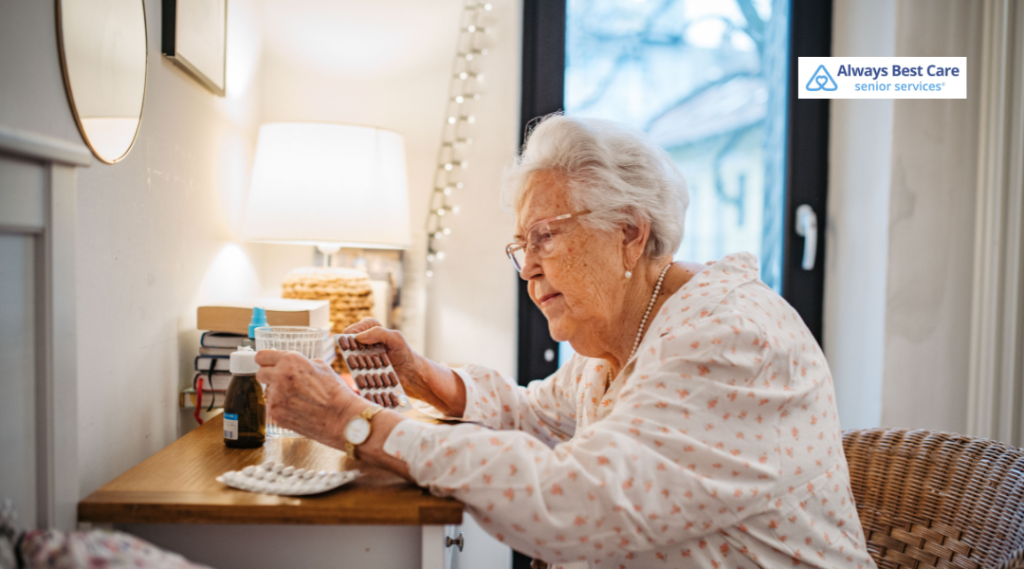
Reducing Stress for Argyle Families
Families often start by “just helping out,” then suddenly realize they’re doing more than they can sustain. A personalized care plan doesn’t only guide professional caregivers; it also helps families understand where they can realistically step in—and where they need backup.
Benefits for families include:
- A clear picture of what help is in place and when.
- Less guesswork about who’s doing what and which tasks are being covered.
- A shared framework for siblings or relatives to discuss next steps.
- Peace of mind that care is organized, not patched together day by day.
That clarity makes it easier to balance caregiving with work, health, and other responsibilities.
Examples of Personalized Care in Action
Here are a few ways a tailored plan might look in everyday life:
- Mrs. L, who loves cooking but has arthritis: The plan has caregivers handle heavy lifting, chopping, and cleanup while Mrs. L stirs, seasons, and chooses recipes—so she still feels like the cook.
- Mr. J, living with early dementia: Caregivers follow a consistent daily routine, provide gentle reminders, and use labels and cues, allowing him to stay involved in grooming, dressing, and simple chores.
- A couple with different needs: One spouse needs help with bathing and transfers; the other mainly needs companionship, transportation, and medication reminders. Their plan outlines separate supports so each gets what they personally need.
In each case, the plan is not just about “doing tasks”—it’s about preserving identity and autonomy.

FAQs: Personalized Care Plans for Argyle Seniors
Q: What’s the main difference between a personalized care plan and a standard one?
A: A personalized plan is built around one senior’s health, routines, and preferences, while a standard plan uses the same approach for everyone. Customized plans focus on supporting specific strengths and needs.
Q: How often should a care plan be updated?
A: Care plans should be reviewed regularly and any time there’s a significant change—after a fall, hospital stay, new diagnosis, or noticeable shift in memory, mobility, or mood.
Q: Do personalized care plans always mean more hours of care?
A: Not necessarily. A personalized plan may suggest targeted help at key times of day rather than constant care. It’s about matching the type and timing of support to what’s truly needed.
Q: Can families be involved in creating and adjusting the care plan?
A: They should be. Families know the senior’s history, habits, and priorities, and their input is crucial in shaping a plan that feels respectful and realistic.
Q: How do personalized care plans help seniors stay at home longer?
A: By addressing safety risks, supporting daily tasks, honoring preferences, and adapting over time, personalized plans reduce crises and make it more practical and comfortable for seniors to remain at home.
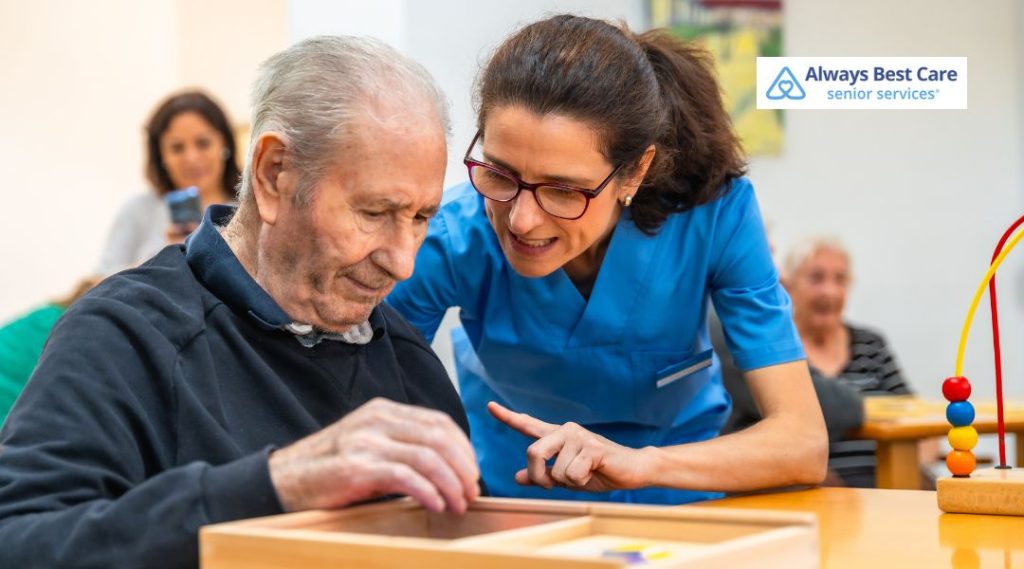
Independence Built on the Right Kind of Help
For Argyle seniors, staying independent isn’t about refusing help—it’s about getting the right help, in the right way, at the right time. Personalized care plans make that possible.
By tailoring support to each person’s health, routines, and goals, families can protect what matters most: safety, dignity, and the ability to keep living life on their own terms, in the homes and community they love.
Contact Always Best Care of Argyle at (940) 360-5011 to learn more and schedule your free consultation.
Link to the markdown version of this blog.