

Senior Hydration Tips and Support in Argyle, TX
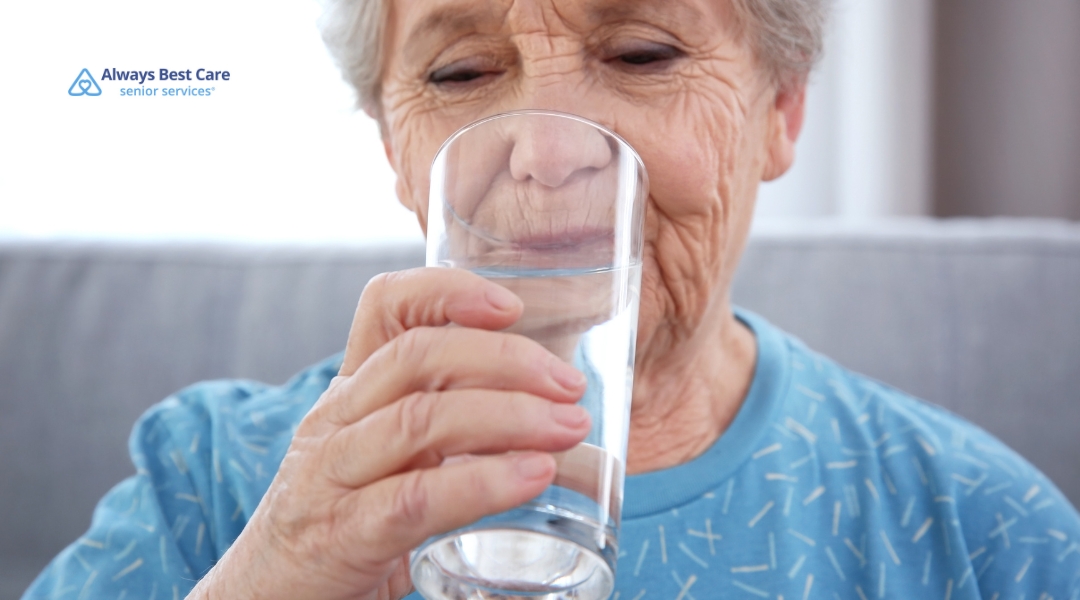
Seniors don’t always get the same “I need a drink” signal that younger folks do, and that can sneak up fast. As the body changes with age, staying hydrated takes a little more planning, a few smart habits, and a watchful eye from family or caregivers.
Table of Contents
What Readers Will Learn
- Why older adults may not recognize thirst as quickly as they once did.
- Common signs that may suggest a senior needs more fluids.
- Easy hydration habits that families can build into a senior’s daily routine.
- How caregivers can support meals, hydration reminders, and daily well-being at home.
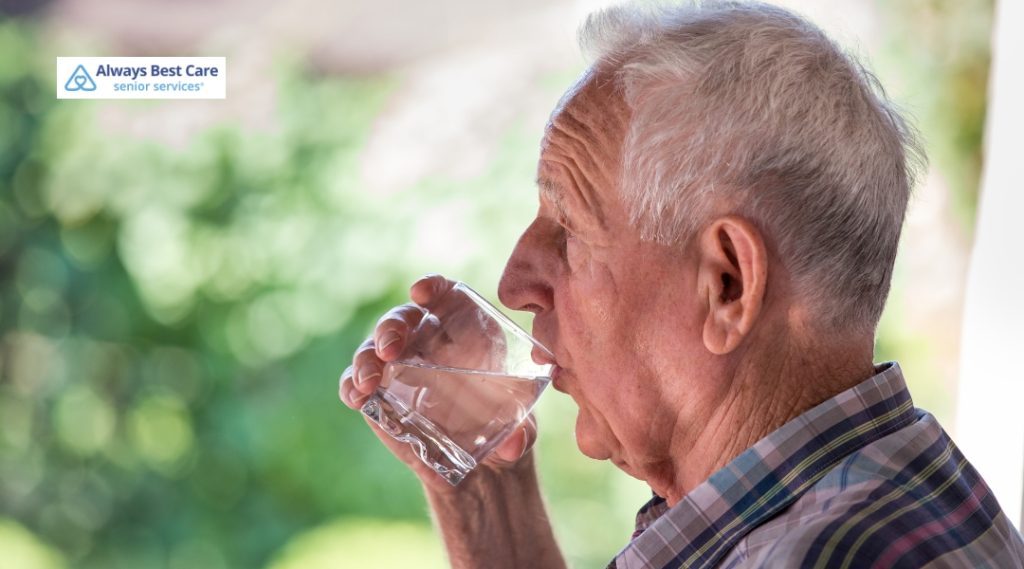
Why Seniors Don’t Always Feel Thirsty
As we get older, the body may not send thirst signals as clearly as it once did. In plain terms, a senior can already be running low on fluids before that dry-mouth feeling ever shows up.
A few things can get in the way of drinking enough:
- Lower kidney function
- Medications that pull water from the body
- Ongoing health concerns
- Trouble getting up for a drink
- Worry about too many bathroom trips
So, even if a loved one says they feel fine, they may still not be drinking enough.
Why Hydration Matters So Much
Water helps the body do a lot of behind-the-scenes work. It supports digestion, temperature control, blood pressure, and brain function. Without enough fluids, even a normal day can feel like a slog.
Dehydration may lead to:
- Tiredness
- Headaches
- Dizziness
- Constipation
- Confusion
- Low blood pressure
- A higher risk of falls
- Urinary tract infections
And truth be told, mild dehydration can turn into a bigger problem before anyone realizes it.

Warning Signs Families Should Watch For in Argyle, TX
Because thirst isn’t always a reliable clue, families and caregivers need to keep an eye out for small changes.
Watch for:
- Dry mouth or cracked lips
- Dark urine or not urinating often
- Dry skin
- Weakness
- Sudden confusion
- Feeling shaky when standing
- Less interest in food
If these signs show up quickly or seem to get worse, it’s a good idea to contact a healthcare provider.

How to Make Hydration Part of the Day in Argyle, TX
Waiting until thirst shows up can be a losing game. A better move is to build hydration into the day, little by little.
Here are a few easy habits:
- Drink a glass of water with each meal.
- Keep a water bottle close by.
- Set reminders on a phone or clock.
- Sip fluids during warm weather.
- Take small sips often instead of chugging all at once.
A steady routine goes a long way, and before you know it, drinking fluids becomes second nature.

Fluids Come from More Than Water
Water is still the best choice, but it isn’t the only way to add fluids. Plenty of foods and drinks help, too.
Good options include:
- Watermelon
- Cucumbers
- Strawberries
- Oranges
- Lettuce
- Broth-based soups
- Low-fat milk
- Herbal tea
- Yogurt
A plate with hydrating foods can be a simple, tasty way to support daily fluid needs.

How Caregivers Can Help
For seniors living alone or dealing with health issues, staying hydrated can be easier said than done. That’s where caregivers can step in and make life a bit smoother.
Caregivers can:
- Offer drinks throughout the day
- Prepare meals with watery fruits and vegetables
- Notice early signs of dehydration
- Encourage more fluids during hot weather or activity
- Share concerns with family members or a healthcare provider
Small reminders, repeated kindly, can make a big difference.

How Always Best Care of Argyle, TX Supports Healthy Hydration
At Always Best Care of Argyle, TX, we know that staying hydrated is a big part of staying well. We help seniors build daily routines that support healthy meals, regular drinking habits, and overall comfort at home.
Our caregivers can help with meal prep, hydration reminders, watching for changes in health, and friendly companionship. We’re here to support us and our loved ones in staying safe, comfortable, and independent at home.
FAQ
Q: Why don’t seniors always feel thirsty?
A: As the body ages, thirst signals can become less reliable, so a senior may not feel thirsty even when fluids are running low.
Q: What’s one easy way to help an older adult drink more water?
A: Keeping a water bottle within reach and offering a glass with every meal is a simple place to start.
Q: Can food help with hydration?
A: Yes. Foods like watermelon, cucumbers, oranges, and broth-based soups all add to daily fluid intake.
Q: What are the early signs of dehydration?
A: Dry mouth, dark urine, dizziness, weakness, and confusion are common early warning signs.
Q: How can we help a loved one stay hydrated at home?
A: A daily routine, gentle reminders, and support from caregivers can help make hydration easier to maintain.

Help Your Loved One Stay Hydrated at Home
At Always Best Care of Argyle, we help seniors maintain simple, healthy routines that support comfort and well-being at home. From hydration reminders and meal preparation to companionship and daily support, our caregivers help make healthy habits easier to manage.
Seniors may not always feel thirsty, but that doesn’t mean their bodies don’t need fluids. With steady habits, hydrating foods, and a little support from family or caregivers, dehydration can often be avoided before it starts.
Contact Always Best Care of Argyle at (940) 360-5011 to learn more and schedule your free consultation.
Link to the markdown version of this blog.