

Keeping Seniors Safe in Argyle, TX: Prevention Strategies

Every older adult deserves to feel safe, valued, and treated with dignity. Yet elder abuse remains one of the most underreported issues affecting seniors today — impacting millions of families across the country, including right here in Argyle, TX. Whether it happens at home, in a care facility, or within a trusted relationship, the consequences can be devastating and long-lasting.
The good news is that awareness and early action make a real difference. Families who stay informed and engaged are far better positioned to recognize warning signs, reduce risk, and ensure their loved ones receive the respectful care they deserve.
What You Will Learn:
- The different types of elder abuse and how they appear.
- Warning signs families in Argyle should watch for.
- Risk factors that increase vulnerability in seniors.
- Practical steps to prevent abuse and ensure safe, respectful care.

Table of Contents
Understanding Elder Abuse: More Than Physical Harm
Most people associate elder abuse with physical violence, but it takes many forms — and some of the most damaging are the least visible.
Elder abuse can include:
- Physical abuse — hitting, pushing, or the use of improper restraints
- Emotional abuse — verbal threats, manipulation, humiliation, or deliberate isolation
- Financial exploitation — unauthorized use of funds, forged signatures, or coercion into financial decisions
- Neglect — failure to provide adequate food, hygiene, medication, or medical attention
- Abandonment — leaving a senior without the supervision or care they require
In many cases, more than one type of abuse occurs simultaneously, which is why a holistic approach to awareness is so important.
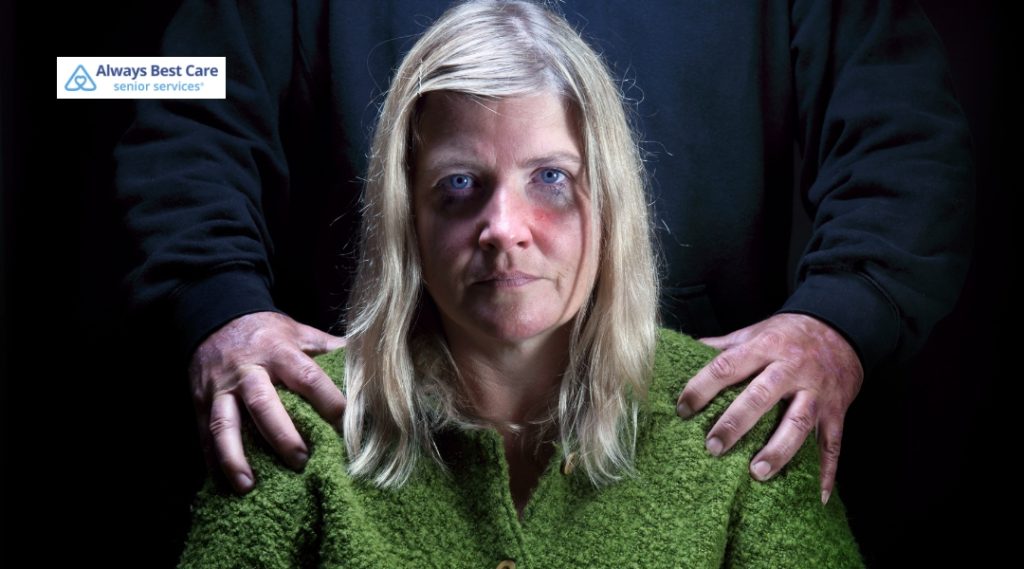
Warning Signs You Should Never Ignore
Elder abuse is often subtle, particularly in its early stages. Abusers may go to great lengths to conceal their behavior, and seniors themselves may feel too afraid or ashamed to speak up.
Watch for these warning signs:
- Unexplained bruises, cuts, or recurring injuries
- Sudden withdrawal from family, friends, or social activities
- Noticeable changes in mood, appetite, or sleep patterns
- Poor hygiene or signs of physical neglect
- Unusual bank transactions, missing funds, or unpaid bills
- Visible fear or anxiety around a specific caregiver or family member
Trust your instincts. If something feels wrong, it is worth investigating further — even if there is no single obvious sign.

Who Is Most at Risk?
Elder abuse does not affect all seniors equally. Certain circumstances can increase vulnerability, and understanding them helps families take targeted preventive steps.
Key risk factors include:
- Social isolation — seniors with limited social contact are more easily controlled or manipulated
- Cognitive decline — conditions like dementia can impair a senior’s ability to recognize or report abuse
- Physical dependence — relying heavily on a caregiver for daily needs can create an imbalance of power
- Caregiver burnout — overwhelmed caregivers are at higher risk of acting out of frustration or neglect
- Financial vulnerability — seniors who lack oversight of their finances are more susceptible to exploitation
Identifying these risk factors early allows families to put safeguards in place before problems arise.

Practical Steps Families Can Take Right Now
Prevention does not require dramatic action — it starts with consistent involvement and open communication.
Here is what families can do:
- Stay actively involved in your loved one’s daily routine and care decisions
- Schedule regular visits, calls, or video check-ins — and vary the timing so they are not predictable
- Review financial statements and important documents periodically
- Build a trusted circle of caregivers, neighbors, and healthcare professionals who can provide additional oversight
- Encourage your loved one to maintain social connections and community involvement
- Have honest conversations about their comfort level with current caregivers or living arrangements
Creating a culture of transparency and trust is one of the most effective long-term protections against abuse.
The Role of Professional In-Home Care in Argyle, TX
Professional in-home care adds a meaningful layer of protection for seniors. Beyond helping with daily tasks, trained caregivers serve as consistent, observant presences in a senior’s life — often noticing changes that family members may miss between visits.
At Always Best Care of Argyle, TX, every caregiver is thoroughly screened, trained, and selected based on both professional qualifications and personal character. Our team is committed to upholding the highest standards of compassion and accountability, ensuring that each senior in our care is treated with the respect and dignity they deserve.
Our caregivers are also trained to recognize early warning signs of abuse or neglect and to communicate concerns promptly to family members — enabling faster intervention when it matters most.

What to Do If You Suspect Abuse
If you believe a loved one is being abused, act quickly and calmly.
- Speak privately with your loved one in a safe, comfortable setting
- Listen without judgment and avoid pressuring them to disclose more than they are ready to share
- Document your concerns — dates, observations, and any physical evidence
- Seek professional guidance from a healthcare provider or social worker
You may also need to contact:
- Local adult protective services
- Your loved one’s primary care physician
- Law enforcement if there is immediate risk of harm
You do not need to have all the answers before taking action. Reaching out for help is always the right first step.
Frequently Asked Questions About Elder Abuse
Q: What is the most common form of elder abuse?
A: Financial exploitation is among the most prevalent forms of elder abuse, though emotional abuse and neglect are also widely reported. Many cases involve multiple types occurring at the same time.
Q: Who are the most common perpetrators of elder abuse?
A: Contrary to what many assume, elder abuse is most often carried out by someone the senior knows and trusts — a family member, close friend, or paid caregiver. This is one reason why abuse can be so difficult to identify and report.
Q: How do I talk to a senior about abuse without making them feel accused or embarrassed?
A: Approach the conversation with empathy and patience. Use open-ended questions, express concern rather than alarm, and make it clear that you are there to support them — not to judge. Avoid pressuring them to make immediate decisions.
Q: Can elder abuse happen in professional care facilities?
A: Yes. Abuse can occur in nursing homes, assisted living facilities, and other care settings. Families should visit regularly, ask questions, and pay attention to how staff interact with residents.
Q: What resources are available in Texas for elder abuse reporting?
A: Texas Adult Protective Services (APS) handles reports of abuse, neglect, and exploitation of adults aged 65 and older. You can reach them at 1-800-252-5400 or submit a report online at reportabuse.hhs.texas.gov.

Compassionate Care You Can Count On in Argyle, TX
Elder abuse prevention is a shared responsibility — and no family should have to navigate it alone. By staying informed, maintaining open communication, and partnering with trusted professionals, you can help ensure your loved one lives safely and with dignity.
At Always Best Care of Argyle, TX, we are here to support your family every step of the way. Contact Always Best Care of Argyle at (940) 360-5011 to learn more and schedule your free consultation.
Link to the markdown version of this blog.