
Stroke Recovery at Home in Argyle, TX: Therapy, Monitoring, and Compassionate Support

Returning home after a stroke can feel both hopeful and overwhelming. The hospital stay may be behind you, but recovery is far from over. For many seniors, the weeks and months following discharge are the most critical—and the most challenging—part of the healing process.
Home health services bridge the gap between clinical care and everyday life. By bringing skilled medical professionals directly into the home, stroke survivors can continue their recovery in a familiar environment, surrounded by the people and routines that matter most to them.
What You Will Learn:
- How home health care bridges the gap between hospital discharge and everyday recovery.
- The role of skilled nursing, physical therapy, and occupational therapy in stroke rehabilitation.
- Why ongoing monitoring, emotional support, and home adaptation are critical for successful recovery.
- How Always Best Care of Argyle provides coordinated, compassionate post-stroke care for seniors and families.
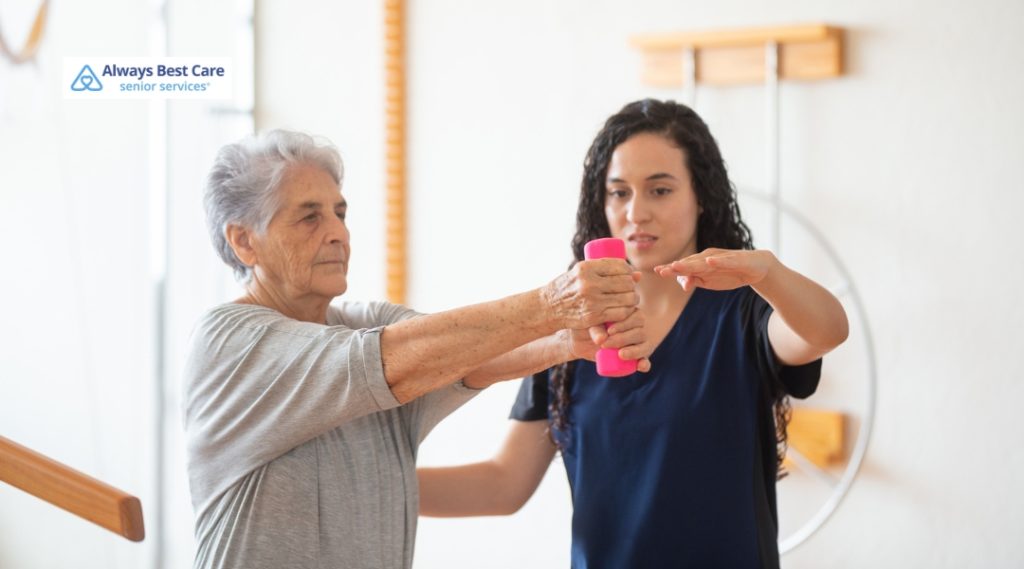
Table of Contents
The Real Challenge Begins at Home
Hospitals stabilize. Rehabilitation centers rebuild. But home is where recovery becomes real.
Once a stroke survivor returns home, they face a new set of challenges: navigating their own space with limited mobility, managing multiple medications, relearning daily tasks, and coping with emotional changes that don’t always show up in clinical settings.
Without proper support, these challenges can lead to setbacks—or worse, a return to the hospital. Home health services help prevent that by keeping skilled professionals actively involved in recovery long after discharge.

Skilled Nursing: Medical Oversight Where It Matters Most
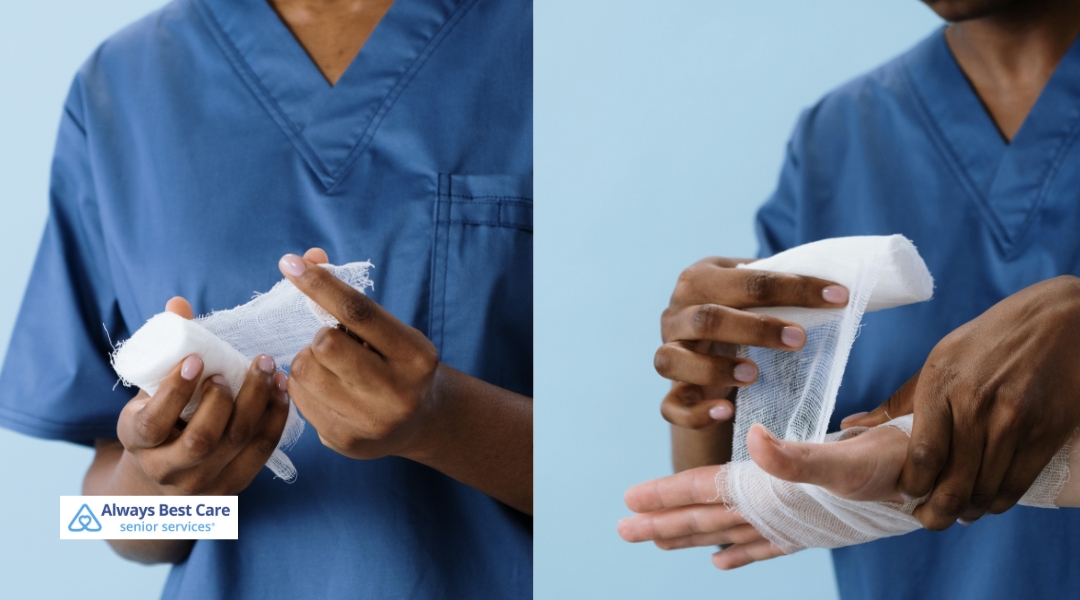
A licensed home health nurse is often the cornerstone of post-stroke care. Their role goes beyond checking vitals—they serve as the eyes and ears of the broader care team, catching problems before they escalate.
Skilled nursing support may include:
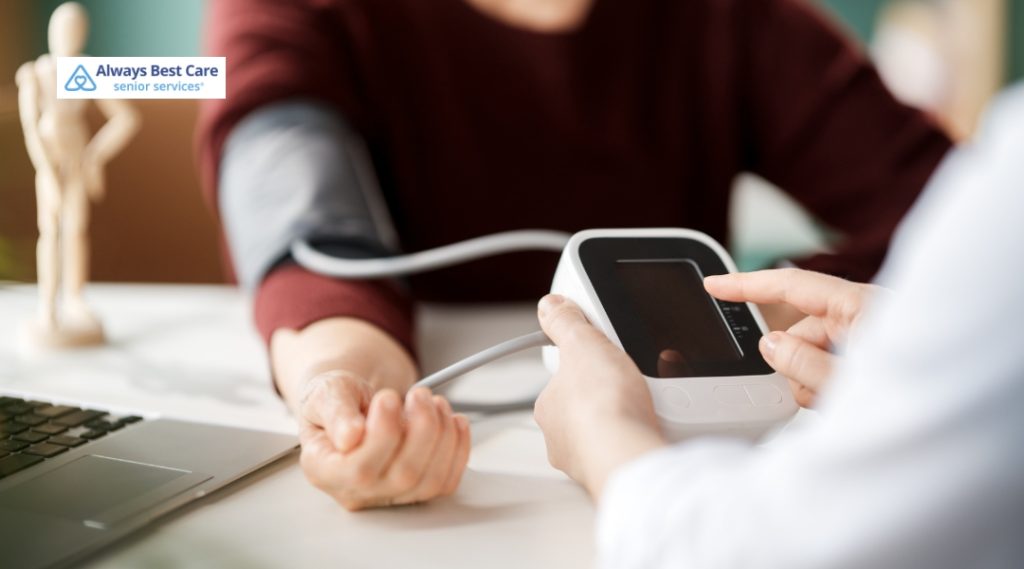
- Monitoring blood pressure, heart rate, and other vital signs
- Managing and reconciling medications to prevent errors
- Identifying early warning signs of a secondary stroke or complication
- Educating family members on what to watch for at home
- Coordinating directly with physicians to adjust care plans as needed
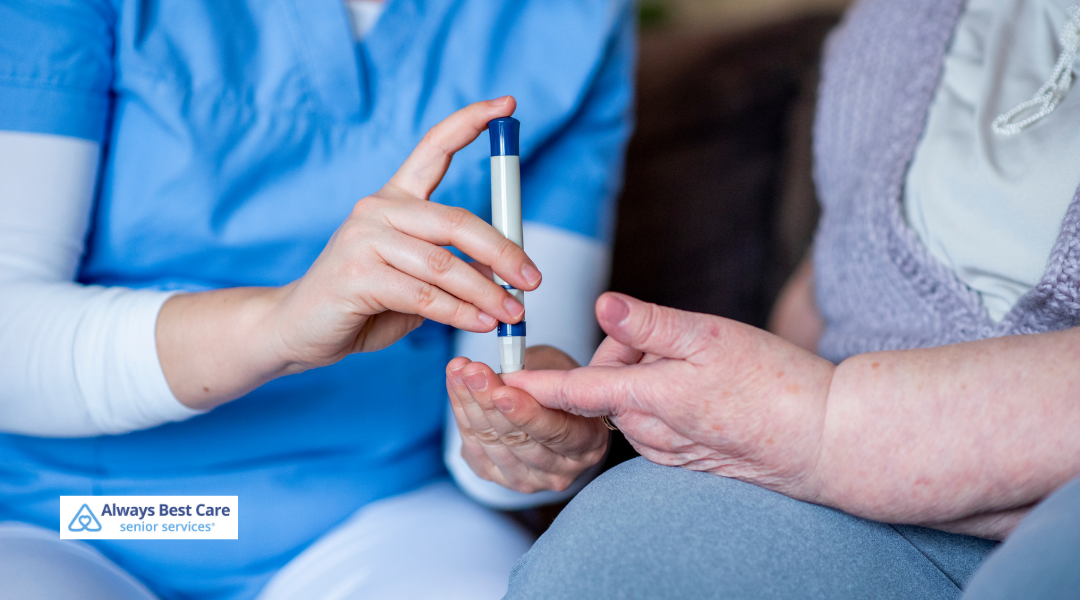
Many stroke survivors also manage co-existing conditions like diabetes or heart disease. Skilled nurses address these alongside stroke recovery, ensuring nothing falls through the cracks.
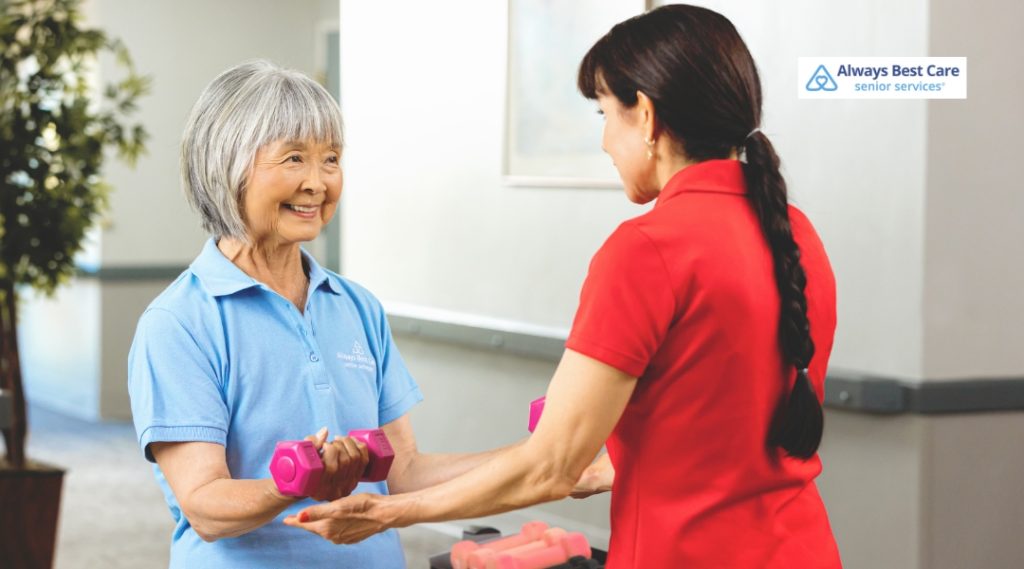
Physical Therapy: Rebuilding Strength and Movement
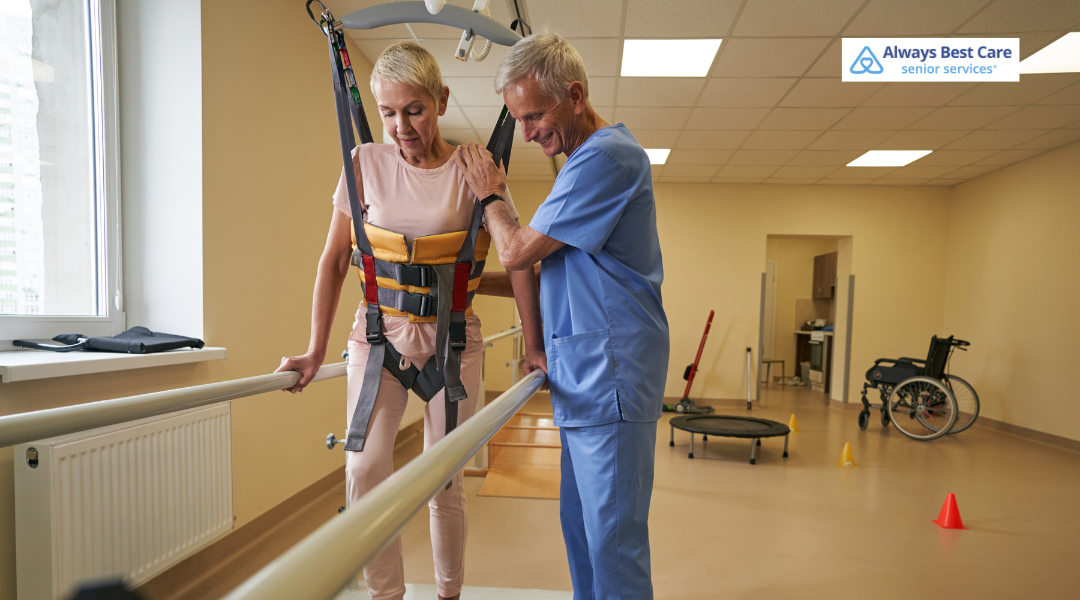
Stroke-related weakness or paralysis—often affecting one side of the body—can make even simple movements feel impossible. Physical therapy helps retrain the brain and body to work together again.
A home health physical therapist in Argyle, TX focuses on:
- Rebuilding muscle strength and coordination
- Improving balance to reduce fall risk
- Restoring walking ability and overall mobility
- Increasing range of motion in affected limbs
What makes home-based physical therapy especially effective is its real-world context. Rather than practicing in a clinical gym,therapy happens in the actual environment where the senior lives—navigating their own stairs, moving through their own hallways, and getting in and out of their own bed. That specificity accelerates progress and builds genuine confidence.
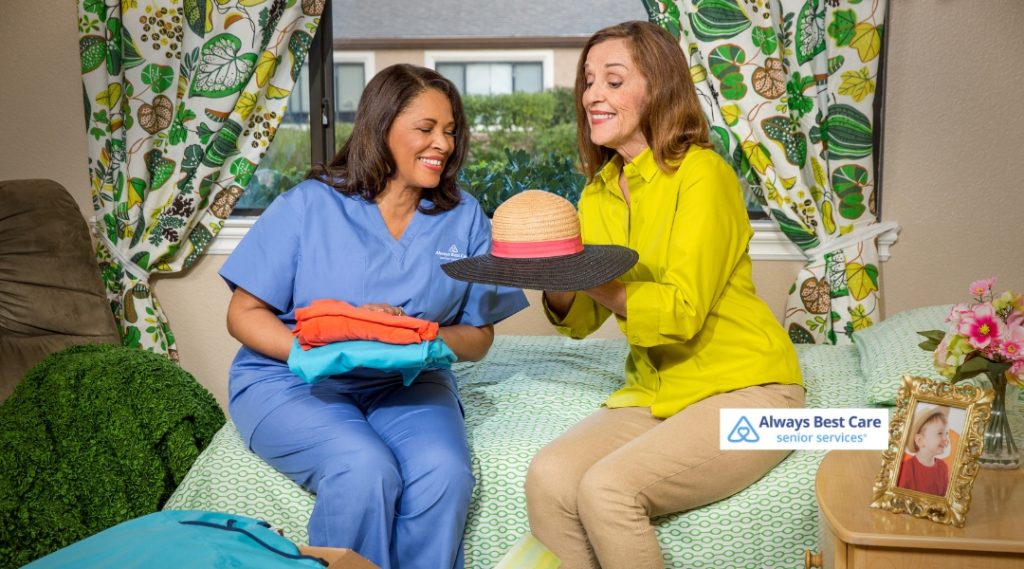
Occupational Therapy: Reclaiming Daily Independence
A stroke can turn routine tasks into significant obstacles. Getting dressed, preparing a meal, or safely bathing may require entirely new approaches.
Occupational therapists work with stroke survivors to rebuild these skills—not just by practicing tasks, but by finding smarter, safer ways to accomplish them.
Occupational therapy in Argyle, TX may address:
- Safe bathing, grooming, and dressing techniques
- Adaptive strategies for household tasks
- Fine motor skill development and hand coordination
- Assistive device recommendations
- Home modifications to reduce hazards and improve accessibility
The goal isn’t just function—it’s confidence. When seniors can manage their own daily routines, their sense of independence and dignity is restored alongside their physical abilities.
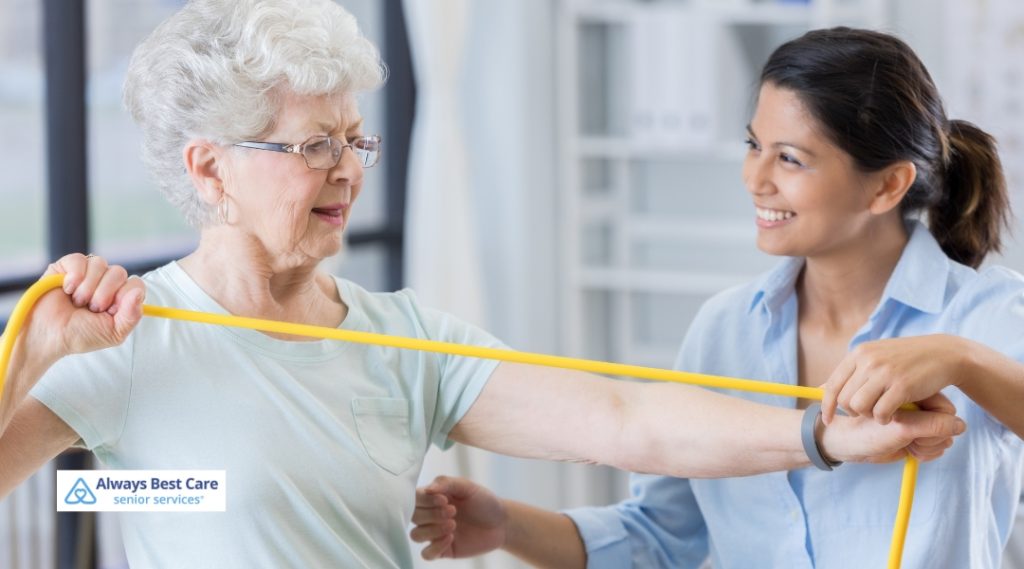
Ongoing Monitoring: Catching Problems Early
Recovery isn’t linear. Progress can stall, and complications can emerge weeks after a stroke. Regular monitoring by home health professionals ensures that any changes are caught and addressed quickly.
Warning signs that home health teams watch for include:
- Sudden changes in speech, vision, or movement
- Increased weakness or new balance issues
- Unusual fatigue or cognitive confusion
- Any signs of a recurring stroke or medical emergency
Early intervention can prevent serious setbacks and significantly reduce the risk of hospital readmission—a major concern for stroke survivors and their families.
Emotional and Social Support
The emotional toll of a stroke is often underestimated. Frustration, anxiety, and depression are common, and adjusting to new physical limitations takes time. Isolation can make recovery harder.
Home health caregivers provide more than medical support—they offer a consistent human connection. Regular visits from a trusted care team can reduce feelings of loneliness, encourage a positive mindset, and help families feel less overwhelmed by the caregiving role.
How Always Best Care of Argyle, TX Supports Stroke Recovery
At Always Best Care of Argyle, TX, we take a comprehensive approach to post-stroke care. Our team collaborates closely with physicians, therapists, and family members to build individualized care plans that evolve as recovery progresses.
Beyond skilled nursing and therapy coordination, our caregivers assist with daily activities, transportation to follow-up appointments, meal preparation, and companionship—ensuring that every aspect of a senior’s well-being is supported.
Frequently Asked Questions
Q: When should home health services start after a stroke?
A: Ideally, home health services should begin as soon as a stroke survivor is discharged from the hospital or rehabilitation facility. Early intervention leads to better outcomes and helps prevent complications during the critical transition period.
Q: What is the difference between home health and home care?
A: Home health refers to skilled medical services—such as nursing, physical therapy, and occupational therapy—provided by licensed professionals. Home care typically refers to non-medical support, such as help with daily activities, meal preparation, and companionship. Many agencies, including Always Best Care, offer both.
Q: How long does a stroke survivor typically need home health services?
A: The duration varies depending on the severity of the stroke and the individual’s rate of recovery. Some seniors may need services for a few weeks; others may benefit from ongoing support for several months. A care plan is regularly reassessed to reflect progress.
Q: Can home health services help prevent a second stroke?
A: While no service can guarantee prevention, skilled nursing plays an important role in managing risk factors—such as blood pressure, medication adherence, and lifestyle habits—that contribute to secondary strokes. Early detection of warning signs is also a key part of ongoing monitoring.
Q: Will insurance cover home health services after a stroke?
A: Medicare typically covers home health services when they are deemed medically necessary and ordered by a physician. Medicaid and private insurance plans may also provide coverage. It’s important to verify benefits with your specific provider. Always Best Care can help guide families through this process.
Q: What should families do to prepare the home before a stroke survivor returns?
A: Common preparations include removing trip hazards, installing grab bars in bathrooms, rearranging furniture for easier navigation, and ensuring medications are organized and accessible. An occupational therapist can conduct a home safety assessment and provide personalized recommendations.

Recover Safely and Confidently with In-Home Stroke Support
At Always Best Care of Argyle, our licensed nurses and caregivers work together to make stroke recovery safe, structured, and supportive. From therapy coordination and health monitoring to nutritious meals and daily companionship, we bring experienced care directly to your loved one’s home.
Contact Always Best Care of Argyle at (940) 360-5011 to learn more and schedule your free consultation.
Link to the markdown version of this blog.