
From Hospital to Home: Stroke Recovery Support, Therapy, and Monitoring in Ft. Worth, TX

Returning home from the hospital after a stroke is a significant milestone—but it is also the point where consistent, skilled support becomes essential. The weeks and months following discharge are critical for long-term recovery, and the quality of care during this period can directly influence how much function a survivor regains.
Home health services bridge the gap between inpatient rehabilitation and independent living. By delivering medical care, therapy, and monitoring directly in the home, these services allow stroke survivors in Ft. Worth to continue progressing in a familiar, low-stress environment—without the physical and emotional burden of frequent clinic visits.
What you will learn:
- How home health services support stroke recovery after returning home in Bristol.
- The role of skilled nursing, physical therapy, and occupational therapy in rebuilding independence.
- Ongoing monitoring and early detection are essential to prevent setbacks.
- How compassionate, in-home support helps improve both physical recovery and emotional well-being.
Table of Contents
The Real Challenges of Stroke Recovery at Home
No two strokes are alike. Depending on which area of the brain was affected, survivors may face a wide range of challenges—partial paralysis, difficulty speaking, memory gaps, impaired balance, or trouble with fine motor tasks. Many of these deficits are not fully apparent during a short hospital stay and often become more apparent once a person returns to their daily environment.
Family members frequently find themselves unprepared for the level of care required. Without professional guidance, well-meaning support can sometimes slow recovery or increase fall risk. Home health services provide structure, clinical expertise, and a clear plan—giving both survivors and families a more confident path forward.

Skilled Nursing: Medical Oversight Where It Matters Most
Skilled nursing is typically among the first home health services introduced after a stroke. A licensed nurse visits regularly to provide medical oversight and ensure recovery is progressing safely.
Home health nurses in Ft. Worth assist with:
- Monitoring blood pressure, heart rate, and other vital signs
- Managing medications and verifying correct dosing schedules
- Identifying early warning signs of complications or a secondary stroke
- Educating family members on care routines and what to watch for
- Coordinating with the patient’s physicians and specialists to keep the care plan aligned
For stroke survivors managing additional conditions such as diabetes, hypertension, or heart disease, skilled nurses integrate management of those conditions into the overall recovery plan—reducing the risk of compounding health issues.
Physical Therapy: Rebuilding Strength and Movement
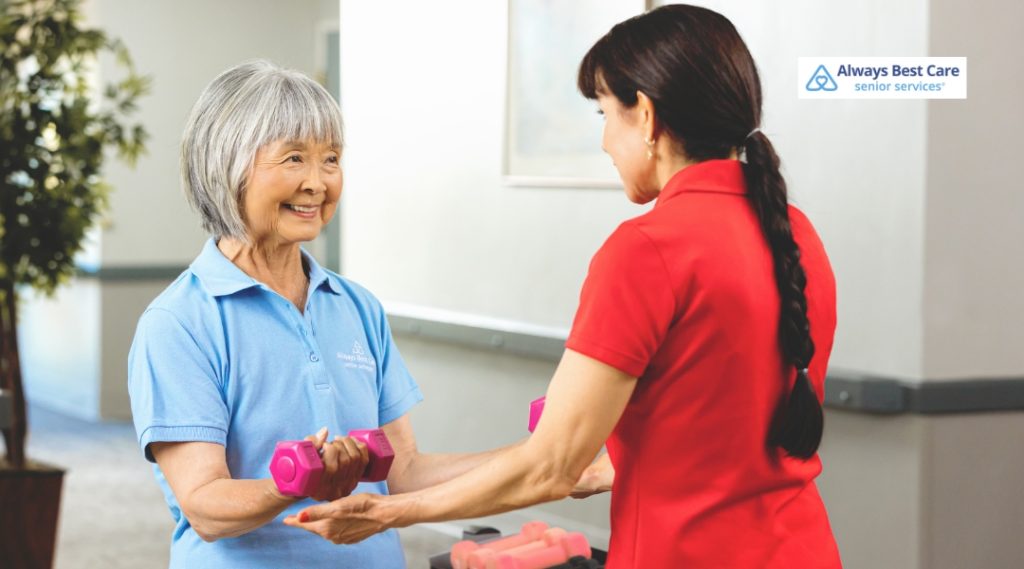
Weakness or paralysis on one side of the body is one of the most common effects of stroke. Physical therapy focuses on restoring as much movement and function as possible through targeted, progressive exercise.
A home health physical therapist works with Ft. Worth seniors to improve:
- Muscle strength and neuromuscular coordination
- Balance, stability, and fall prevention
- Walking ability and safe mobility throughout the home
- Range of motion in affected arms and legs
Because therapy takes place at home, exercises are directly tied to the patient’s real environment. A therapist can assess how a senior navigates their specific staircase, hallway, or bathroom—and tailor exercises accordingly. This practical focus accelerates functional recovery and reduces fall risk in the spaces that matter most.
Occupational Therapy: Relearning Everyday Life
Physical recovery is only part of the picture. After a stroke, tasks that once required no thought—getting dressed, preparing a meal, bathing safely—may suddenly demand significant effort or entirely new approaches.
Occupational therapists help stroke survivors rebuild these daily living skills and develop strategies that support independence over the long term.
Occupational therapy in Ft. Worth may include:
- Relearning safe bathing, grooming, and dressing techniques
- Adapting approaches to household tasks
- Rebuilding fine motor skills and hand-eye coordination
- Identifying and recommending assistive devices
- Modifying the home layout to reduce hazards and improve accessibility
These interventions restore a sense of normalcy and self-sufficiency—both of which are closely tied to emotional recovery as well.

Ongoing Monitoring: Catching Problems Early
Stroke recovery is rarely linear. Progress can plateau, and complications can emerge weeks after discharge. Regular monitoring by home health professionals ensures that changes are caught early—before they become serious setbacks.
Home health teams watch for:
- Sudden shifts in speech, cognition, or movement
- Increased weakness or new balance issues
- Unusual fatigue or confusion
- Signs of a secondary stroke or other medical complication
Early intervention not only protects the patient’s health—it also reduces the likelihood of hospital readmission, which can significantly disrupt recovery momentum.
Emotional and Social Support
The psychological impact of stroke is often underestimated. Depression, anxiety, and frustration are common among survivors, particularly as they confront new limitations in their daily lives. Isolation can compound these challenges, especially for seniors who live alone or have limited social contact.
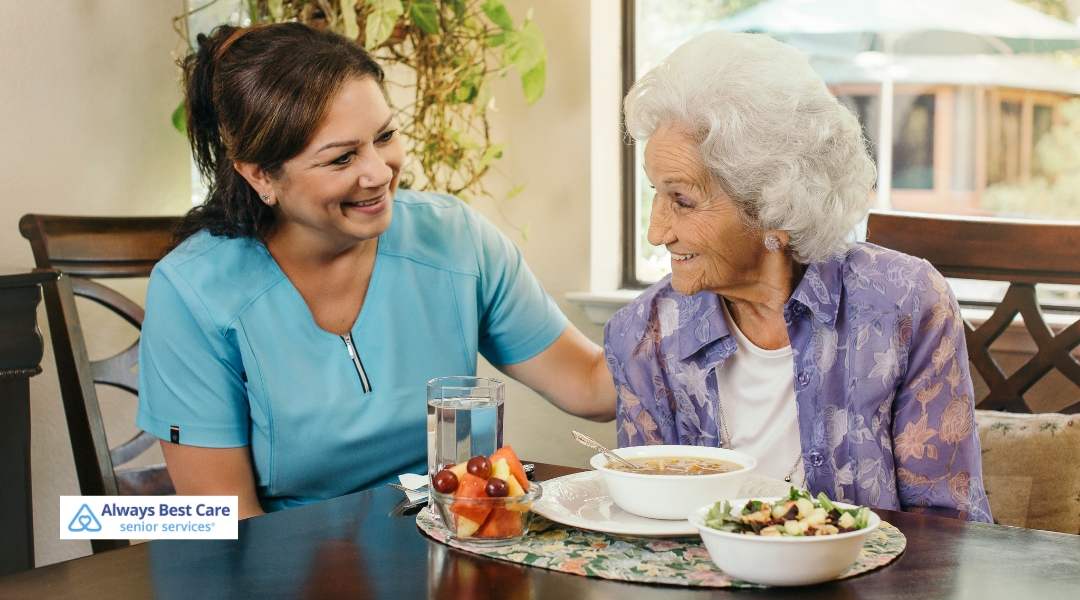
Home health caregivers provide more than clinical support. Regular visits from familiar, compassionate professionals offer consistency and human connection—both of which play a meaningful role in sustaining motivation and emotional resilience throughout recovery.
How Always Best Care of Ft. Worth Supports Stroke Recovery
At Always Best Care of Ft. Worth, we take a comprehensive approach to stroke recovery at home. Our team coordinates closely with physicians, therapists, and family members to build care plans that reflect each patient’s specific needs and goals.
Beyond skilled nursing and therapy, our caregivers assist with daily activities, transportation to follow-up appointments, meal preparation, and companionship—ensuring that no aspect of recovery is left unaddressed.
If your loved one is returning home after a stroke, we are here to help. Call Always Best Care of Ft. Worth today at 817-704-2021 to schedule a care consultation.
Frequently Asked Questions
When should home health services begin after a stroke?
Ideally, home health services should begin as soon as a stroke survivor is discharged from the hospital or rehabilitation facility. Early intervention leads to better outcomes, and a care team can be arranged in advance of discharge with proper planning.
How long does home health care typically last after a stroke?
Duration varies based on the severity of the stroke and the individual’s rate of recovery. Some patients require home health services for a few weeks; others benefit from ongoing support for several months. Care plans are regularly reassessed and adjusted as the patient progresses.
What is the difference between home health and home care?
Home health refers to medically-focused services provided by licensed professionals—such as skilled nurses, physical therapists, and occupational therapists. Home care typically refers to non-medical support, such as assistance with daily activities, companionship, and transportation. Always Best Care of Ft. Worth provides both.
Can home health services help prevent a second stroke?
While no service can guarantee prevention, skilled nurses closely monitor risk factors such as blood pressure, medication adherence, and warning signs. This oversight can help identify and address conditions that increase the risk of a secondary stroke.
How do I know if my loved one qualifies for home health services?
Eligibility is generally determined by a physician’s referral and an assessment of the patient’s medical needs. A member of our team can help guide you through the process and coordinate with your loved one’s healthcare providers to determine the most appropriate level of care.
Link to the Markdown File version of this article.