

Is Your Aging Parent’s Blood Sugar Shifting? Red Flags Ft. Worth Families Shouldn’t Ignore
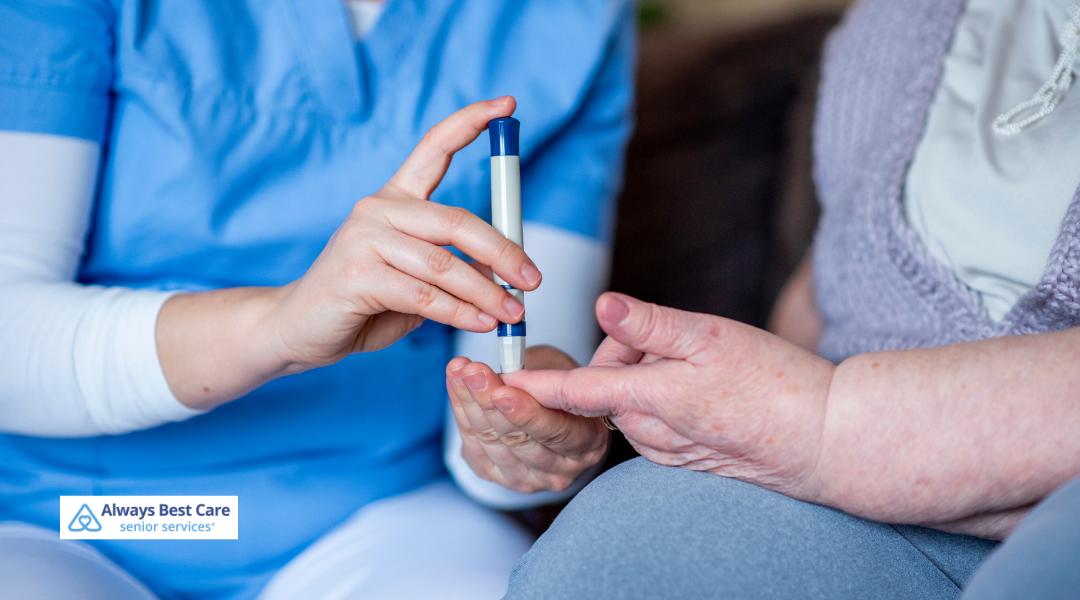
Blood sugar doesn’t always play by the rules, especially as we get older. A senior in Ft. Worth, TX may have managed diabetes for years, then suddenly things feel off—more fatigue, changes in appetite, or odd confusion that crops up out of nowhere. That’s where families, friends, and us at Always Best Care of Ft. Worth, TX come in. By spotting warning signs early and keeping steady routines, we can help seniors stay safer, healthier, and more independent.
What you will learn:
- Why blood sugar can become harder to manage as your loved one ages, and what everyday factors play a role.
- The key warning signs of both low and high blood sugar that Ft. Worth families should never overlook.
- How simple, steady daily routines can make a real difference in keeping diabetes under control.
- When it might be time to bring in extra support at home, and how Always Best Care of Ft. Worth, TX can help your family feel confident and cared for.

Table of Contents
Why Blood Sugar Changes with Age in Ft. Worth, TX
As people age, diabetes management can get trickier. It’s not just about the numbers on a glucose meter—it’s about everything that affects those numbers.
Common reasons blood sugar becomes harder to manage:
- Multiple health issues at the same time
- More medications, some of which affect blood sugar
- Changes in kidney function, which can influence how the body handles insulin and medication
- Reduced appetite or eating less during illness
- Less movement or activity
- Memory changes, leading to missed meals or forgotten medications
- Shifts in daily habits, like sleeping or eating at different times
That’s why regular blood sugar checks and ongoing communication with healthcare providers are so important. Small changes can snowball if we’re not paying attention.
Recognizing Low Blood Sugar in Older Adults
Low blood sugar (hypoglycemia) happens when glucose drops below a healthy range. It can come on quickly, and in older adults, it’s easy to mistake for “just getting older.”
Common causes:
- Diabetes medications
- Eating too little or skipping meals
- Sudden increase in physical activity
- Illness or other health changes
Warning Signs of Low Blood Sugar
Watch for:
- Shaking or sweating
- Dizziness or weakness
- Sudden hunger
- Headache
- Irritability or anxiety
- Trouble focusing
- Confusion
- Clumsy movements or poor coordination
In seniors, these signs can blend in with everyday aging. Still, sudden confusion, weakness, or unusual behavior should never be brushed off as normal aging. Severe low blood sugar can lead to seizures or unconsciousness and needs urgent medical help.

Recognizing High Blood Sugar in Older Adults
High blood sugar (hyperglycemia) usually creeps up slowly. Because of that, warning signs can be easy to overlook until complications appear.
Warning Signs of High Blood Sugar
Common signs include:
- Increased thirst
- Frequent urination
- Blurred vision
- Ongoing fatigue or weakness
- Headaches
- Unexplained weight loss
- Cuts or wounds that heal slowly
If high blood sugar sticks around, it can damage the eyes, kidneys, nerves, heart, and blood vessels. Very high levels can cause sudden serious problems like major confusion, severe weakness, or trouble breathing. In those moments, calling for emergency help is critical.
Watching for Changes in a Senior’s Usual Routine
You don’t need a medical degree to spot trouble. You just need to know what’s normal for your loved one—and notice when things change.
Ask yourself:
- Is Mom suddenly much more tired than usual?
- Is Dad drinking water nonstop and rushing to the bathroom?
- Has a usually sharp and steady loved one started acting confused or unsteady?
These changes deserve attention, not dismissal. If a loved one in Ft. Worth, TX has diabetes, families can:
- Ask the doctor what blood sugar range is best for them
- Learn how often glucose should be checked
- Clarify which symptoms mean “call the doctor”
- Know which signs are an emergency and require immediate help
Staying curious and asking questions can make a big difference.
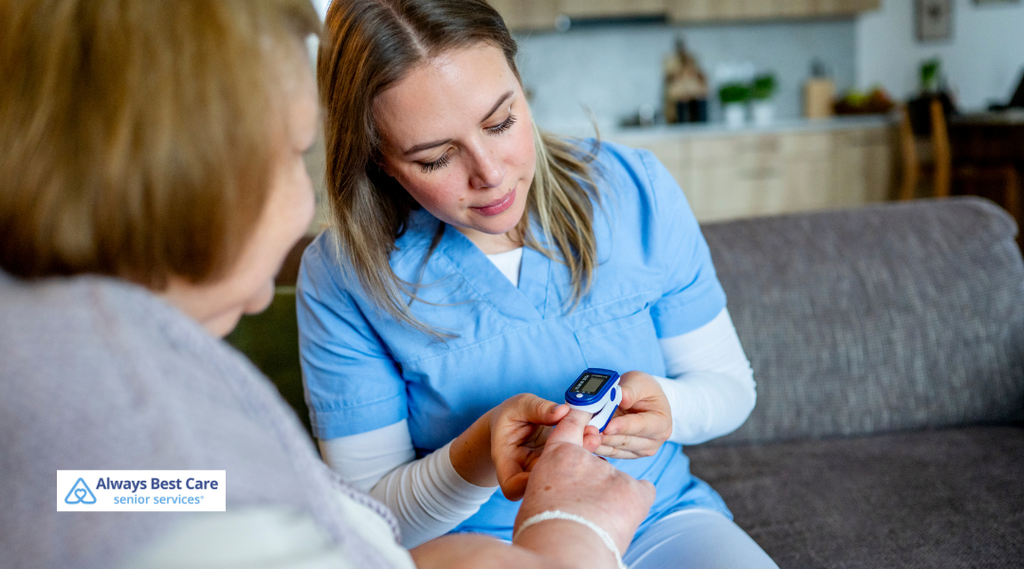
How Routine Helps Make Diabetes Easier to Manage
Consistency is a quiet hero in diabetes care. Predictable habits help keep blood sugar closer to the range suggested by the doctor.
Helpful daily routines:
- Eating meals and snacks on a regular schedule
- Taking medications exactly as prescribed
- Checking blood glucose as directed
- Drinking enough water
- Moving safely through appropriate physical activity
- Keeping up with medical appointments
Families should also share a full list of medications and supplements with the doctor. Even small changes in treatment can affect blood sugar, so it’s better for everyone to be on the same page.
When Memory or Mobility Problems Complicate Diabetes Care in Ft. Worth, TX
Diabetes care involves a lot of details: medications, meals, blood sugar checks, appointments—it’s a lot to juggle.
Memory changes can lead to:
- Missed doses of medication
- Skipped meals
- Forgotten glucose checks
- Confusion about instructions
Mobility and physical challenges can cause:
- Difficulty testing blood sugar because of tremors, arthritis, or vision changes
- Trouble preparing healthy meals
- Challenges getting to appointments
These are strong signals that extra support at home could help keep a loved one safer and more comfortable.

How Always Best Care of Ft. Worth, TX Can Help
Living with diabetes is about far more than numbers—it’s about everyday life. Always Best Care of Ft. Worth, TX caregivers help weave safer habits into daily routines so seniors don’t have to navigate everything alone.
We can support seniors by:
- Preparing balanced, diabetes-friendly meals
- Offering friendly reminders for medications and glucose checks
- Encouraging regular drinking of water
- Supporting safe, appropriate movement
- Providing rides to doctor appointments
- Noticing changes in mood, energy, or behavior and sharing concerns with families or healthcare providers
For seniors who qualify for home health services, trained healthcare professionals can provide added support based on the doctor’s care plan—giving families extra peace of mind.
Helping Your Loved One Stay Safe with Diabetes in Ft. Worth, TX
Blood sugar can shift quickly, and older adults may not always notice—or may not be able to explain—how they’re feeling. By staying involved and paying attention to routines, families can spot trouble early and act fast.
If a loved one has diabetes and needs more help at home, we at Always Best Care of Ft. Worth, TX, are ready to step in with compassionate support that fits their daily life. Call us at (817)214-2860; a simple conversation can be the first step toward safer routines and better quality of life.

FAQ: Blood Sugar Changes in Older Adults in Ft. Worth, TX
Q: What are the most common warning signs of blood sugar changes in older adults?
A: Common signs include sudden fatigue, confusion, increased thirst, frequent urination, shaking, sweating, blurred vision, and unusual behavior. Any sudden change from a loved one’s usual routine deserves attention.
Q: How often should an older adult with diabetes check their blood sugar?
A: The best schedule depends on the doctor’s guidance, the type of diabetes, and medications. Families should ask the healthcare provider for a clear, written plan and follow it as closely as possible.
Q: What should families do if they notice signs of low blood sugar?
A: If symptoms are mild, follow the doctor’s instructions—usually involving fast-acting carbohydrates like juice or glucose tablets. If the person is confused, has seizures, or passes out, seek emergency medical help immediately.
Q: How can we help a loved one in Ft. Worth, TX who keeps forgetting medications or meals?
A: Setting up reminders, organizing pill boxes, planning simple meals, and involving us at Always Best Care of Ft. Worth, TX for daily support can help keep routines steady and safer.
Q: What kind of support does Always Best Care of Ft. Worth, TX provide for seniors with diabetes?
A: We help with meal preparation, medication reminders, hydration, safe movement, rides to appointments, and watching for changes that should be shared with families or healthcare providers. For qualifying seniors, home health services can add medical support as well.