
Home Care for Veterans With PTSD: A Personalized Approach for Mid-Cities Families
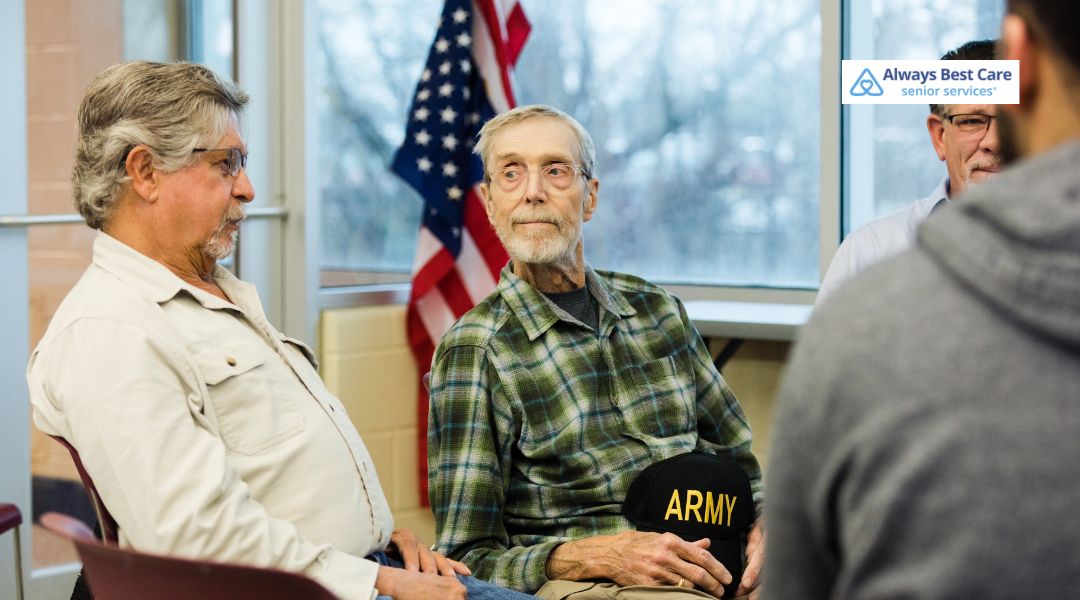
Every Veteran’s experience with posttraumatic stress disorder, or PTSD, is different. The support one person finds helpful may feel unnecessary or uncomfortable to someone else.
For Mid-Cities families, a thoughtful home care plan begins by asking what matters to the Veteran: Which daily tasks feel difficult? What kind of assistance would be welcome? How would they prefer a caregiver to communicate?
The VA encourages families to listen, check in regularly, respect privacy, and offer practical help with treatment. Non-medical home care can support everyday life, but it does not replace professional PTSD treatment.
Table of Contents
What You Will Learn
- How a Veteran’s preferences, goals, and daily needs can guide a personalized home care arrangement.
- Ways to offer practical assistance without taking over tasks the Veteran wants to manage independently.
- Why communication preferences, privacy boundaries, and permission should shape caregiver interactions.
Ask What Help Would Feel Useful
Before deciding on a schedule or task list, invite the Veteran to identify their priorities.
A conversation might begin with:
- “Which parts of the day would you like help with?”
- “Would you prefer assistance with meals, errands, or something else?”
- “What would make a caregiver’s visit feel comfortable?”
- “Are there tasks you would rather continue handling yourself?”
- “Who would you like involved in planning your care?”
The answers can guide a personalized arrangement rather than a standard package of services.
The VA recommends checking whether the support being offered is actually helpful and revisiting the conversation when the timing is better. Listening also means allowing preferences to change.

Agree on Communication Preferences
A caregiver does not need to know the details of a Veteran’s trauma to provide respectful assistance.
The Veteran should decide what to share about their experiences and treatment. The VA emphasizes that respecting those boundaries is a meaningful form of support.
Families can help document everyday communication preferences, such as:
- How the caregiver should announce their arrival
- Whether tasks should be explained before they begin
- How reminders should be offered
- When quiet time is preferred
- Who may receive updates, with the Veteran’s consent
- How concerns should be raised
Useful phrases include, “Would you like help with that?” and “Is now a good time to talk?”
Avoid treating a home care visit as an opportunity to ask for traumatic memories or pressure the Veteran to discuss symptoms.
Build a Consistent but Flexible Routine
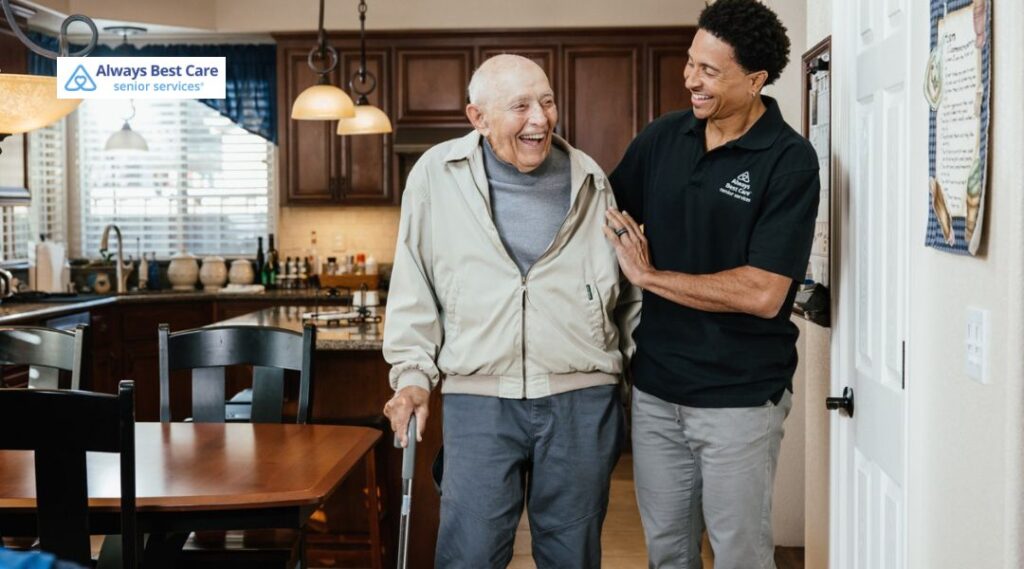
A shared routine can make practical assistance easier to coordinate. Everyone knows when help is expected and what the visit is intended to accomplish.
The plan might include meal preparation, errands, appointment preparation, a preferred activity, and time to rest.
Keep the routine collaborative. Instead of saying, “We are going shopping now,” ask, “Would you like to go together, or would you prefer help picking up the groceries?”
During the care consultation, ask:
- Can the agency aim for consistent caregiver assignments?
- How will scheduling changes be communicated?
- What happens if the usual caregiver is unavailable?
- How are household preferences shared with a substitute caregiver?
These are practical planning strategies—not treatments for PTSD. Symptom-related concerns should be discussed with the treating professional.
Make Everyday Tasks More Manageable
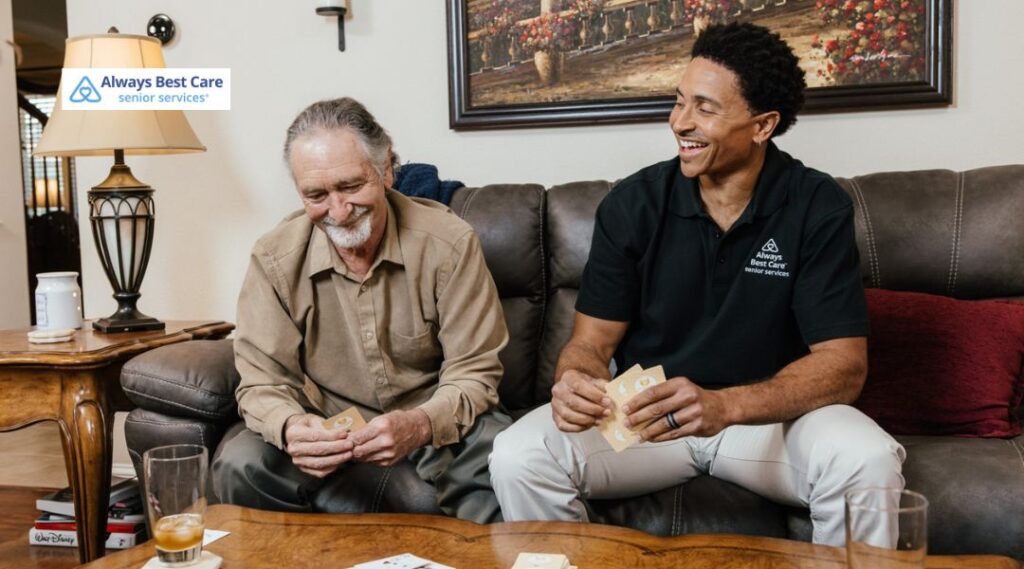
Home care can help families share responsibilities that otherwise fall to one person.
Depending on the care plan and available services, assistance may include:
- Meal preparation
- Grocery shopping and errands
- Light housekeeping and laundry
- Transportation assistance
- Personal-care support
- Medication reminders
- Companionship
- Respite for family caregivers
Ask the Veteran which tasks they want help with and which they want to keep doing. The goal is to support participation, not take over unnecessarily.
Practical help with appointments can also support professional care. The VA suggests offering assistance with scheduling, preparing questions, attending visits when invited, and keeping track of information.
Offer Connection Without Pressure
Companionship can be quiet and familiar. It does not need to involve a crowded outing or a long conversation.
Possible activities include:
- Sharing a meal
- Listening to music
- Watching a favorite program
- Calling a trusted friend
- Working on a familiar hobby
- Spending time outdoors when appropriate
- Enjoying a short visit with someone the Veteran chooses
The VA recommends planning enjoyable activities while remaining open to shorter visits, smaller groups, or a slower pace. Ask what would make participation more comfortable rather than insisting on a particular activity.
If the Veteran declines, leave room for another opportunity. Offering space while remaining available can be more helpful than interpreting the decision as rejection.
Coordinate With Professional Treatment
Non-medical caregivers can help with daily routines around treatment, but they should not diagnose PTSD, provide psychotherapy, change medications, or create their own therapeutic exercises.
With the Veteran’s permission, families can ask the mental health professional:
- What support would be useful between appointments?
- Which changes should we report?
- Are there care strategies the caregiver should follow?
- What should we do if symptoms become more difficult?
- How should treatment information be shared?
The VA encourages practical treatment support while recognizing that the person receiving care may wish to keep some information private. That choice should be respected.
A care plan should also make clear who is responsible for clinical decisions and who handles everyday assistance.

Plan Ahead for Difficult Moments
Discuss preferences during a calm period rather than waiting until someone feels distressed.
Ask the Veteran and treating professional what the plan should include. It may identify who to contact, which clinician-recommended coping strategies are appropriate, and when urgent help is needed.
The VA recommends making a plan together for times when symptoms increase, including how to reach the mental health provider or obtain immediate assistance.
A non-medical home care arrangement should not be assumed to provide clinical crisis management or continuous supervision. Clarify those service limits before care begins. If there is immediate danger or a life-threatening emergency, call 911.
Protect Family Caregiver Well-Being
Family members may be balancing support with work, parenting, household responsibilities, and their own health. A sustainable plan needs to account for their limits, too.
Be specific about what each person can provide. For example:
- “I can help with appointments on Fridays.”
- “We need someone else to cover errands during the workweek.”
- “I need a scheduled break each weekend.”
- “Let’s ask for help before the current arrangement becomes too much.”
The VA encourages family members to be realistic about what they can do, maintain activities they enjoy, use their support network, and consider counseling when needed.
Seeking help is not a failure to support the Veteran. It can make the overall arrangement more dependable.
How Always Best Care of the Mid-Cities Can Help
Always Best Care of the Mid-Cities serves the area through its Fort Worth and Mid-Cities team. Its published information emphasizes personalized service and experienced, screened, and trained caregivers.
Contact the local team to discuss available non-medical support and how it can reflect the Veteran’s routines, preferences, and daily needs.
During the consultation, ask about:
- Caregiver matching and consistency
- Available assistance with meals, errands, and personal care
- Communication and privacy preferences
- Reporting concerns to family members
- Scheduling changes
- Caregiver training and service limits
- Respite options
Do not assume that general home care includes specialized PTSD treatment or that services are automatically covered by VA. If VA funding is being explored, confirm eligibility, authorization, and provider participation separately.
FAQ
Q: Can home care treat PTSD?
A: No. Non-medical home care provides practical assistance and companionship. PTSD treatment belongs with qualified mental health professionals.
Q: Does the Veteran need to discuss their trauma with a caregiver?
A: No. The Veteran decides what to share. Respecting privacy and offering to listen without pressure are important forms of support.
Q: What if the Veteran wants time alone?
A: Respect the request when it is safe to do so and ask when another check-in would be welcome. Let the person know support remains available.
Q: Can families request a consistent caregiver?
A: Ask the agency how consistent assignments are managed and how substitutions are communicated. Discuss this preference before services begin rather than assuming the same person will always be available.
How can family caregivers avoid taking on too much?
Define realistic responsibilities, involve others, protect time for personal health and rest, and seek support before exhaustion develops. The VA recommends maintaining a support network and being realistic about caregiving limits.
Q: Can a caregiver help with treatment appointments?
A: Depending on the service arrangement, practical assistance may include transportation or help organizing appointment information. Clinical involvement and information sharing should follow the Veteran’s permission and the treatment team’s guidance.

Build Support Around Respect and Choice
A personalized care plan starts with listening. Clear communication, practical assistance, familiar routines, and meaningful connection can help families support everyday life while professional treatment addresses PTSD.
Contact Always Best Care of the Mid-Cities to discuss available in-home care that reflects your loved one’s preferences and gives family caregivers practical relief. Contact Always Best Care of Mid-Cities at (817) 380-9208 to learn more and schedule your free consultation.
Link to the markdown version of this blog.