

Managing Allergies for Seniors in Glenview: Tips for a Healthier, More Comfortable Spring
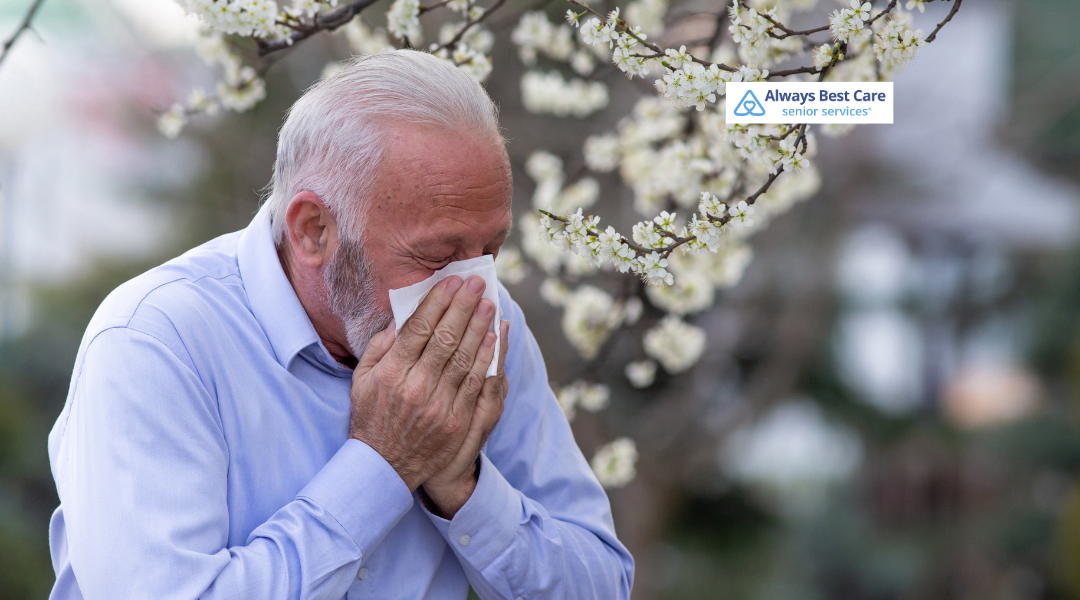
Spring in Glenview brings blooming trees, fresh air, and—let’s be honest—a whole lot of pollen. While the season feels like a breath of fresh air for many, seniors often experience allergies more intensely.
Changes in the immune system, existing health conditions, and medication sensitivities can make even mild allergens feel like a big deal. That’s why understanding how to manage seasonal allergies isn’t just helpful—it’s essential for staying comfortable and healthy at home.
What you will learn:
- Why seniors are more sensitive to seasonal allergies
- Common allergy triggers in Glenview during spring
- How to tell the difference between allergies and illness
- Practical ways to reduce allergens at home
- How caregivers can support daily comfort and safety
Table of Contents
Why Managing Allergies for Seniors in Glenview Matters
As we age, our bodies don’t always bounce back the way they used to. The immune system may weaken, making it harder to fight off irritants like pollen or mold. Add in chronic conditions such as asthma or COPD, and allergies can quickly become more than just a nuisance.
For seniors, something as simple as sneezing or congestion can spiral into fatigue, breathing trouble, or even sleep disruption. That’s why staying ahead of symptoms—rather than reacting to them—is the name of the game.
Common Spring Allergy Triggers in Glenview
Glenview’s beautiful spring scenery comes with a hidden downside: airborne allergens. These tiny troublemakers can sneak into homes and cause ongoing irritation.
Here are the usual suspects:
- Tree pollen: Oak, maple, and birch trees release pollen early in spring
- Grass pollen: Appears later in the season but lingers in the air
- Mold spores: Thrive in damp areas like basements or after rainy days
Even a quick walk outside or an open window can let allergens hitch a ride indoors.

When Allergies Masquerade as Something Else
Here’s where things get tricky—seasonal allergies can look a lot like a cold or respiratory infection. It’s easy to mix them up, especially when symptoms overlap.
Allergy symptoms often include:
- Sneezing and a runny nose
- Itchy eyes or throat
- Clear nasal discharge
Signs it might be something else:
- Fever
- Body aches
- Thick, colored mucus
If symptoms hang around longer than expected or seem to worsen, it’s wise to check in with a healthcare provider.
Medication Safety for Seniors
Not all allergy medications are created equal—especially for older adults. Some over-the-counter options can cause drowsiness, dizziness, or interact with existing prescriptions.
Before starting anything new, keep these tips in mind:
- Consult a doctor or pharmacist first
- Avoid medications that cause sedation or confusion
- Stick to recommended dosages—no guesswork
A little caution here can prevent unnecessary complications down the road.
Simple Ways to Reduce Allergens at Home
Now for the good news—small changes can make a big difference. You don’t need a full home makeover to breathe easier.
Try these easy adjustments:
- Keep windows closed during high pollen days
- Use air purifiers with HEPA filters
- Wash bedding regularly in hot water
- Wipe down surfaces to remove dust and pollen
- Remove shoes at the door to avoid tracking allergens inside
Think of it as creating a clean-air zone where your loved one can truly relax.
How In-Home Care Helps Manage Allergies
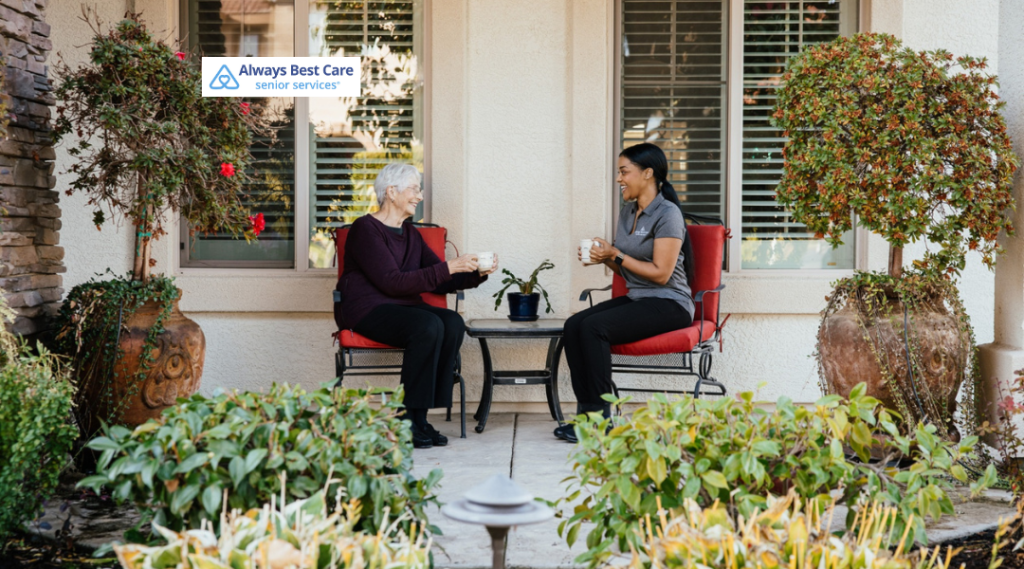
Sometimes, managing allergies takes a team effort—and that’s where caregivers step in. In-home care offers practical help while also providing peace of mind.
Caregivers can assist with:
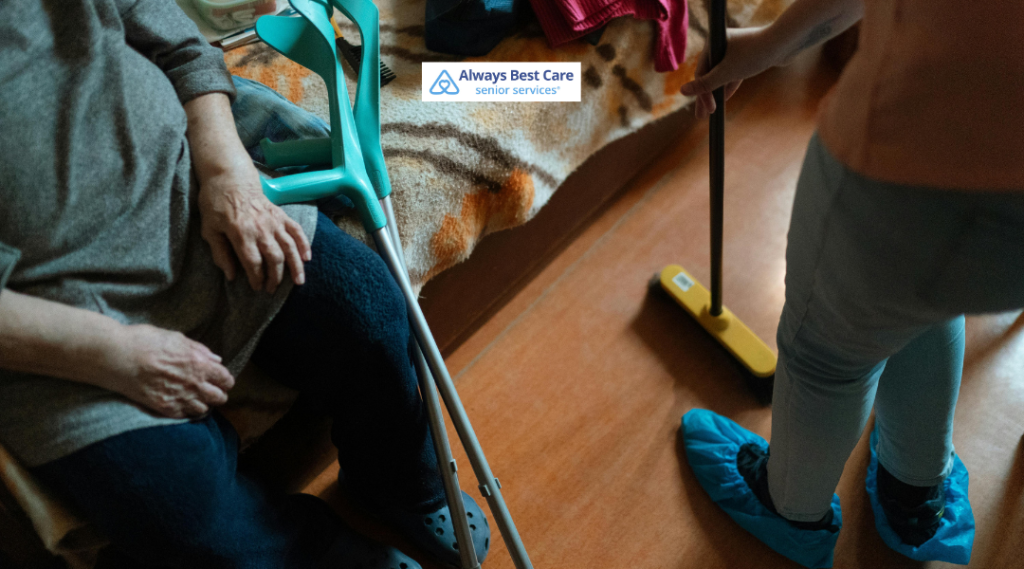
- Light housekeeping to reduce dust and allergens
- Monitoring symptoms and daily comfort
- Encouraging hydration and proper nutrition
- Helping manage medications safely
- Providing companionship during difficult days
It’s not just about comfort—it’s about maintaining independence while staying safe.
FAQ: Managing Allergies for Seniors in Glenview
Q: Why are allergies worse for seniors?
A: Aging can weaken the immune system, making it harder to handle allergens and increasing sensitivity to symptoms.
Q: Can allergies lead to more serious health issues?
A: Yes, especially if they worsen breathing conditions or disrupt sleep and daily routines.
Q: How can I tell if it’s allergies or a cold?
A: Allergies usually don’t cause fever or body aches, while colds often do. Duration is another clue— allergies tend to linger.
Q: When should we seek medical help?
A: If symptoms worsen, interfere with breathing, or don’t improve with basic care, it’s time to consult a professional.
Breathe Easier This Spring in Glenview
Managing allergies for seniors in Glenview doesn’t have to feel overwhelming. With a little awareness, a few home adjustments, and the right support, spring can go back to feeling like the refreshing season it’s meant to be.
Spring should feel refreshing—not overwhelming. Contact Always Best Care of Glenview at (847) 730-5930 to learn how our caregivers can help your loved one stay comfortable and healthy all season long.
Link to the Markdown File version of this article.