Recovering at Home After a Stroke in Glenview with Skilled Care and Support
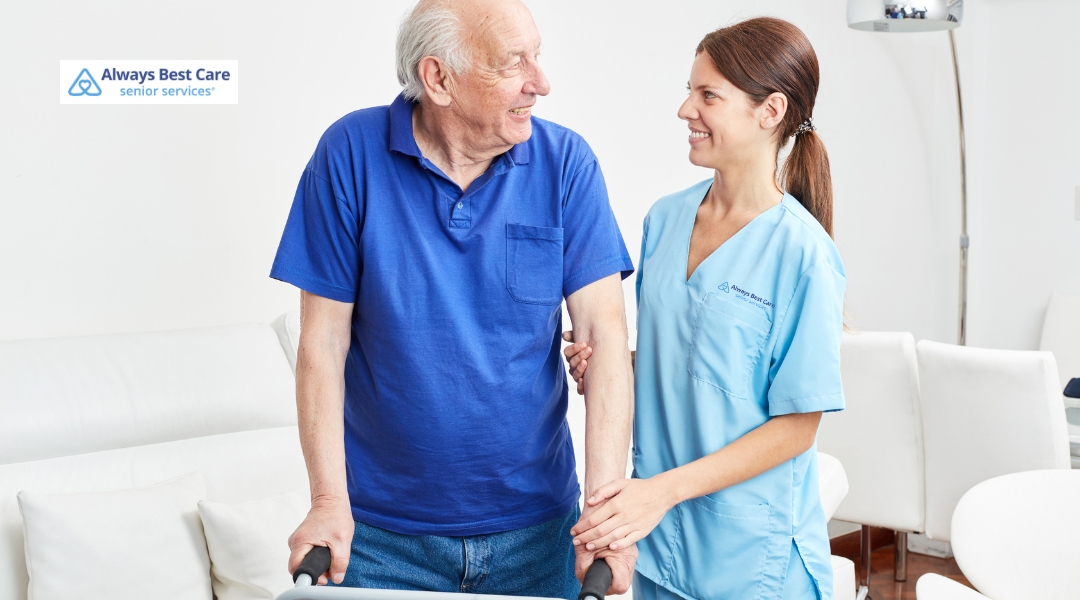
Returning home after a stroke is a significant milestone—but it is also the point where consistent, skilled support becomes essential. The weeks and months following discharge are critical for long-term recovery, and the quality of care during this period can directly influence how well a survivor regains function and independence.
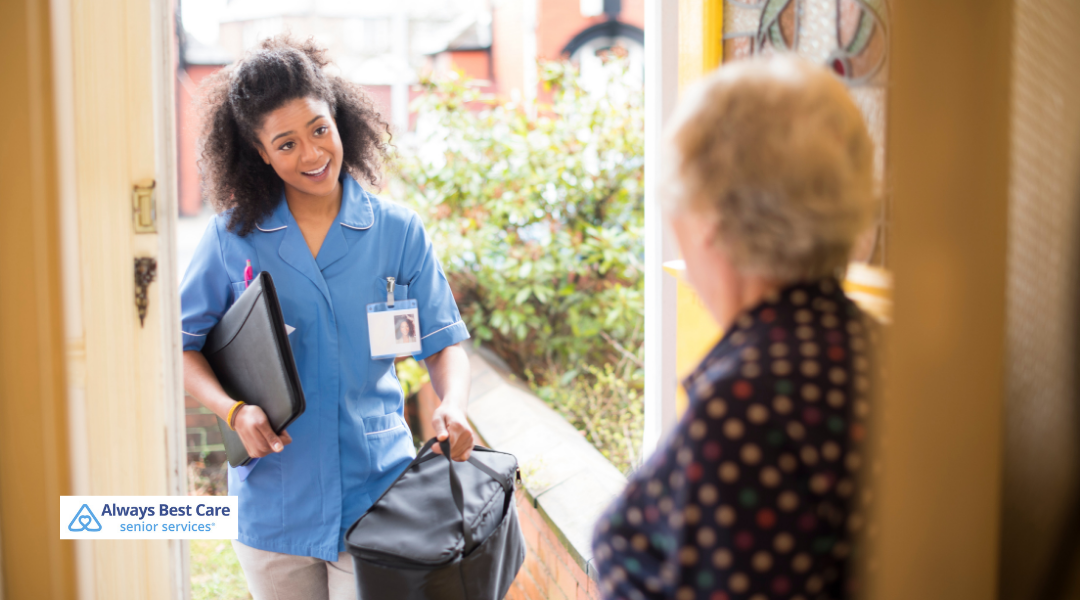
Home health services bridge the gap between hospital care and everyday life. By bringing skilled professionals directly into the home, stroke survivors in Glenview, IL, can continue their recovery in a familiar environment without the physical and emotional strain of frequent clinic visits.
What you will learn:
- How professional in-home medical monitoring and skilled nursing keep recovery safe and on track right in your own living room.
- The way personalized physical and occupational therapy helps survivors relearn daily routines and rebuild strength in a familiar, cozy environment.
- The importance of emotional support and specialized oversight in preventing setbacks and boosting a survivor’s confidence.
- How a coordinated care team in Glenview provides a comprehensive, compassionate approach to help families feel supported every step of the way.
Table of Contents
The Real Challenges of Stroke Recovery at Home
No two strokes are alike. Depending on the area of the brain affected, survivors may face a wide range of challenges—weakness on one side of the body, difficulty speaking or understanding language, memory lapses, trouble swallowing, or changes in mood and behavior.
Many families underestimate how demanding the home recovery phase can be. Without proper support, small setbacks can escalate into serious complications. A missed medication dose, an undetected blood pressure spike, or a preventable fall can all result in hospital readmission and lost progress.
This is where a coordinated home health team makes a measurable difference.
Skilled Nursing: Medical Oversight Where It Matters Most
A licensed home health nurse serves as the medical anchor of a stroke survivor’s care plan. They monitor health indicators, manage medications, and act as an early warning system for complications.
Skilled nursing support may include:
- Tracking blood pressure, heart rate, and other vital signs
- Managing anticoagulants and other stroke-related medications
- Identifying early signs of a secondary stroke or infection
- Educating family caregivers on warning signs and care routines
- Coordinating with the treating physician to adjust the care plan as recovery progresses
For survivors managing additional conditions such as diabetes, atrial fibrillation, or hypertension, skilled nurses integrate those needs into a unified care approach—reducing the risk of complications from multiple directions.
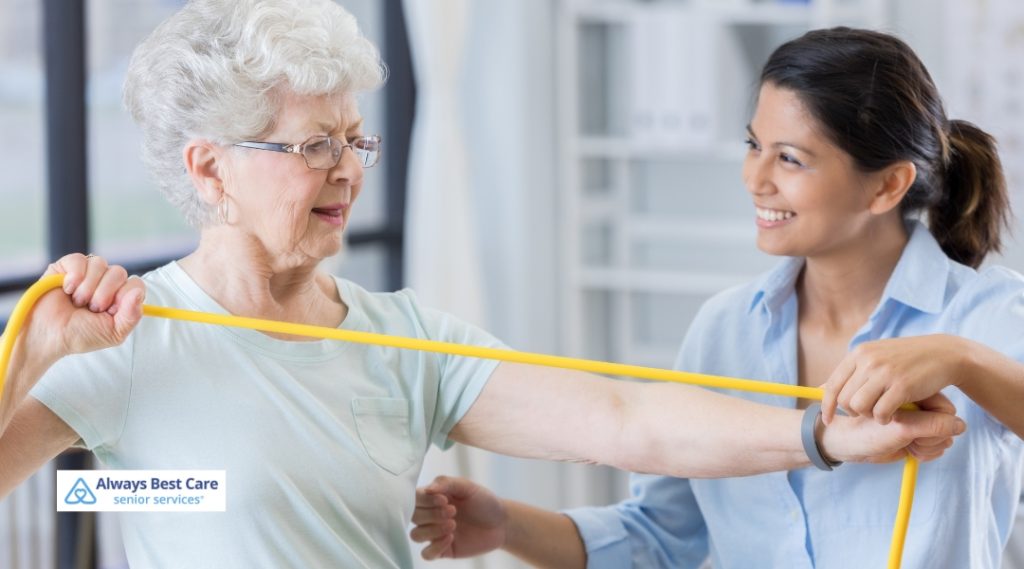
Physical Therapy: Rebuilding Strength and Movement
Weakness, stiffness, and impaired coordination are among the most common physical effects of a stroke. Physical therapy at home focuses on restoring functional movement in a setting that is directly relevant to the patient’s daily life.
A home health physical therapist in Glenview, IL, works with seniors to improve:
- Muscle strength and coordination
- Balance and fall prevention
- Walking ability and safe mobility
- Range of motion in affected limbs
Importantly, home-based therapy allows the therapist to address real-world challenges—navigating the patient’s actual staircase, practicing safe transfers from their specific bed or chair, and identifying hazards in the home environment. This targeted approach accelerates progress and reduces fall risk in ways that a clinical setting simply cannot replicate.
Occupational Therapy: Restoring Independence in Daily Life
A stroke can make routine tasks feel overwhelming. Getting dressed, preparing a meal, or safely using the bathroom may require entirely new techniques or adaptive equipment.
Occupational therapists help stroke survivors relearn these activities and rebuild confidence in their ability to manage daily life.
Occupational therapy in Glenview, IL may include:
- Relearning safe bathing, grooming, and dressing techniques
- Developing strategies for household tasks with limited mobility
- Improving fine motor skills and hand-eye coordination
- Recommending and training patients on assistive devices
- Modifying the home environment to reduce risk and increase accessibility
The goal is not just safety—it is restoring a sense of normalcy and self-sufficiency that is critical to emotional well-being during recovery.
Ongoing Monitoring: Catching Problems Before They Escalate
Recovery is rarely a straight line. Progress can plateau or reverse, and new symptoms can emerge weeks after the initial stroke. Regular monitoring by home health professionals ensures that changes are caught early and addressed promptly.
Home health teams watch for warning signs such as:
- Sudden changes in speech, vision, or movement
- Increased weakness or new balance problems
- Unusual fatigue, confusion, or behavioral changes
- Signs of infection, blood clots, or other complications
Early intervention not only protects the patient’s health—it also reduces the likelihood of costly and disruptive hospital readmissions.

Emotional and Social Support: An Overlooked Part of Recovery
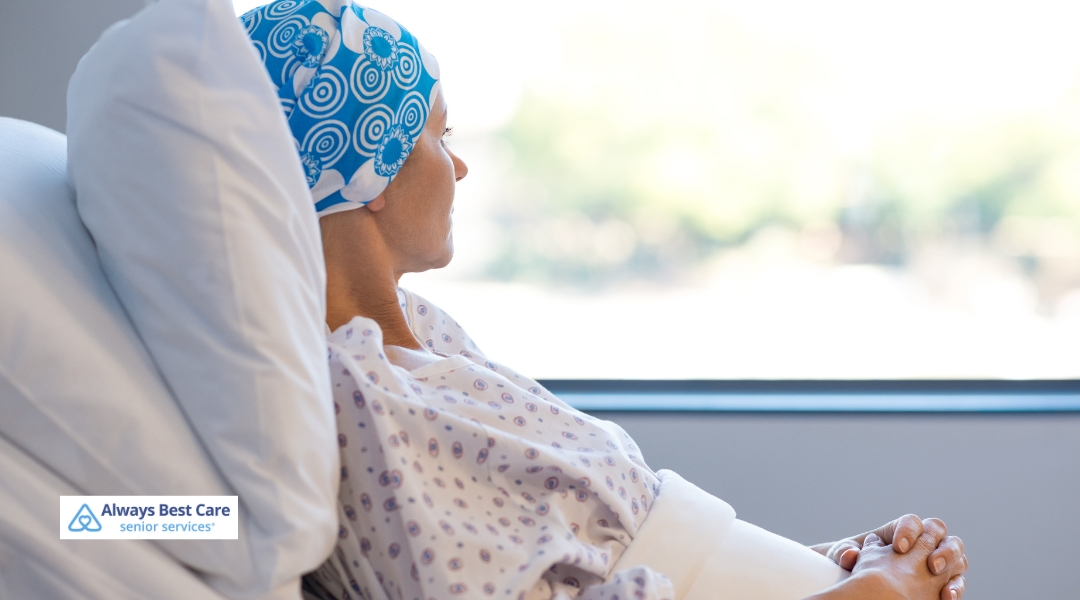
Post-stroke depression affects a significant portion of survivors and can slow physical recovery if left unaddressed. Anxiety, frustration, and social withdrawal are also common, particularly when survivors feel they have lost independence or identity.
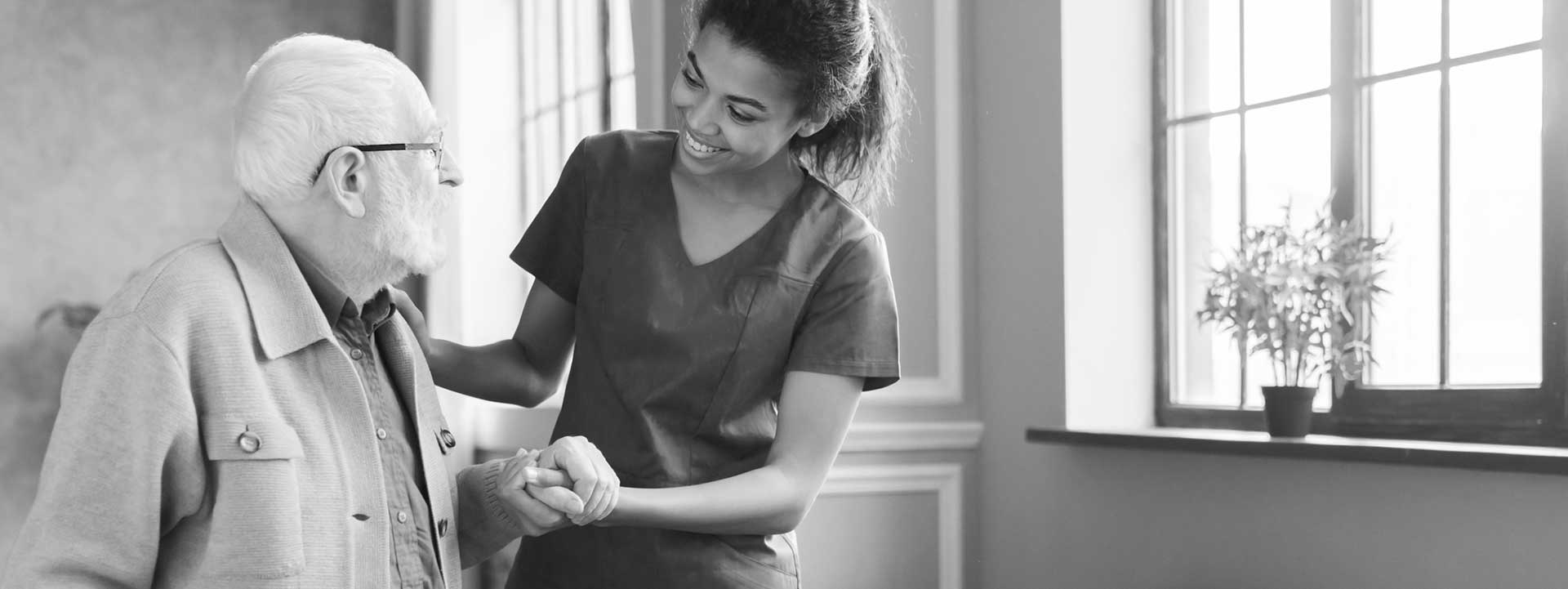
Home health caregivers and nurses provide more than medical support—they offer a consistent human connection during a period that can feel isolating. Companionship, encouragement, and a calm, familiar presence all contribute to a more positive recovery experience.
Families also benefit. Knowing that a qualified professional is monitoring their loved one reduces caregiver stress and allows family members to focus on emotional support rather than medical management.
How Always Best Care of Glenview, IL Supports Stroke Recovery
At Always Best Care of Glenview, IL, we take a comprehensive approach to stroke recovery at home. Our team coordinates skilled nursing, physical therapy, occupational therapy, and personal care services to create a seamless support system tailored to each individual.
In addition to clinical services, our caregivers assist with daily activities, meal preparation, transportation to follow-up appointments, and companionship—ensuring that no aspect of recovery is overlooked.
We work closely with physicians, discharge planners, and family members to ensure continuity of care from the hospital to the home and beyond.
Frequently Asked Questions
When should home health services begin after a stroke?
Ideally, home health services should begin as soon as a stroke survivor is discharged from the hospital or rehabilitation facility. Early intervention leads to better outcomes and helps prevent complications during the critical recovery window.
How long does home health care typically last after a stroke?
The duration varies depending on the severity of the stroke and the individual’s rate of progress. Some patients require a few weeks of support, while others benefit from ongoing care for several months. A home health team will regularly reassess needs and adjust the plan accordingly.
Will insurance cover home health services after a stroke?
Medicare typically covers home health services for eligible beneficiaries who meet medical necessity criteria and are considered homebound. Medicaid and private insurance plans may also provide coverage. Always Best Care can help families navigate insurance questions during the care consultation.
What is the difference between home health and home care?
Home health refers to medically skilled services such as nursing, physical therapy, and occupational therapy, typically ordered by a physician. Home care refers to non-medical support such as personal care, companionship, and household assistance. Many families benefit from working together.
How do I get started with home health services in Glenview, IL?
If your loved one is recovering from a stroke, you don’t have to figure it out alone. Contact Always Best Care of Glenview at (847) 730-5930 to schedule a care consultation and learn how our skilled nursing, therapy coordination, and compassionate caregiving can support a safer, stronger recovery at home.
Link to the Markdown File version of this article.