Warm Weather, Safer Living: Summer Home Tips for Glenview Seniors
Summer in Glenview is a season full of promise — longer evenings, backyard gatherings, and a slower pace of life. But for older adults and their families, the warmer months also call for some thoughtful preparation. Heat affects seniors differently than younger adults, and a few proactive steps at home can prevent serious health setbacks before they happen.
Here’s how to set up a safe, comfortable summer environment for the seniors you love.
What you will learn:
- How to prepare a senior’s home to stay safe, cool, and comfortable during the summer months.
- Simple ways to help older adults stay hydrated, prevent falls, and manage heat-related health risks.
- Why emergency planning, medication safety, and outdoor home maintenance are important during warm weather.
- How in-home care can provide extra support to help seniors remain safe, healthy, and independent throughout the summer.
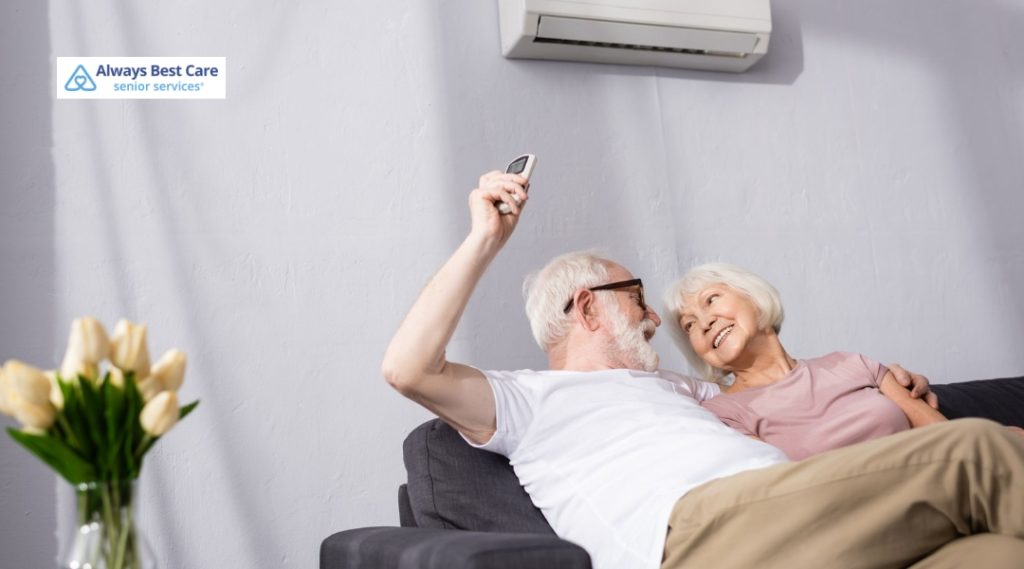
Table of Contents
Start with Your Cooling System — Before You Need It
Don’t wait for the first heat wave to discover your AC isn’t working. Schedule a professional inspection early in the season, replace HVAC filters, and test ceiling fans to make sure they’re running in the correct direction (counterclockwise in summer to push cool air down).
For rooms that tend to overheat, consider adding a portable fan or a window unit. During peak afternoon hours, keep blinds and curtains closed to block direct sunlight and reduce indoor temperatures naturally.
If a senior in your life doesn’t have reliable air conditioning, identify local cooling centers, libraries, or community centers in Glenview where they can spend time during extreme heat days.
Build a Hydration Habit That Sticks
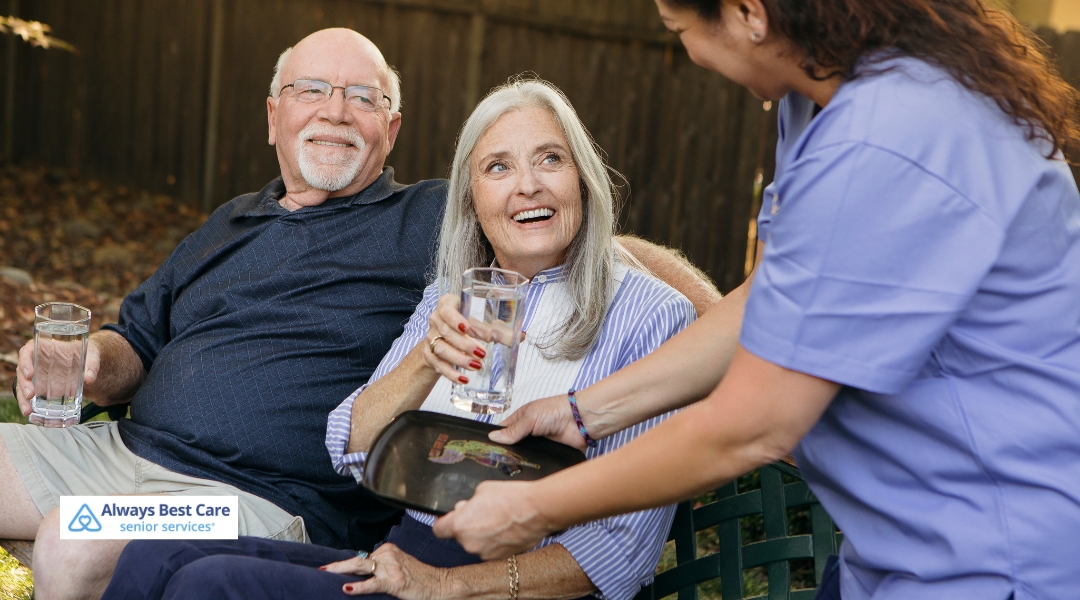
Dehydration is one of the most underestimated risks for older adults in summer. The challenge? Many seniors don’t feel thirsty even when their bodies are running low on fluids. Add in medications that act as diuretics, and the risk climbs further.
Rather than relying on thirst as a cue, build hydration into the daily routine:
- Place water bottles in visible spots around the home — the kitchen counter, bedside table, living room
- Set phone reminders or use a marked water bottle to track intake throughout the day
- Incorporate water-rich foods like watermelon, cucumbers, strawberries, and leafy greens into meals
- Limit caffeine and sugary drinks, which can contribute to fluid loss
A consistent hydration routine is one of the simplest ways to prevent dizziness, fatigue, and heat exhaustion.
Walk Through Outdoor Spaces with Fresh Eyes
Warmer weather means more time outside — and more opportunities for slips, trips, and falls. Before summer gets underway, do a thorough walkthrough of all outdoor areas.
Look for:
- Cracked or uneven walkways that could catch a foot
- Garden hoses, tools, or other items left in pathways
- Loose or wobbly handrails on steps and ramps
- Overgrown shrubs or plants that narrow walking paths
- Outdoor lighting that’s burned out or poorly positioned
A well-maintained outdoor space gives seniors the freedom to enjoy fresh air and light activity without unnecessary risk.
Have a Plan for Severe Weather
Summer in Glenview can bring more than sunshine. Thunderstorms and power outages are real possibilities, and seniors — especially those who rely on medical equipment or temperature-controlled medications — need a plan before severe weather hits.
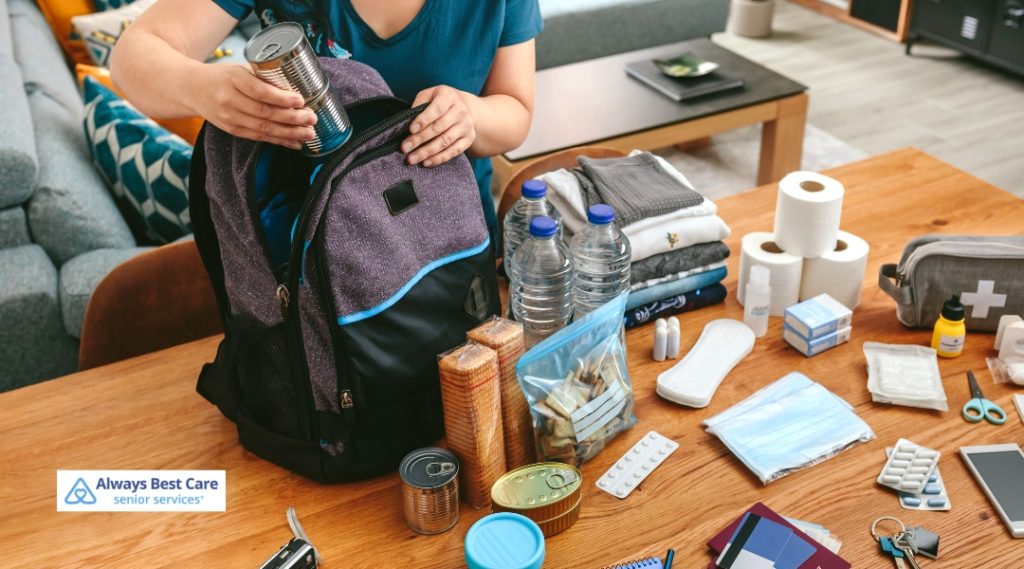
Put together a basic emergency kit that includes:
- Bottled water and nonperishable snacks
- Flashlights and backup batteries
- A printed list of emergency contacts and medical information
- A supply of necessary medications
- Portable chargers for phones or medical devices
Equally important: make sure family members and neighbors know how to reach each other if communication becomes difficult. A simple check-in plan can provide real peace of mind.
Don’t Overlook Medications in the Heat
Heat doesn’t just affect people — it affects medications too. Some prescriptions lose potency when exposed to high temperatures, while others (including certain blood pressure medications, diuretics, and antihistamines) can increase a senior’s sensitivity to heat.
Take a few minutes to:
- Read storage instructions for all current medications
- Move any medications stored near windows or in warm areas to a cooler location
- Talk with a pharmacist or physician about heat-related side effects before summer begins
This is a small step that can prevent a significant problem.
Reduce Indoor Fall Risks
Summer introduces a specific indoor hazard that’s easy to overlook: wet floors. Seniors tracking in water after gardening, swimming, or simply washing up can create slippery surfaces near entryways and bathrooms.
Reduce the risk with a few simple adjustments:
- Place non-slip mats at all entry points and in the bathroom
- Keep hallways and common areas free of clutter
- Make sure every room has adequate lighting, especially at night
- Encourage supportive, non-slip footwear — even indoors
These small changes support both safety and confidence at home.
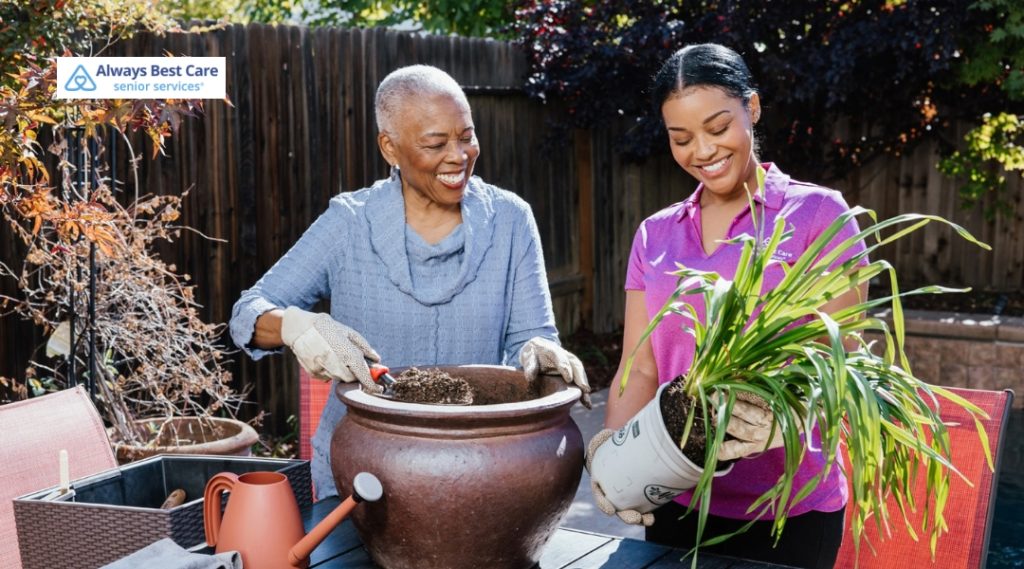
How Always Best Care of Glenview Can Help
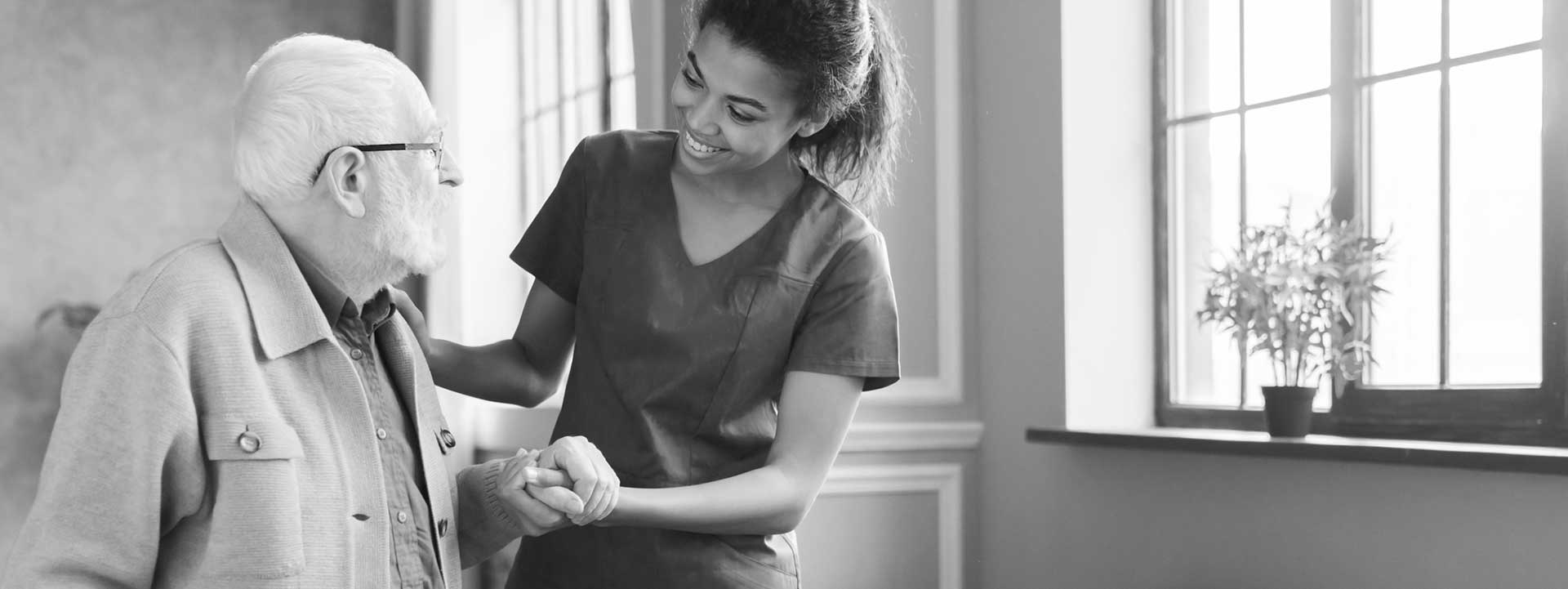
Summer preparation is manageable — but it’s a lot easier with support. Always Best Care of Glenview provides in-home care services designed to help seniors stay safe, comfortable, and independent throughout the season.
Our caregivers can assist with:
- Home safety walkthroughs and light housekeeping
- Meal preparation and hydration reminders
- Medication reminders and monitoring
- Transportation to appointments and errands
- Companionship and wellness check-ins
Whether your loved one needs a few hours of support each week or more consistent daily care, we’re here to help make summer a season to enjoy — not worry about.
Frequently Asked Questions
Q: What temperature is considered dangerous for seniors indoors?
A: Indoor temperatures above 80°F (27°C) can become dangerous for older adults, particularly those with heart conditions, diabetes, or limited mobility. Ideally, indoor spaces should be kept between 68°F and 76°F during the summer months.
Q: How much water should a senior drink each day in summer?
A: Most older adults should aim for at least 6–8 cups (48–64 oz) of water per day, though individual needs vary based on health conditions, medications, and activity level. A physician can provide personalized guidance.
Q: What are the early warning signs of heat exhaustion in seniors?
A: Watch for heavy sweating, cool or pale skin, weakness, nausea, dizziness, and a rapid or weak pulse. Heat exhaustion can escalate to heat stroke quickly — if symptoms appear, move the person to a cool area and seek medical attention promptly.
Q: How can I help a senior who lives alone stay safe during a heat wave?
A: Check in daily by phone or in person, ensure they have access to a cool environment, and make sure they’re drinking enough fluids. If possible, arrange for a caregiver or neighbor to visit during peak heat hours. Local cooling centers are also a valuable resource.
Q: Can medications really be affected by summer heat?
A: Yes. Many medications — including insulin, certain eye drops, and some antibiotics — can degrade when exposed to temperatures above 77°F (25°C). Always store medications according to label instructions and consult a pharmacist if you’re unsure.
Q: When should I consider professional in-home care for a senior during summer?
A: If a senior is living alone, has difficulty managing daily tasks, or has health conditions that make heat particularly risky, professional in-home care can provide meaningful support. A care consultation is a great first step to understanding what level of help makes sense.
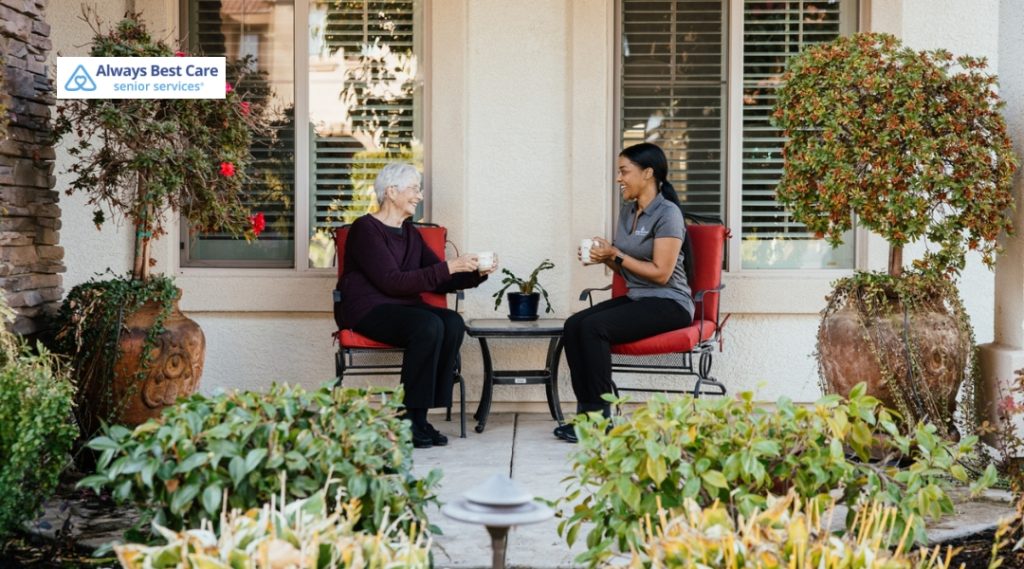
Keep Your Loved One Safe and Comfortable This Summer
Summer should be a time for seniors to enjoy the warmth, sunshine, and moments with family — not worry about safety risks at home. Always Best Care of Glenview is here to provide compassionate, personalized support that helps older adults stay comfortable, confident, and independent throughout the season. Call us today at (847)719-6212 to schedule a care consultation and learn how our caregivers can help your loved one have a safer, more enjoyable summer at home.
Link to the Markdown File version of this article.