

Helping Glenview, IL Families Spot Early Blood Sugar Red Flags in Aging Loved Ones
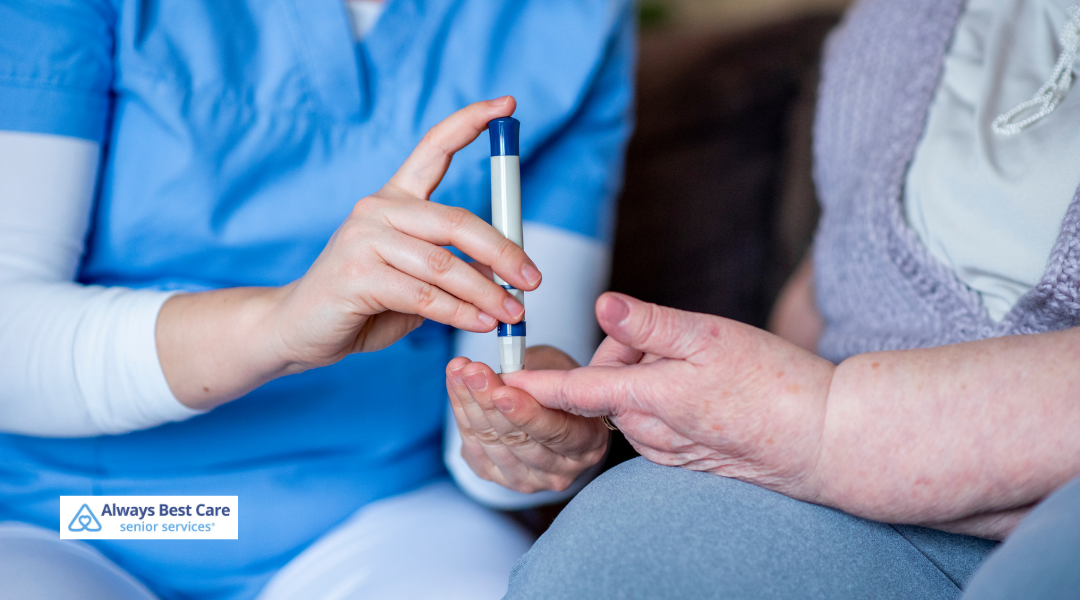
Blood sugar doesn’t always play by the rules—especially as people get older. Even seniors who’ve handled diabetes like pros for years can suddenly face new ups and downs. Illness, new medications, skipped meals, or a quiet afternoon turning into a week on the couch…all of these can throw blood sugar off balance.
For families in Glenview, IL, spotting blood sugar changes early can make the difference between a small hiccup and a serious emergency. That’s where we at Always Best Care of Glenview, IL come in: helping loved ones stay safer, steadier, and more independent at home.
What you will learn:
- Why blood sugar becomes trickier to manage as your loved one gets older, and the everyday factors that can throw it off balance.
- How to recognize the warning signs of both low and high blood sugar in seniors, even when symptoms look like “just aging.”
- Simple daily habits and routines that help keep blood sugar steadier and safer at home.
- When it might be time to bring in extra support, and how in-home care can make diabetes management less stressful for the whole family.

Table of Contents
Why Blood Sugar Gets Harder to Manage with Age
As people age, life gets a little more complicated. More health issues, more pills, more appointments—it’s a lot to juggle. All of this can affect blood sugar in ways that aren’t always obvious at first.
Common reasons blood sugar changes in older adults:
- Multiple medications that interact with diabetes treatments
- Changes in kidney function, which affect how the body handles sugar
- Shifts in appetite – eating less, skipping meals, or forgetting to eat
- Decreased movement – less walking or exercise than before
- Memory issues that lead to missed meals or missed doses of medication
- Illness or feeling unwell, which often makes seniors eat and drink less
That’s why regular blood sugar checks and staying in touch with healthcare providers matter so much as people age.
Recognizing Low Blood Sugar in Older Adults
Low blood sugar (hypoglycemia) happens when glucose drops below a healthy range. It can sneak up quickly and may follow:
- Eating too little
- Skipping meals
- Taking certain diabetes medications
- Sudden increase in physical activity
- Illness or changes in routine
Common Warning Signs of Low Blood Sugar
Look out for:
- Shaking or sweating
- Dizziness or weakness
- Strong hunger
- Headache
- Irritability or anxiety
- Trouble concentrating
- Confusion or “foggy” thinking
- Clumsy movements or poor coordination
In older adults, these signs can easily be brushed off as “just getting older.” But sudden confusion, weakness, or unusual behavior shouldn’t be ignored.
Severe low blood sugar can cause seizures or make someone pass out. That’s an emergency, and medical help is needed right away.
Recognizing High Blood Sugar in Older Adults
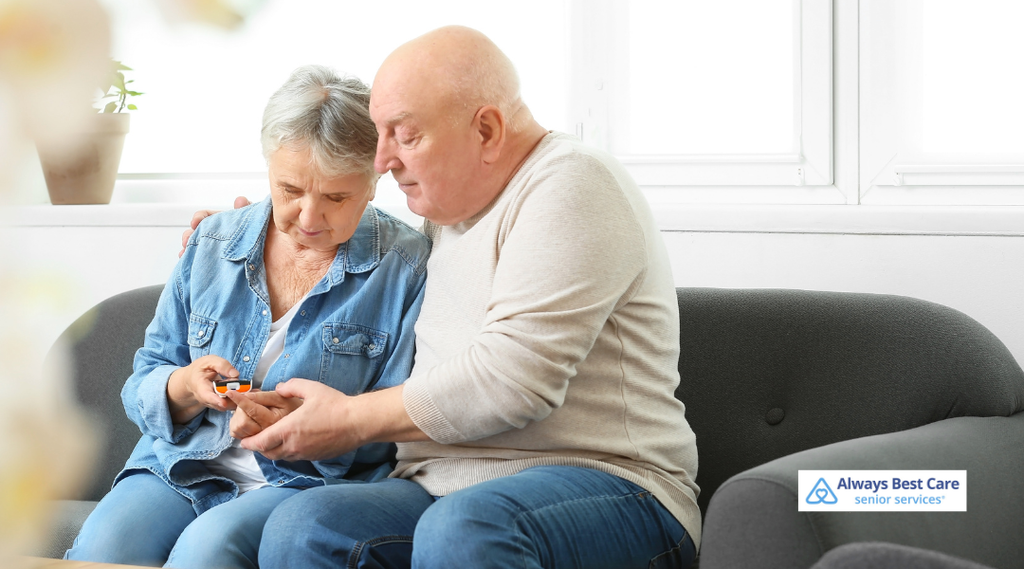
High blood sugar (hyperglycemia) often creeps up more slowly than low blood sugar. Because of that, families may miss the early hints.
Common Warning Signs of High Blood Sugar
You might notice:
- Increased thirst
- Frequent trips to the bathroom
- Blurred vision
- Feeling very tired or weak
- Headaches
- Unexplained weight loss
- Cuts or wounds that heal slowly
If high blood sugar sticks around, it can harm the eyes, kidneys, nerves, heart, and blood vessels over time. Very high levels can also trigger sudden serious problems like major confusion, severe weakness, or trouble breathing. Those signs call for emergency care.
Spotting Changes from a Senior’s Normal Routine
Families don’t need medical training to be helpful. The most powerful tool is simply knowing what’s “normal” for your loved one.
Ask yourself:
- Has Mom suddenly become much more tired than usual?
- Is Dad drinking water nonstop and heading to the bathroom every hour?
- Does a usually sharp and steady loved one seem confused, forgetful, or unsteady out of the blue?
These changes deserve attention. They shouldn’t be written off as just “old age.”
It can help to talk with the healthcare provider about:
- Target blood sugar ranges
- How often to check glucose
- Which symptoms mean it’s time to call the doctor
- What should be considered an emergency
Consistent Daily Habits Make Diabetes Easier to Handle
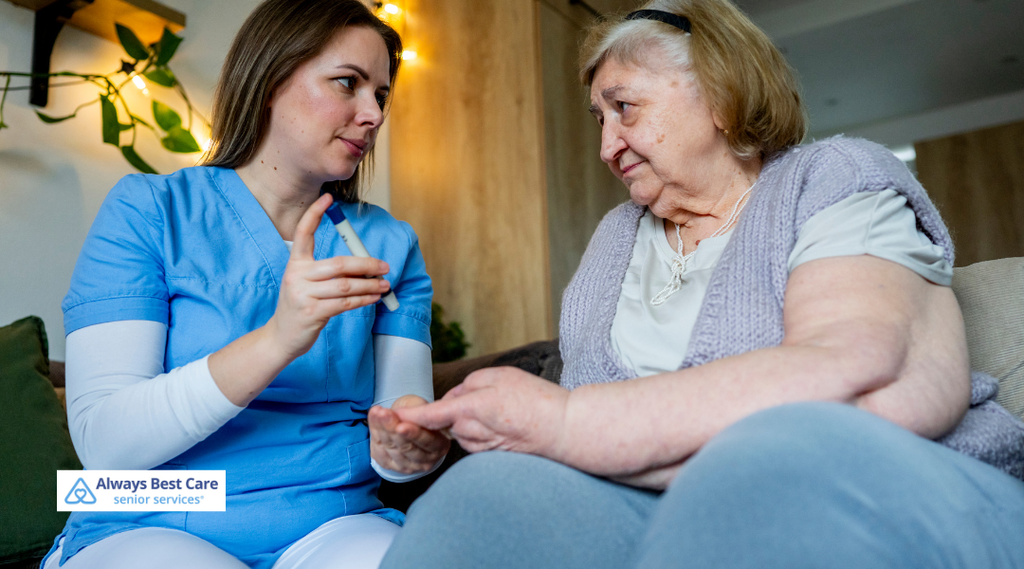
Steady routines are one of the best tools for keeping blood sugar in a safe range. Things run more smoothly when key parts of the day are predictable.
Helpful habits may include:
- Regular meals and snacks on a consistent schedule
- Taking medications exactly as prescribed
- Checking blood sugar as directed by the healthcare provider
- Drinking enough fluids throughout the day
- Staying safely active, even with simple movement
- Keeping up with medical appointments, not putting them off
It also helps when families share an accurate list of all medications and supplements with the healthcare provider. Changes in treatment can affect blood sugar, and knowing the full picture makes care safer.
When Memory or Mobility Problems Complicate Diabetes Care in Glenview, IL
Managing diabetes means remembering a lot of details: food, medications, blood sugar checks, appointments—and that’s on top of everything else in life.
Memory changes can make it hard to:
- Remember medication times
- Keep track of whether meals or snacks happened
- Check blood sugar regularly
- Attend scheduled appointments
Physical challenges can add another layer:
- Arthritis or tremors making it hard to handle small testing supplies
- Vision changes making labels, numbers, and measurements hard to see
- Trouble standing, walking, or using the kitchen safely
These struggles are often a sign that extra support at home could make daily life safer and less stressful.

How Always Best Care of Glenview, IL Can Help
Living with diabetes involves far more than watching blood sugar numbers. It’s about daily choices and steady habits that build long-term health. That’s where we step in.
At Always Best Care of Glenview, IL, our caregivers help by:
- Preparing balanced, diabetes-friendly meals and snacks
- Offering gentle reminders for medications and blood sugar checks
- Encouraging safe activity and enough fluids throughout the day
- Providing rides to appointments so visits aren’t missed
- Paying attention to subtle changes and sharing concerns with family or healthcare providers
For seniors who qualify for home health services, trained healthcare professionals can add medical support based on the doctor’s care plan, building an extra layer of safety around blood sugar management.
Helping Your Loved One Stay Safe with Diabetes
Blood sugar can change quickly, and older adults may not always notice—or may have trouble explaining—what they feel. Families who stay involved and know the usual routine are better able to spot trouble early and get help when it’s needed.
If a loved one in Glenview, IL has diabetes and could use more help at home, we at Always Best Care of Glenview, IL are ready to support safer routines, greater independence, and a better quality of life.
Blood sugar changes in older adults can be subtle at first, but they carry real risks if they’re missed or brushed aside. By paying attention to everyday habits, spotting early warning signs, and staying connected to care, families in Glenview, IL can help loved ones stay safer and more independent. And when extra support at home is needed, we at Always Best Care of Glenview, IL are here to walk that path alongside you.
To learn more, contact Always Best Care of Glenview, IL at (847)719-6212 for a care consultation.

FAQ: Blood Sugar Changes in Older Adults in Glenview, IL
Q: Why do blood sugar changes become more common as people age?
A: As people get older, they often face more health issues, take more medications, and experience changes in kidney function, appetite, movement, and memory. All of these can make blood sugar harder to keep in a healthy range.
Q: Are tiredness and confusion always signs of blood sugar problems?
A: Not always, but sudden or unusual tiredness, confusion, or shakiness in a senior with diabetes should never be ignored. It’s wise to check blood sugar and contact a healthcare provider if something feels off.
Q: How often should older adults with diabetes check their blood sugar?
A: The schedule depends on the healthcare provider’s guidance, medications, and overall health. Some seniors check several times a day; others follow a different routine tailored to their needs.
Q: What can families do at home to support better blood sugar control?
A: Families can help by encouraging regular meals, reminding about medications, noticing changes in mood or behavior, helping with doctor visits, and supporting simple daily movement.
Q: How can Always Best Care of Glenview, IL support seniors with diabetes?
A: We provide help with meals, medication reminders, blood sugar routines, hydration, safe activity, and appointment support, while watching for changes that should be shared with families and healthcare providers.