
Preventing Falls This Winter: A Practical Guide for Seniors

Winter in Chicago can be a wonderland, but it also brings slippery sidewalks, icy patches, and darker days—especially for seniors, who face an increased risk of falling. As temperatures drop, it’s important to think ahead and ensure your loved ones are safe and secure at home.
Fall prevention is key to maintaining their independence and well-being during the colder months. Let’s take a look at simple but effective ways to keep your senior family members safe this winter.
Table of Contents
Make the Home Safer
The first step in preventing falls is creating a safer environment inside the home. As winter’s chill settles in, the risk of slips and falls can rise—especially when navigating around furniture or slipping on wet spots.

Clear the Path
Start by eliminating tripping hazards around the house. Loose throw rugs are notorious for causing falls. You can either remove them or secure them with nonslip rug grippers or nonskid tape. If there’s clutter—like shoes piling up by the door—organize the space to ensure a clear, safe path. An absorbent cleaning cloth near the entryway will come in handy for quickly wiping up any water or snow that sneaks in on boots.

Add More Light
With shorter days and early sunsets, indoor lighting becomes crucial. If certain areas of the home are too dim, like hallways or stairways, consider switching to brighter lightbulbs. Motion sensor lights or lamps with timers can help illuminate rooms without your loved one needing to remember to turn them on. This simple change reduces the risk of accidents and ensures that seniors can see where they’re walking, even in the evening.
Match Footwear to the Weather
Proper footwear is an essential part of fall prevention, both inside and outside the home. Slippers may feel cozy, but can be slippery—especially on carpeted floors and stairs. Indoors, seniors should opt for nonslip shoes with good support.

Footwear for Outdoor Adventures
For outdoor trips, winter footwear should be durable and slip-resistant. Waterproof boots with nonslip soles are essential for icy conditions. And here’s a tip: offer to carry any bags or items for your loved one when they head outside. Walking with hands full can throw off their balance and increase the risk of falling. Helping them keep their hands free gives them better control and balance as they navigate slippery surfaces.
Keep Moving
It’s tempting to stay inside and bundle up during the winter months, but a sedentary lifestyle can lead to weakness and make seniors more prone to falls. Encourage your loved one to stay active with gentle exercises that promote balance, strength, and mobility.

Balance and Strength Exercises
Physical activity is key to maintaining leg and core strength, which plays a major role in preventing falls. Walking, stretching, or even chair exercises can improve stability and coordination. Check with a healthcare professional to find an exercise routine that’s safe and effective for your loved one’s health.
Talk to a Healthcare Professional
If your loved one feels unsteady on their feet or has had a fall, no matter how minor, it’s important to consult a doctor. Seniors may be reluctant to admit to a fall, fearing they’ll lose their independence. Reassure them that discussing these incidents with a healthcare provider is vital for their safety and health. A doctor can identify potential causes and offer solutions to help prevent future falls.
By following these tips, you can help create a safer winter environment for your senior loved one and keep them moving confidently and independently.
FAQ
Q: How can I prevent my loved one from falling inside the house during winter?
A: Start by removing any tripping hazards like loose rugs or clutter. Increase lighting in dimly lit areas, and ensure that your loved one wears nonslip shoes indoors.
Q: What are the best shoes for winter walks?
A: Nonslip winter boots with good ankle support and waterproof material are essential for outdoor walks in icy conditions. Make sure they have slip-resistant soles.
Q: How can exercise help prevent falls?
A: Balance and strength exercises, such as walking or chair exercises, help maintain stability and coordination, reducing the risk of falling.
Q: Should I consult a doctor if my loved one has had a fall?
A: Yes, it’s important to consult a doctor if a fall occurs, even if no injuries are visible. A healthcare professional can provide guidance on preventing future falls.

Keep Your Loved Ones Safe This Winter!
Preventing falls this winter is all about creating a safer home environment, ensuring proper footwear, staying active, and having open conversations with healthcare professionals. By taking these simple steps, you can help protect your loved ones from the risks of winter-related accidents and support their ability to live independently.
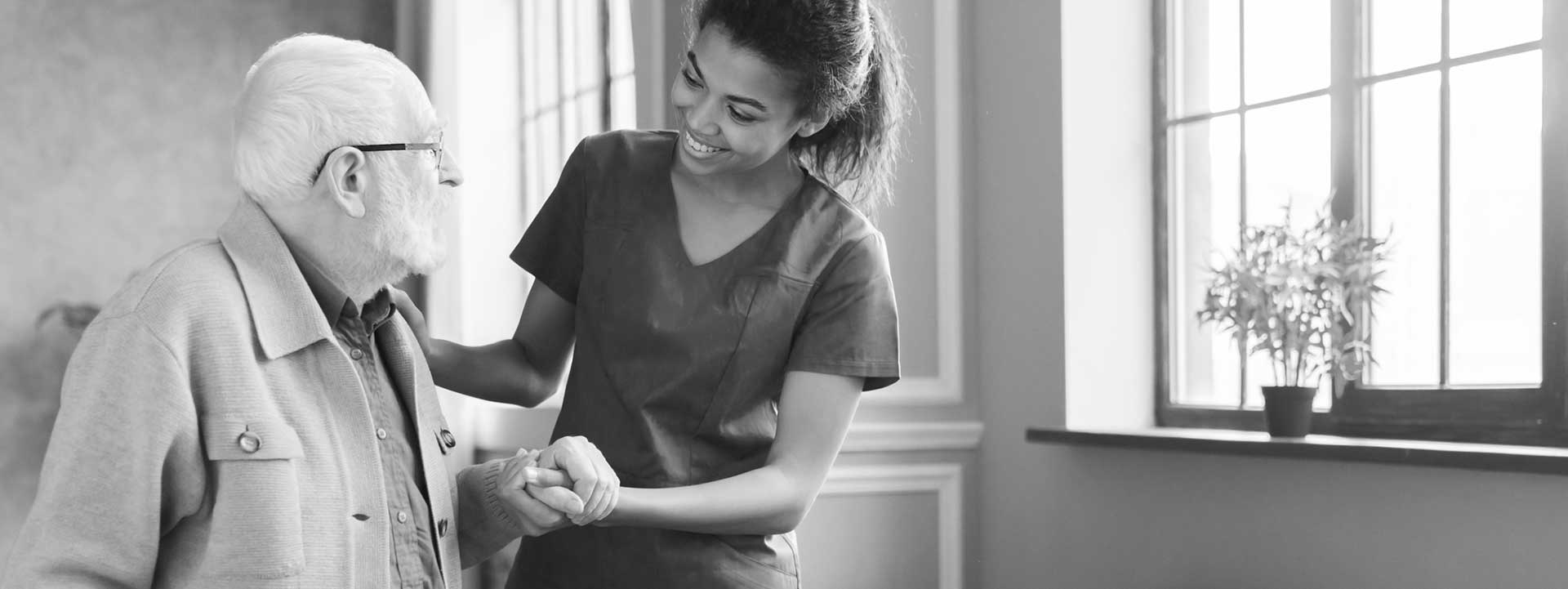
At Always Best Care of Glenview, our caregivers are trained to assist with fall prevention and promote physical activity to keep seniors safe during the winter months. We can help make sure your loved one follows recommended fall prevention practices and stays on top of their exercise routine.
Contact us today at (847) 730-5930 to schedule your care consultation and learn more about how we can keep your loved one safe, healthy, and independent year-round.