UV Safety Awareness Month: Sun Protection Tips for Seniors in Glenview
When summer finally settles over Glenview, the sunshine just seems to call your name, doesn’t it? Warm walks, patio lunches, and garden visits can feel like pure joy—especially for older adults who’ve waited all winter to get outside. Yet as we age, our skin becomes more fragile and less able to bounce back from sun exposure, making UV protection more important than ever for seniors.
What you’ll learn
- Why seniors are more vulnerable to UV damage
- Simple daily habits to stay sun safe
- How to plan outdoor time more wisely
- Ways caregivers and families can support safe summer fun
Table of Contents
Why Seniors Need to Take UV Exposure Seriously
The Effects of UV Rays on Aging Skin
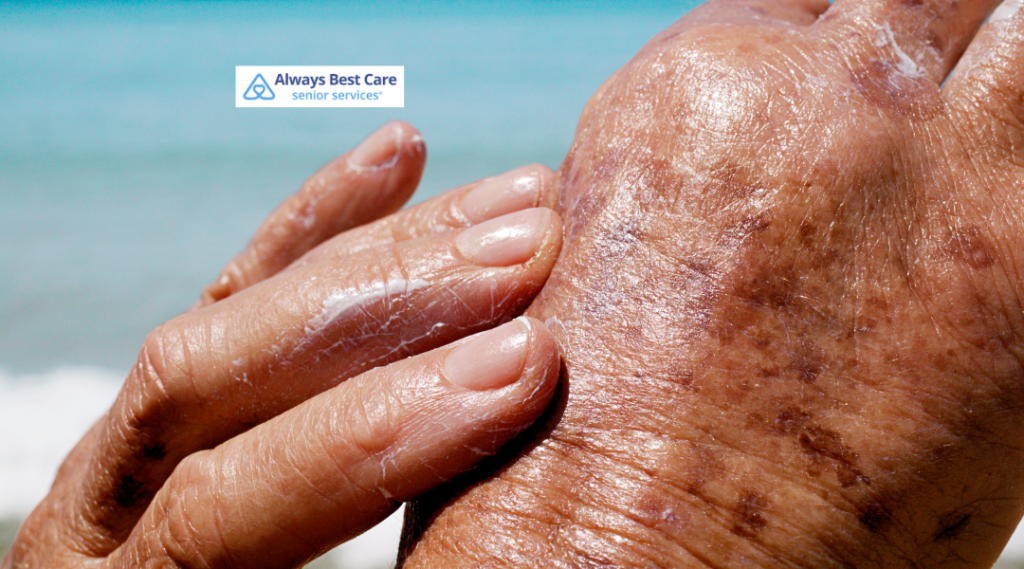
Over the years, skin naturally thins, loses elasticity, and doesn’t repair itself as quickly, which means UV rays can cause damage more easily and more deeply in older adults. For many seniors, even a short time in direct sun can lead to increased sensitivity, faster sunburn, and lingering irritation that can take days to heal.
Beyond discomfort, repeated unprotected exposure can contribute to age spots, rough patches, and a higher risk of certain skin cancers, making thoughtful protection time well spent.
Additional Summer Health Concerns
For seniors, the sun isn’t the only concern—heat itself can be a serious health risk. Heat exhaustion and even heat stroke can sneak up when someone is sitting outside “just for a bit,” especially if there’s humidity and little shade.
Dehydration is another big summer culprit, as many older adults don’t feel thirst as strongly, and certain medications—like some antibiotics, blood pressure pills, and diuretics—can increase sun sensitivity or fluid loss. Always check with a healthcare provider and watch for warning signs like dizziness, headache, or confusion.
Essential Sun Safety Habits for Seniors
Use Sunscreen Correctly
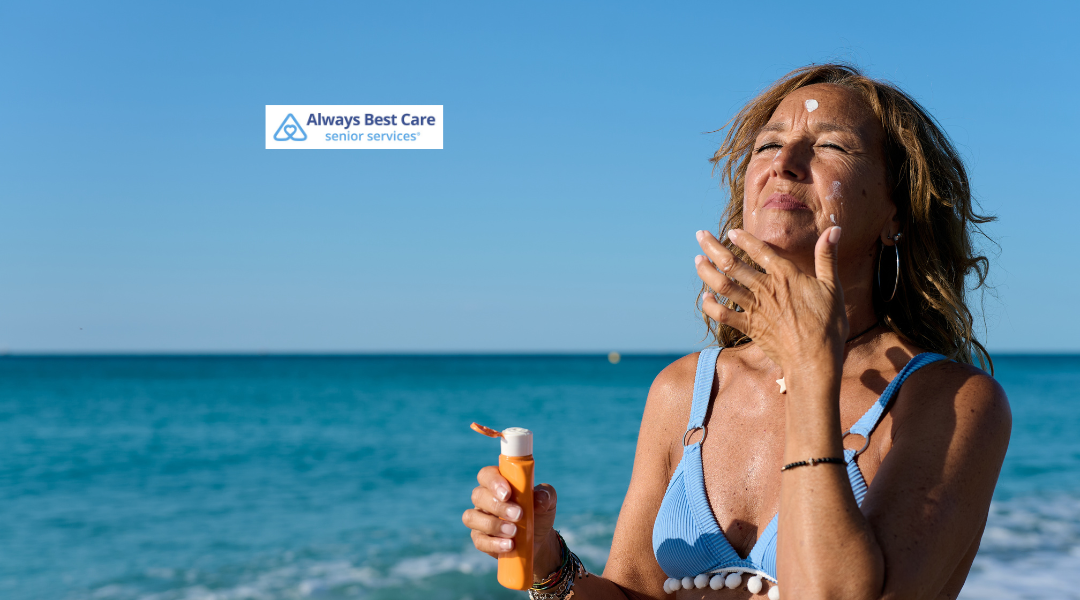
Sunscreen is only helpful if it’s used—and used well. Older adults should reach for a broad‑spectrum product that protects against both UVA and UVB rays, with an SPF of 30 or higher. A gentle, moisturizing formula can be especially soothing on aging skin.
Apply sunscreen generously to all exposed areas—face, ears, neck, arms, hands, and the tops of feet—about 15–30 minutes before going outside, then reapply every two hours or sooner if sweating. It can help to keep sunscreen by the front door or in a purse so it becomes as routine as grabbing your keys.
Wear Protective Clothing
Clothing can act like a quiet, steady bodyguard against the sun. Wide‑brimmed hats help shield the face, scalp, and neck—areas that burn easily and are often overlooked.
Lightweight, long‑sleeved shirts and pants in breathable fabrics like cotton or linen can keep seniors both cool and covered, and wraparound sunglasses with UV protection help protect the eyes and the delicate skin around them.
Plan Outdoor Activities Wisely
Avoid Peak UV Hours
The sun is strongest between late morning and mid‑afternoon, usually around 10 a.m. to 4 p.m., and that’s when UV exposure climbs. For seniors, this window can be especially risky for both sunburn and overheating.
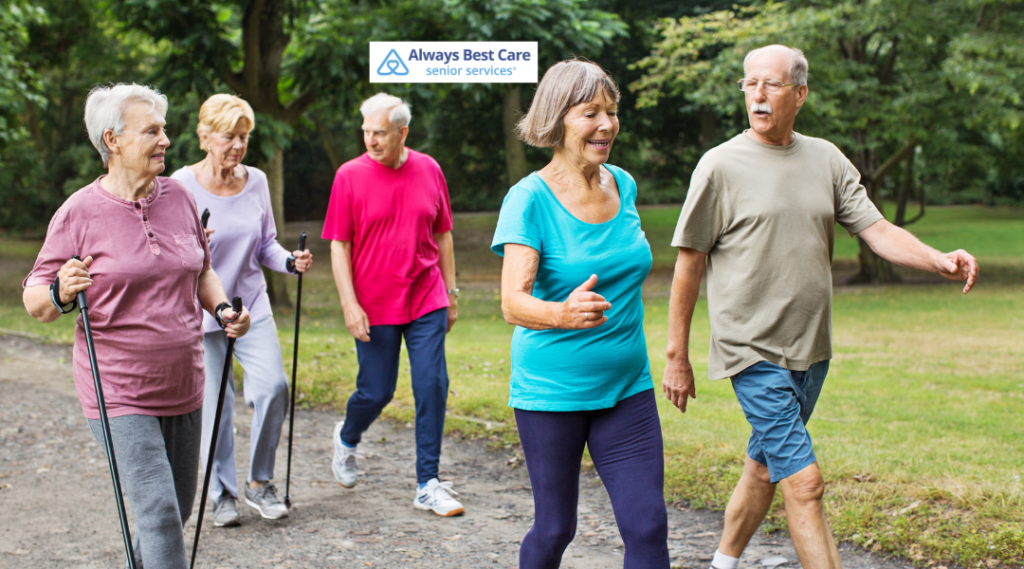
Whenever possible, plan walks, gardening, or social visits for earlier in the morning or later in the afternoon or early evening, when the sun is lower, and temperatures are milder. A little schedule shift can make outdoor time safer and more enjoyable.
Stay Hydrated While Outdoors
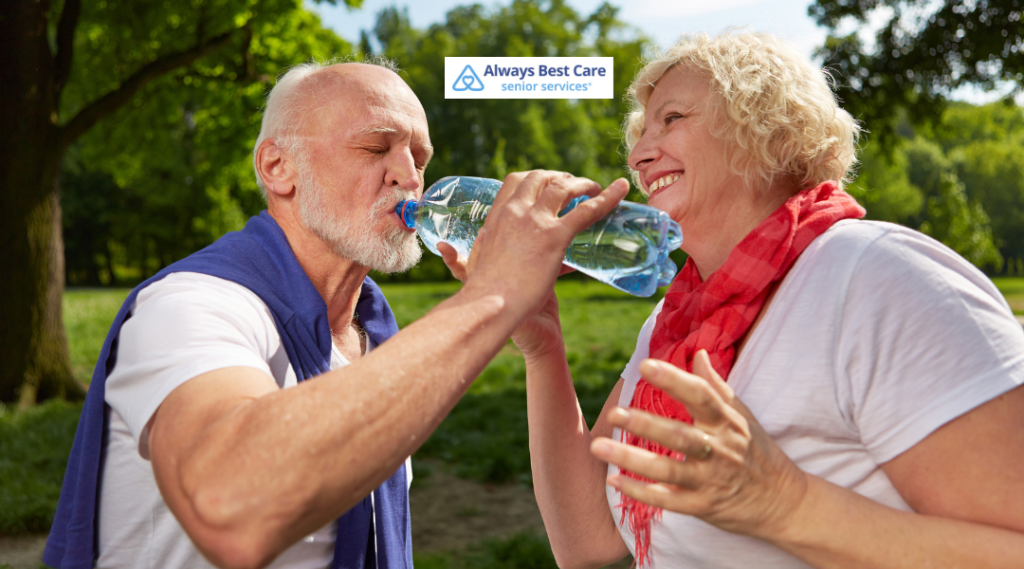
Hydration is one of those simple habits that makes a big difference but is easy to forget. Sipping water regularly—rather than waiting until thirst kicks in—helps the body stay cool and supports healthy circulation.
Caregivers and family members can encourage seniors to drink a glass of water before heading out, bring a refillable water bottle, and watch for signs of dehydration, such as dry mouth, dark urine, or feeling unusually tired or light‑headed.
How Caregivers and Families Can Help
Encouraging Healthy Outdoor Habits
Sometimes the most loving support is a gentle reminder. Caregivers and family can make sun safety feel caring rather than “nagging” by weaving it into a pleasant routine: “Let’s put on a little sunscreen and grab your hat before we sit on the porch.”
Regular check‑ins for signs of overheating—like flushed skin, confusion, rapid heartbeat, or nausea—are important, especially if a senior insists, “I’m fine!” Keeping an eye on weather forecasts and heat indices can help everyone decide how long and when to be outdoors.
Supporting Safe Summer Activities
Summer doesn’t need to be canceled—it just needs to be curated. Families and caregivers can choose activities that offer built‑in shade, such as visiting local parks with shelters, sitting under a backyard umbrella, or enjoying a cooled sunroom with the blinds partially closed.
They can also pack “sun‑smart kits” with water, sunscreen, a portable fan, and a light wrap, ensuring that seniors can stay out just long enough to enjoy the moment without overdoing it. With a little planning, seniors can continue to feel engaged, independent, and connected all summer long.
FAQ
Q: How often should seniors apply sunscreen when they’re outside?
A: Seniors should apply sunscreen 15–30 minutes before going outdoors and reapply every two hours, or sooner if they’re sweating or wiping their skin; this simple routine helps older adults enjoy the sun more safely while staying active with support from Always Best Care of Glenview.
Q: Are cloudy days safe for seniors to be in the sun without protection?
A: Even on cloudy days, up to a significant portion of UV rays can still reach the skin, so seniors should continue to use sunscreen, hats, and protective clothing; consistent habits make outdoor time safer and more comfortable, especially with gentle reminders from Always Best Care of Glenview.
Q: What are the warning signs that a senior is getting too much sun or heat?
A: Watch for symptoms like headache, dizziness, nausea, confusion, or unusually hot, dry, or very sweaty skin, and move the person to a cooler place and seek medical help if needed; quick action and watchful support can make a big difference, particularly when caregivers from Always Best Care of Glenview are part of the care team.
Q: How can families help a senior who forgets to protect themselves from the sun?
A: Families can build routines—like keeping a “sun basket” with hats and sunscreen by the door, setting phone reminders, or having a caregiver assist before outings—to make sun safety easy and automatic; these small steps help seniors stay safer and more independent, especially when paired with compassionate in‑home care from Always Best Care of Glenview.
Sunshine, Safely: Your Summer CTA
With UV Safety Awareness Month upon us, it’s the perfect time to refresh sun‑smart habits so the seniors you love can savor every warm, beautiful day without putting their health at risk. A few simple choices—like planning outings for cooler hours, using sunscreen faithfully, and staying hydrated—go a long way toward protecting aging skin and preventing heat‑related illness.
If you’d like a caring partner to help your loved one enjoy summer safely at home and around Glenview, reach out to Always Best Care of Glenview for compassionate in‑home support, thoughtful companionship, and help with safe, enjoyable outings. Call (847)719-6212 or visit our website to learn how our team can help your family create a safer, sunnier season together.
Link to the Markdown File version of this article.