

Steady Hands, Stronger Days: How Skilled Nursing Supports ALS Patients in Milwaukee

Living with ALS can feel like life keeps changing the rules just when you’ve figured them out. One day, things are manageable; the next, even simple tasks need a bit more help. It’s a lot—no sugarcoating it.
But here’s the thing: support doesn’t just make life easier, it makes it more dignified, more comfortable, and far less overwhelming.
That’s where skilled nursing steps in—not as a replacement for family, but as a steady hand in the background, helping everything run smoother.
What You Will Learn
- How skilled nursing supports ALS patients at home
- Ways nurses assist with mobility and daily comfort
- The importance of respiratory and medication care
- How families benefit from professional in-home care support from Always Best Care of Milwaukee
Table of Contents
Skilled Nursing Supports ALS Patients: Why It Matters
ALS doesn’t move in a straight line—it shifts, slowly but surely, affecting mobility, breathing, and independence.
And honestly, that can feel like a lot to juggle for families.
Skilled nursing helps take some of that weight off your shoulders. Think of it as having a calm, experienced guide right there in the home, helping each day feel more manageable.
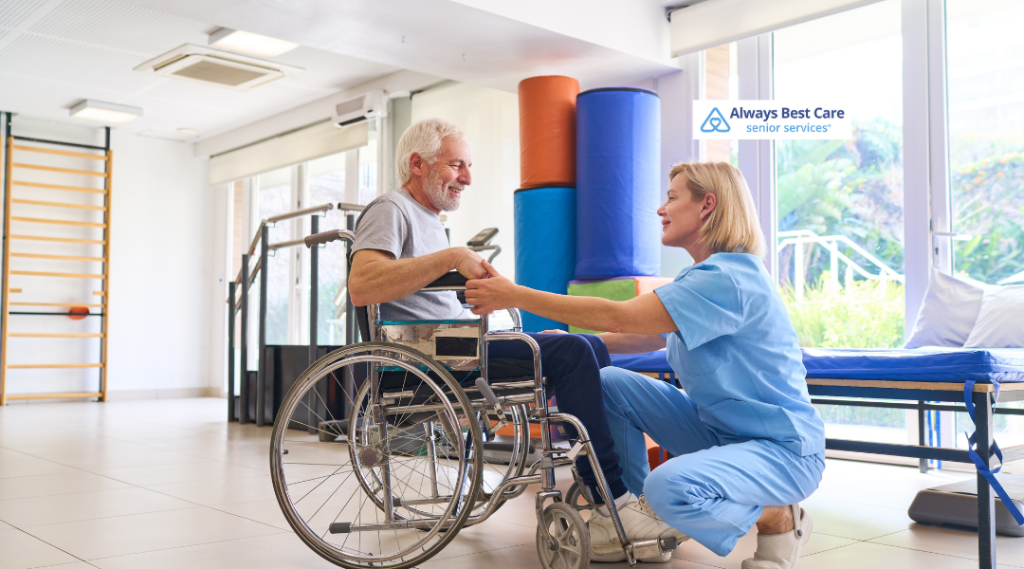
Skilled Nursing Supports ALS Patients With Mobility Care
Let’s talk movement—because this is often where challenges show up first.
Even getting comfortable in bed or repositioning safely can become tricky. That’s where skilled nurses step in with steady, gentle support.
Here’s how they help with mobility:
- Safe repositioning in bed or chairs
- Assistance with transfers (bed to chair, chair to wheelchair, etc.)
- Preventing pressure discomfort through regular movement
- Encouraging safe, supported mobility whenever possible
No rush, no pressure—just careful, thoughtful care.
Skilled Nursing Supports ALS Patients With Breathing Care
Now, breathing support is a big one. And yeah, it can sound intimidating at first—but skilled nurses are trained for exactly this.
They don’t just “check equipment.” They watch, listen, and respond to changes with calm precision.
Respiratory support may include:
- Monitoring breathing patterns
- Managing respiratory equipment
- Ensuring oxygen devices are working properly
- Noticing early signs of breathing discomfort
It’s not about fear—it’s about staying ahead of issues before they become emergencies.

Daily Care Made Less Overwhelming
Daily routines don’t stop just because life gets more complex.
Bathing, dressing, medications—it all still needs attention. And when families try to handle everything alone, burnout sneaks in fast.
Skilled nursing helps lighten that load.
Daily support often includes:
- Personal care assistance
- Medication reminders and management
- Meal support and hydration monitoring
- Maintaining comfort and cleanliness throughout the day
It’s the kind of help that quietly keeps everything running in the background.
Skilled Nursing Supports ALS Patients and Family Peace of Mind
Here’s something people don’t talk about enough: caregiving can be emotionally heavy.
Families want to do everything right, but they’re human. They get tired, worried, and sometimes unsure.
Having skilled nursing in the home brings a kind of calm that’s hard to describe.
It’s like… okay, we’re not doing this alone anymore.
And that changes everything.
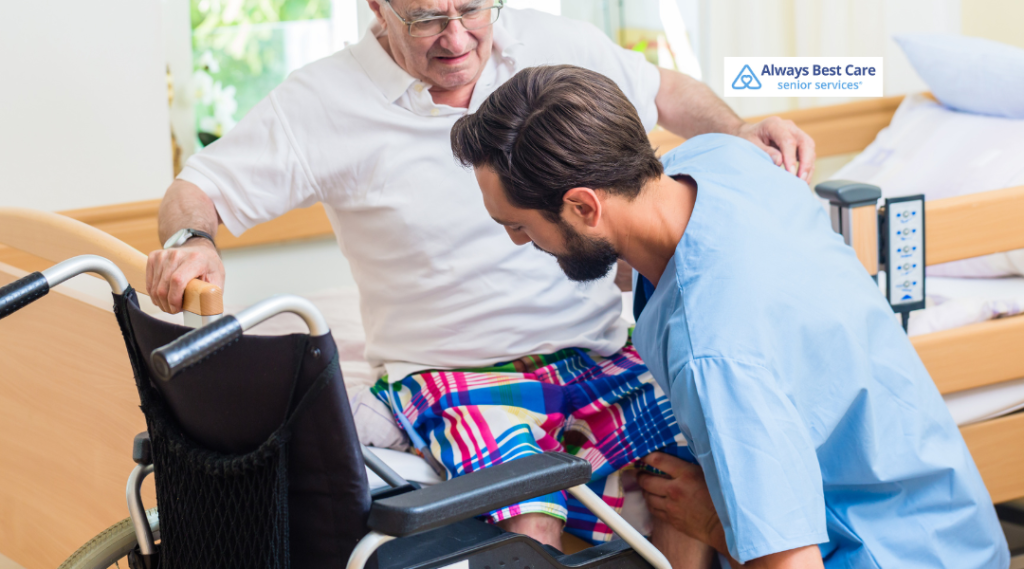
The Emotional Side of Care
Care isn’t just physical—it’s emotional too.
Skilled nurses often become a steady, reassuring presence. They know when to step in and when to simply be there.
And those small moments? They matter more than people realize.
A gentle conversation. A shared smile. A quiet moment of reassurance. It all adds up.
Skilled Nursing Supports ALS Patients in Milwaukee With Dignity
At the heart of it, this is really about dignity.
ALS may change abilities, but it doesn’t erase identity. Skilled nursing helps preserve comfort, routine, and respect through every stage.
And in Milwaukee homes, that means families can focus less on stress—and more on connection.
FAQs
Q: What does skilled nursing do for ALS patients at home?
A: Skilled nursing provides medical support, mobility assistance, respiratory monitoring, and help with daily care routines in a home setting.
Q: Can skilled nursing help reduce caregiver stress?
A: Yes, it significantly reduces caregiver burnout by sharing daily responsibilities and providing professional care support.
Q: Is skilled nursing only for advanced ALS stages?
A: Not at all. It can be helpful at any stage of ALS, depending on the patient’s needs and progression.
Q: How does Always Best Care of Milwaukee support ALS families?
A: Always Best Care of Milwaukee provides compassionate, skilled nursing support, assisting with mobility, daily care, and comfort so families can focus on meaningful time together.

Compassionate ALS Care That Makes Every Day Stronger
ALS brings challenges that no family expects—but support can make those challenges feel a lot more manageable. With skilled nursing, daily life becomes more structured, safer, and less overwhelming.
It’s not about taking over—it’s about standing alongside families and patients, step by step.
If you’re looking for compassionate, professional help at home, Always Best Care of Milwaukee is here to support you. Reach out today at (262) 439-8616 to schedule a care consultation with us and take the next step toward comfort, dignity, and peace of mind in everyday care.
Link to the Markdown File version of this article.