

Milwaukee Seniors & COPD: Practical Ways to Breathe Easier at Home
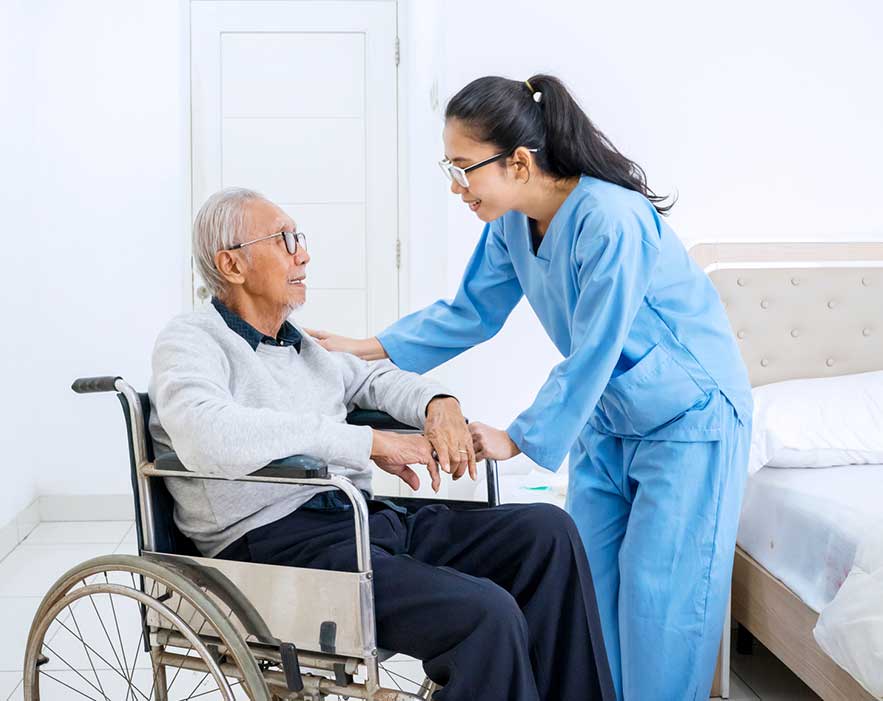
Chronic Obstructive Pulmonary Disease — better known as COPD — is one of the most common long-term health conditions affecting older adults in the United States. For seniors in Milwaukee, where cold winters and seasonal air quality changes can add extra strain on the lungs, managing COPD at home requires both the right habits and the right support system.
The good news: COPD is manageable. With consistent care, practical adjustments, and help from trained caregivers, seniors can breathe easier and maintain a meaningful quality of life without leaving the comfort of home.
What you will learn:
- Understanding COPD Essentials: Discover what COPD is and how to recognize its common symptoms in daily life.
- Effective Home Management: Explore practical ways to create a comfortable environment by focusing on air quality, nutrition, and hydration.
- Supportive Daily Routines: Learn about the benefits of gentle movement, specialized breathing techniques, and consistent medication habits.
- Professional Care Options: Find out how personalized in-home support can help seniors maintain their independence and safety.
Table of Contents
What Is COPD — and Why Does It Matter for Seniors?
COPD is an umbrella term for progressive lung diseases — primarily chronic bronchitis and emphysema — that restrict airflow and make breathing increasingly difficult. It is the fourth leading cause of death in the U.S. and disproportionately affects adults over 65.
What makes COPD particularly challenging is how gradually it develops. Many seniors dismiss early symptoms as simply “getting older,” which delays diagnosis and treatment.
Watch for these common signs:
- Persistent cough or wheezing
- Shortness of breath during routine tasks
- Chest tightness
- Frequent respiratory infections
- Unexplained fatigue or low energy
What makes COPD particularly challenging is that symptoms often develop gradually, making them easy to dismiss as normal aging. Early diagnosis and consistent management are essential to slowing progression and protecting quality of life.
Practical Strategies for Managing COPD at Home
Stick to Your Treatment Plan
COPD management typically involves inhalers, oral medications, and in some cases, supplemental oxygen. These treatments only work when used consistently and correctly. Missed doses or improper inhaler technique can lead to preventable flare-ups.
Family members and in-home caregivers play a key role here — providing medication reminders, tracking symptoms, and flagging concerns to healthcare providers before they escalate.
Improve Indoor Air Quality
Milwaukee winters mean windows stay closed for months, which can trap indoor pollutants that irritate the lungs. For seniors with COPD, indoor air quality is not a minor detail — it directly affects how well they breathe day to day.
Steps to reduce indoor irritants:
- Use HEPA air purifiers in frequently used rooms
- Replace HVAC filters regularly
- Avoid aerosol sprays, scented candles, and harsh cleaning products
- Keep the home free of dust, mold, and pet dander
- Ensure proper ventilation when cooking
These changes are simple but can significantly reduce the frequency and severity of flare-ups.
Keep Moving — Safely
It may seem counterintuitive, but regular physical activity is one of the most effective tools for managing COPD. Gentle movement strengthens the respiratory muscles, improves circulation, and supports overall energy levels.
Seniors should focus on low-impact activities such as short walks, light stretching, or chair-based exercises. Any activity plan should be approved by a healthcare provider and adapted to the individual’s current abilities. On high-pollution or extreme cold days in Milwaukee, indoor alternatives are a smart substitute.
Master Breathing Techniques
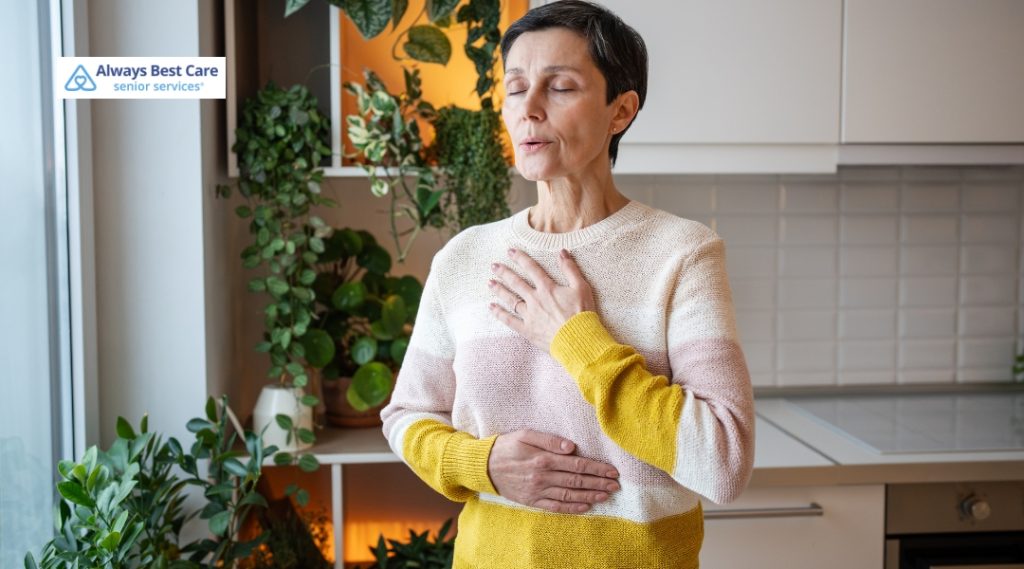
Two techniques — pursed-lip breathing and diaphragmatic breathing — are widely recommended for COPD management. Both help slow breathing, reduce the effort required to breathe, and ease anxiety during episodes of breathlessness.
These are skills that can be learned quickly and practiced daily, often with guidance from a respiratory therapist or home health nurse.
Prioritize Nutrition and Hydration
COPD increases the body’s energy demands, meaning seniors may need more calories than expected while also feeling too fatigued to eat well. A nutrient-dense diet — rich in lean proteins, vegetables, whole grains, and healthy fats — supports lung function and immune health.
Staying well-hydrated is equally important. Adequate fluid intake helps thin mucus secretions, making it easier to clear the airways. Caregivers can assist with meal planning and preparation to ensure seniors are consistently nourished.
Know When to Call for Help
COPD symptoms fluctuate, and recognizing early warning signs of a flare-up can prevent a trip to the emergency room.
Seek prompt medical attention if you notice:
- A sudden increase in shortness of breath
- Changes in mucus color, consistency, or volume
- Fever or chills
- Increased confusion or unusual fatigue
- Difficulty completing everyday tasks
Having a written action plan — developed with a physician — helps seniors and caregivers respond quickly and appropriately.
How Always Best Care of Milwaukee Supports Seniors with COPD
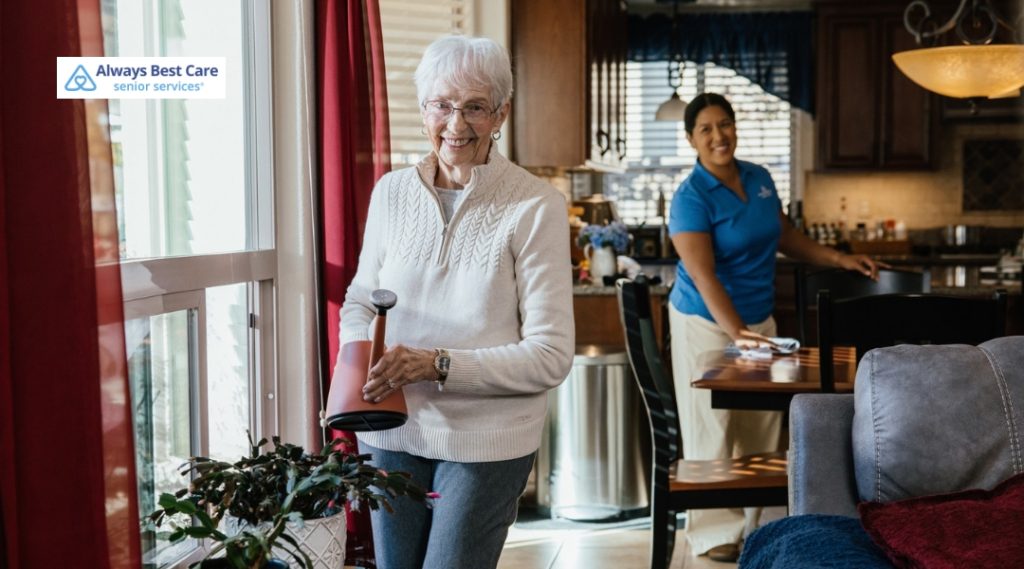
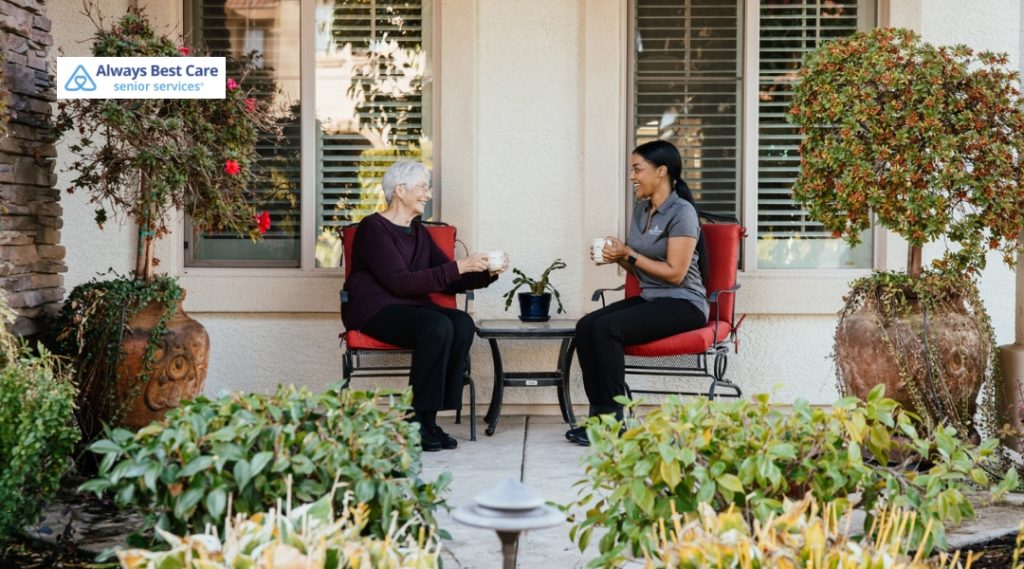
Managing COPD is a daily commitment, and it is one that no senior should have to handle alone. Always Best Care of Milwaukee provides personalized in-home care that helps seniors stay comfortable, safe, and independent.
Our caregivers can assist with:
- Medication reminders and symptom monitoring
- Light housekeeping to maintain clean indoor air
- Meal preparation and hydration support
- Encouragement and assistance with safe physical activity
- Companionship to reduce stress and emotional isolation
- Transportation to medical appointments and follow-up visits
For seniors who need a higher level of support, our home health services connect families with skilled nursing professionals who can coordinate directly with physicians and specialists.
Helping Milwaukee Seniors Breathe Better Every Day
COPD does not have to define a senior’s daily life. With the right combination of medical care, home adjustments, and compassionate support, older adults in Milwaukee can continue doing the things they love — on their own terms, in their own home.
If your loved one is living with COPD and could benefit from extra support, Always Best Care of Milwaukee is ready to help. Call us today at (262)300-8958 to schedule a free care consultation.
Frequently Asked Questions About COPD and Senior Home Care
Q: Can COPD be reversed or cured?
A: COPD is a progressive condition, meaning it cannot be reversed or cured. However, with proper treatment and lifestyle management, symptoms can be controlled, and the rate of progression can be slowed significantly.
Q: Is it safe for a senior with COPD to live alone?
A: It depends on the severity of the condition. Many seniors with mild to moderate COPD can live independently with some additional support — such as in-home care services, regular check-ins, and a clear emergency action plan. As COPD advances, more consistent supervision may be needed.
Q: How does cold weather in Milwaukee affect COPD?
A: Cold, dry air can trigger bronchospasms and worsen breathlessness in people with COPD. Seniors should cover their nose and mouth when going outside in winter, limit time outdoors on extremely cold days, and ensure their home is properly heated and humidified.
Q: What is the difference between a COPD flare-up and normal symptoms?
A: A flare-up — also called an exacerbation — involves a noticeable worsening of symptoms beyond the individual’s usual baseline. This may include increased breathlessness, changes in mucus, or new symptoms like fever. Flare-ups require prompt medical attention and should not be managed at home without guidance.
Q: How can in-home care help someone with COPD?
A: In-home caregivers provide practical, day-to-day support that reduces the physical and emotional burden of managing COPD. This includes medication reminders, maintaining a clean environment, preparing nutritious meals, and offering companionship — all of which contribute to better symptom management and overall well-being.
Link to the Markdown File version of this article.