
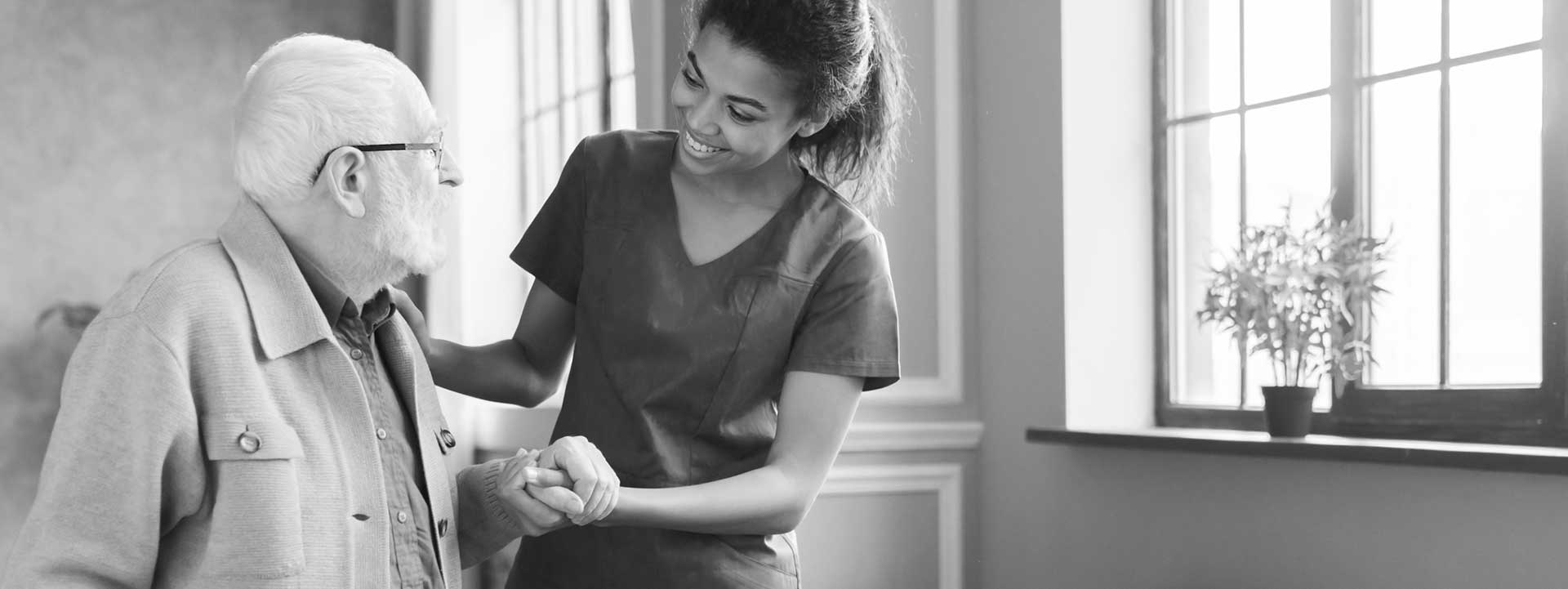
Safeguarding Milwaukee Seniors: Preventing Elder Abuse and Promoting Safe, Respectful Care

No one wants to imagine a parent or grandparent being mistreated. Yet elder abuse is, sadly, a real and growing problem that touches millions of older adults every year—often behind closed doors, and often at the hands of people they once trusted. It can happen in a house that’s always felt like home, in a care setting, or within a long-standing relationship.
That’s why families in Milwaukee, WI, need straight talk, clear signs to watch for, and practical steps that actually help. By learning what elder abuse looks like and staying engaged, we can work together to keep our loved ones safe, respected, and treated with the dignity they’ve earned over a lifetime.
What you will learn:
- How to recognize elder abuse and understand the different forms it can take.
- The common warning signs and risk factors that may put older adults at greater risk.
- Practical ways families can help protect seniors and promote their safety and well-being.
- How professional in-home caregivers and community resources can support abuse prevention and provide help when concerns arise.
Table of Contents
What Is Elder Abuse?
Elder abuse happens when an older adult is harmed—or put at serious risk of harm—through an intentional action or a failure to act. Sometimes, more than one kind of abuse happens at the same time, which can make it even harder to untangle.
Common forms of elder abuse include:
- Physical abuse – Hitting, pushing, rough handling, or using restraints in a harmful or unnecessary way.
- Emotional abuse – Yelling, threats, humiliation, intimidation, or isolating someone from people they care about.
- Financial exploitation – Misusing money, forging signatures, pressuring someone to change a will, or coercing them to hand over cash or property.
- Neglect – Not providing basics like food, water, hygiene, clean clothing, medications, or needed medical care.
- Abandonment or lack of supervision – Leaving a senior alone when they clearly need help or regular oversight.
Once we recognize that elder abuse isn’t just bruises or obvious conflict—but also silence, avoidance, missing money, or unmet needs—it becomes easier to spot trouble early.

Warning Signs Families in Milwaukee, WI Should Watch For
Elder abuse doesn’t always shout; it often whispers. The signs can be subtle, especially at first, and easy to dismiss as “just getting older.” Still, certain changes should make us pause and ask a few more questions.
Possible warning signs include:
- Unexplained bruises, frequent falls, or injuries that don’t match the story being told
- Sudden mood swings, anxiety, depression, or pulling away from friends and family
- Poor hygiene, dirty clothes, strong odors, or a cluttered, unsafe living space
- Unpaid bills, missing valuables, unusual ATM withdrawals, or new “friends” involved with money
- Visible fear, flinching, or hesitation around a particular person
- Big changes in sleep, appetite, or communication that seem out of character
If something just doesn’t sit right, it’s worth trusting your gut and looking more closely. Often, a quiet conversation can reveal far more than we expect.
Risk Factors That Can Increase Vulnerability
Some situations make a senior more likely to be targeted—or more dependent on someone who might not have their best interests at heart. That doesn’t mean abuse is inevitable, but it does mean we should keep our eyes open.
Common risk factors include:
- Social isolation – Few visitors, limited outings, or no nearby friends and family
- Cognitive decline – Dementia, memory loss, or confusion that makes it easy to manipulate or mislead someone
- Physical limitations – Trouble walking, bathing, dressing, or preparing meals, leading to heavy reliance on a caregiver
- Financial dependency or lack of oversight – One person controlling all accounts or documents with no outside review
- Caregiver stress and burnout – Overwhelmed, unsupported caregivers who may lose patience or make unsafe choices
By addressing these risks early—before a crisis hits—we can make it less likely that abuse will take root.

Steps Families Can Take to Prevent Elder Abuse
Preventing elder abuse isn’t about hovering; it’s about staying present, informed, and involved. Families in Milwaukee can build a protective circle around their loved ones with a few practical habits.
Helpful steps include:
- Checking in regularly through visits, calls, or video chats—not just during holidays
- Staying familiar with daily routines, medications, and care needs
- Reviewing bank statements and important documents, with permission, to catch odd changes
- Encouraging social ties: faith communities, senior centers, clubs, and safe outings
- Talking openly about money, scams, and who has access to accounts
- Supporting caregivers with breaks, resources, and honest conversations so stress doesn’t boil over
A culture of openness—where questions are welcome, and secrets are rare—goes a long way toward elder abuse prevention.
The Role of Professional In-Home Care in Milwaukee, WI
Professional in-home care can be a powerful safeguard against abuse, especially for seniors who want to age in place but need extra support.
At Always Best Care of Milwaukee, WI, we take elder abuse prevention seriously. We carefully screen and train our caregivers, focusing not just on skills, but on compassion, patience, and respect. We work with families to create a safe, steady routine that protects dignity while offering the right level of help.
Our caregivers can:
- Assist with bathing, dressing, meals, and mobility in a gentle, respectful way
- Keep an eye out for concerning changes in mood, behavior, or physical condition
- Communicate with families about what they’re seeing day-to-day
- Provide companionship so seniors feel less isolated and more engaged
By being present in the home and building trust, we help reduce opportunities for mistreatment and shine a light on small problems before they become big ones.

What Should You Do If You Suspect Abuse?
If you suspect that something is wrong, it’s important not to ignore that feeling. Acting quickly can prevent more harm and may even save a life.
Steps to take:
- Talk privately with your loved one in a calm, safe setting. Ask open-ended questions and listen carefully.
- Write down what you notice—dates, times, injuries, comments, and financial concerns. Details matter later.
- Reach out to professionals, such as:
- Local adult protective services
- Primary care providers or other healthcare professionals
- Law enforcement, if there’s immediate danger or serious harm
We at Always Best Care of Milwaukee, WI, can also help families think through what they’re seeing and connect them with local resources. No concern is “too small” to ask about.
Creating a Safer Future for Seniors in Milwaukee, WI
Elder abuse prevention isn’t a one-person job. It takes families, neighbors, healthcare providers, and care agencies all pulling in the same direction. By staying informed, talking openly, and checking in regularly, we can create a safer environment for older adults across Milwaukee.
At Always Best Care of Milwaukee, WI, we’re committed to providing compassionate, trustworthy care that honors each senior’s story. We work closely with families to build care plans that emphasize safety, respect, and everyday comfort at home.
If you’re looking for supportive care for a loved one, we’re here to walk that road with you and help bring peace of mind to the whole family.
FAQs
Q: What is the most common sign of elder abuse?
There isn’t just one; however, sudden, unexplained changes—like bruises, mood shifts, or withdrawn behavior—often show up early and should never be brushed aside.
Q: Can elder abuse happen even if a caregiver seems kind?
Yes. Abuse can be hidden behind a friendly face. That’s why regular check-ins, honest conversations, and watching for patterns over time are so important.
Q: How does in-home care help with elder abuse prevention?
Consistent, professional care adds an extra layer of oversight, helps reduce isolation, and creates more opportunities for someone to notice and report concerns.
Q: What if my loved one denies that anything is wrong?
Some seniors feel embarrassed, scared, or loyal to the person hurting them. Keep listening, keep watching, and reach out to professionals if your concerns persist.
Q: How can Always Best Care of Milwaukee, WI, support our family?
We provide carefully screened caregivers, personalized in-home care, and ongoing communication with families—all with an eye toward safety, respect, and elder abuse prevention.

Create a Stronger Support System
Elder abuse can be hard to face, but looking the other way isn’t an option. By knowing the warning signs, addressing risk factors, and staying closely involved, families in Milwaukee, WI, can play a powerful role in keeping their loved ones safe.
We are dedicated to supporting that effort through reliable, compassionate in-home care and a firm commitment to elder abuse prevention. If you’re ready to talk about how we can support your family’s needs, we’re here to help you take the next step with confidence.
Call Always Best Care of Milwaukee at (817)214-2860 to schedule a care consultation and learn how we can support your family with safe, respectful, and reliable in-home care
Link to the Markdown File version of this article.