
Managing Medication in Hot Weather: What Families Should Know in Milwaukee

When summer really starts to sizzle in Milwaukee, managing medication in hot weather becomes more than just a daily to‑do—it’s a safety issue for the seniors you love. The combination of higher temperatures, humidity, and certain prescriptions can quietly increase the risk of dehydration, dizziness, or even serious heat‑related illness.
Some medications can make it harder for an older adult’s body to cool itself, stay hydrated, or tolerate time in the sun. Others may become less effective—or even unsafe—if they’re stored in too much heat. That’s why families who are already juggling busy lives need a practical, simple game plan for keeping Mom or Dad safe when the forecast climbs.
What you will learn
- How hot weather can affect medication safety for seniors
- Which types of medications may increase heat sensitivity
- Key hydration tips and warning signs to watch for
- Smart habits for storing medications in summer
- How home care can support safe routines during hot weather
Table of Contents
How Hot Weather Can Affect Medication Safety
Hot days don’t just feel uncomfortable; they can actually change how medications work in an older body. When a senior is already managing chronic health conditions, that extra layer of stress from the heat can be a bit like stacking one more brick onto an already full load.
Medications That May Increase Heat Sensitivity
Some common prescriptions can interfere with the body’s ability to cool down or stay balanced in the heat. These may include:
- Diuretics (“water pills”)
- Certain blood pressure medications
- Some heart medications
- Antidepressants and antipsychotics
- Medications for Parkinson’s disease
- Antihistamines and some allergy medications
These medications may:
- Slow down sweating, which is one of the body’s main cooling systems.
- Change how the body holds onto fluids and electrolytes.
- Increase the risk of heat exhaustion or heat stroke when combined with high temperatures or humidity.
If your loved one takes several prescriptions, it’s especially important to know which ones might increase heat sensitivity and to ask the prescribing provider or pharmacist for guidance.

Why Seniors Face Greater Risks
Even without medication in the picture, older adults naturally have a harder time regulating body temperature. Age‑related changes can affect thirst, circulation, and how quickly the body responds to heat.
On top of that, many seniors:
- Take multiple medications for chronic conditions.
- Live with heart disease, diabetes, or lung issues that already strain the body.
- May not always notice early signs of overheating or dehydration.
All of this means that a Milwaukee heat wave can be more than “a little uncomfortable” for an aging parent—it can become a genuine health risk unless families stay proactive.
Staying Hydrated and Monitoring for Warning Signs
Hydration is one of the simplest, most powerful tools you have for managing medication in hot weather. Even mild dehydration can make side effects feel worse and increase confusion or fatigue.
The Importance of Consistent Hydration
Instead of chasing thirst, aim for steady hydration throughout the day. Helpful habits include:
- Offering small amounts of water frequently rather than large, occasional glasses.
- Including hydrating foods such as berries, melon, cucumbers, or soups if permitted.
- Following the physician’s recommendations, especially if your loved one has heart or kidney issues, where fluid intake must be monitored.
- Limiting sugary drinks and avoiding alcohol, which can worsen dehydration.
Keeping a favorite water bottle or cup within reach can make it easier for seniors to sip without feeling pressured.
Signs Families Should Watch For
During hot and humid days, especially when medications are in the mix, keep an eye out for:
- Dizziness or lightheadedness
- Unusual fatigue or “wiped out” feeling
- Confusion, disorientation, or changes in speech
- Headaches that don’t ease with rest and fluids
- Increased weakness, shakiness, or trouble walking
If any of these symptoms appear suddenly or seem to be getting worse, it’s time to move your loved one to a cooler space, encourage fluids if allowed, and contact a healthcare professional for guidance. In an emergency, call 911.
Proper Medication Storage During Summer
Managing medication in hot weather isn’t just about what a senior takes—it’s also about where those pills and liquids live during a Midwest summer. Heat can break down certain medications, making them less effective or potentially unsafe.
Protecting Medications From Heat
Good summer storage habits can go a long way:
- Keep medications in a cool, dry place away from direct sunlight.
- Avoid leaving pill organizers, prescription bottles, or insulin in a hot car, even “just for a few minutes.”
- Don’t store medications on a sunny windowsill, near stoves, or next to heaters or vents.
- Check labels for guidance such as “store at room temperature” or “refrigerate” and follow those directions carefully.
If your loved one travels to appointments or outings, consider a small insulated bag or case to protect heat‑sensitive medications while on the go.

When to Contact a Pharmacist
A quick call to the pharmacist can save a lot of second‑guessing. Reach out if:
- You’re unsure whether a medication that sat in a hot car or warm room is still safe.
- The label instructions aren’t fully clear—or you’re not sure what “room temperature” means in a humid Milwaukee summer.
- You notice any change in the color, smell, or texture of a medication.
Pharmacists can advise whether medication should be replaced and how best to store it during heat waves for continued safety.
How Home Care Can Help Seniors Stay Safe
Sometimes, even when you “know what to do,” busy schedules, distance, and caregiving fatigue make it hard to keep every plate spinning. That’s where thoughtful in‑home support can become a lifeline—for both you and your loved one.
Supporting Medication Routines in Milwaukee
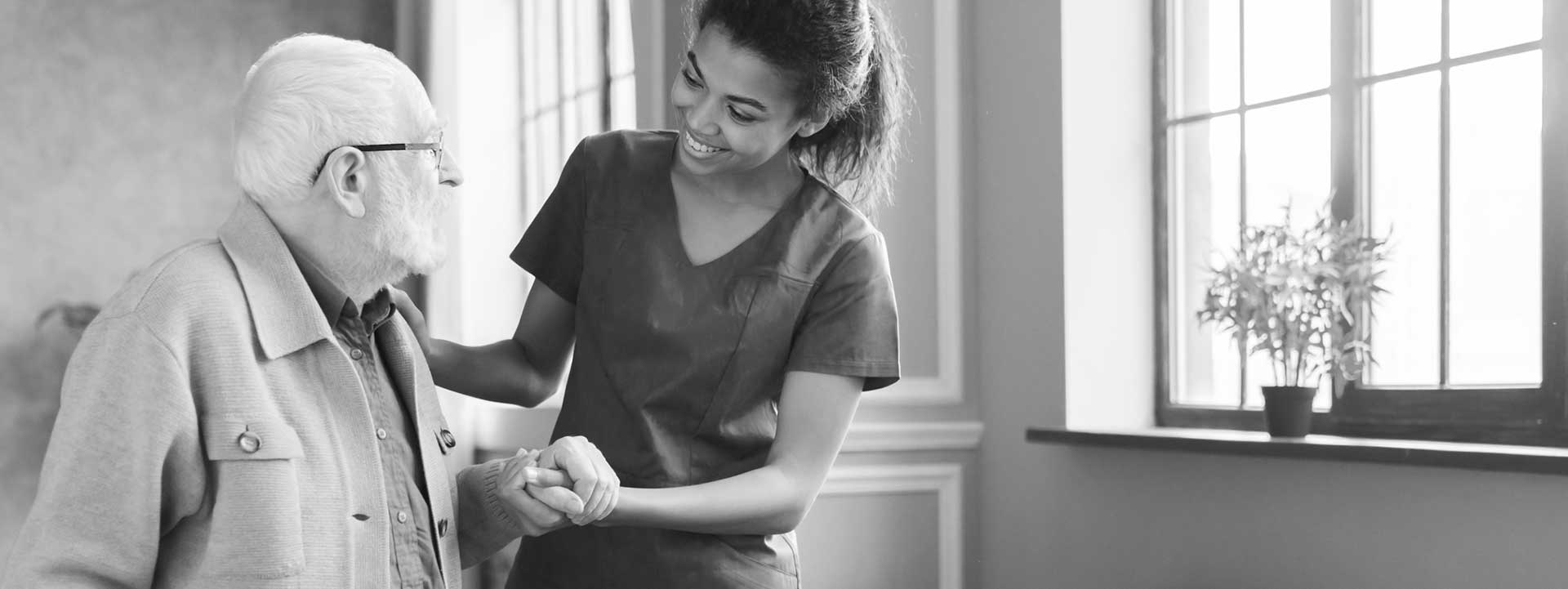
Home care professionals at Always Best Care of Milwaukee can provide gentle structure and an extra set of eyes on daily routines. This may include:
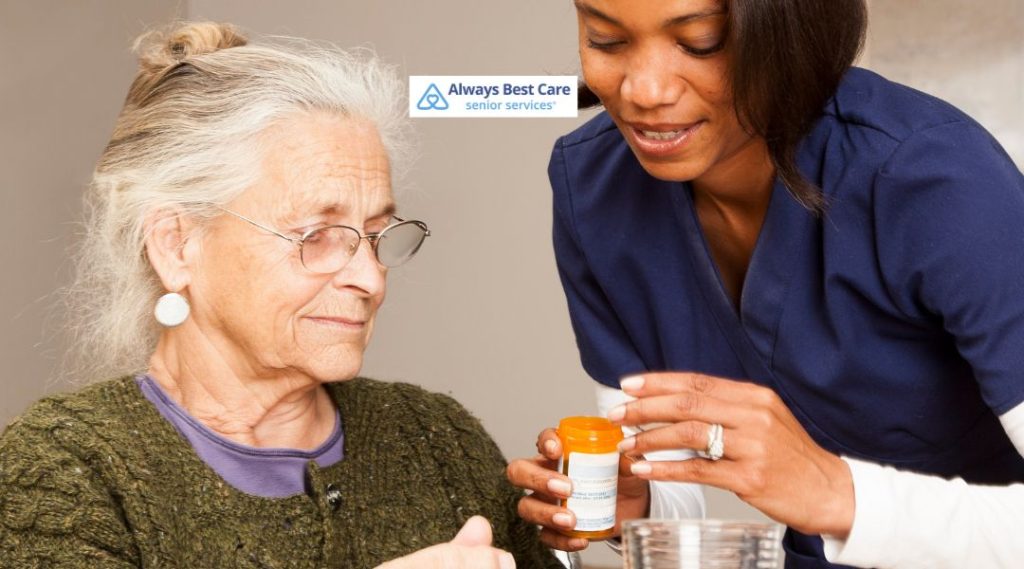
- Friendly medication reminders at the right times throughout the day.
- Helping track whether doses were taken, skipped, or delayed.
- Noticing changes in mood, appetite, energy, or behavior that might signal a problem.
- Promptly reporting concerns to family members so issues don’t escalate.
For forgetful seniors, overwhelmed by multiple prescriptions, or living alone, this kind of support can significantly reduce medication‑related risks during hot weather.

Encouraging Healthy Summer Habits
Beyond medication itself, consistent companionship can shape safer habits when temperatures rise. A caregiver can:
- Encourage steady fluid intake and offer water or approved drinks regularly.
- Assist with bathing, dressing in weather‑appropriate clothing, and staying cool.
- Help adjust daily routines so errands, walks, or appointments happen during cooler parts of the day.
- Provide reassuring company, so your loved one doesn’t feel alone in managing all these details.
In short, home care weaves together medication awareness, hydration support, and daily safety checks into a warm, personal routine tailored to your family’s needs.
FAQ
Q: How often should seniors drink water during hot weather?
A: While exact amounts depend on a person’s health and physician’s guidance, it’s often better for seniors to sip water regularly throughout the day instead of waiting until they feel very thirsty; this steady approach supports safer medication management and overall comfort with the right home support from Always Best Care of Milwaukee.
Q: What should I do if my parents’ medication was left in a hot car?
A: Don’t guess—set the medication aside and call the pharmacist to ask whether it’s still safe or needs to be replaced; getting professional advice quickly helps protect your loved one and gives you peace of mind while coordinating care with resources like Always Best Care of Milwaukee.
Q: Are over‑the‑counter medications a concern in hot weather, too?
A: Yes, even non‑prescription medications such as allergy pills, pain relievers, or sleep aids can affect hydration and heat tolerance, especially in older adults; it’s wise to read labels, ask questions, and keep a close watch on how your loved one feels, potentially partnering with Always Best Care of Milwaukee for added support at home.
Q: How can I tell if heat and medications are affecting my loved one’s thinking?
A: Watch for unusual confusion, trouble following conversations, increased agitation, or “just not acting like themselves,” especially during hotter hours of the day; when in doubt, reach out to a healthcare provider promptly and consider additional in‑home monitoring from Always Best Care of Milwaukee to keep your loved one safe.

A Gentle Nudge to Act Now
When all is said and done, managing medication in hot weather is really about one thing: keeping the seniors you love safe, comfortable, and able to enjoy Milwaukee’s beautiful summer days from the comfort of home. With a little planning—paying attention to hydration, storage, and warning signs—you can significantly lower the risks that heat and medications can create.
If you’d like caring, consistent support to help with medication reminders, hydration encouragement, and day‑to‑day safety checks during the warmer months, the team at Always Best Care of Milwaukee is ready to walk alongside your family. To learn more or schedule a care consultation, call (262)300-8958 or visit Always Best Care in Greater Milwaukee online today; together, we can help your loved one stay safer and more comfortable at home all summer long.
Link to the Markdown File version of this article.