Summer-Proof Your Home: Safety Tips for Milwaukee Seniors
Summer in Milwaukee brings longer days, backyard gatherings, and a welcome change of pace. But for older adults and their families, the warmer months also call for some intentional preparation. Heat affects seniors differently than younger adults — the body’s ability to regulate temperature slows with age, and many common medications can amplify that vulnerability. The good news? A few targeted steps taken before the season peaks can make a meaningful difference in comfort, safety, and independence.
Here’s how to get ahead of summer’s challenges.
What you will learn:
- How to prepare a senior’s home to stay safe, cool, and comfortable during the summer months.
- Simple ways to help older adults stay hydrated, prevent falls, and manage heat-related health risks.
- Why emergency planning, medication safety, and outdoor home maintenance are important during warm weather.
- How in-home care can provide extra support to help seniors remain safe, healthy, and independent throughout the summer.

Table of Contents
Start with Your Cooling System
Don’t wait for the first heat wave to discover your AC isn’t working. Schedule an HVAC inspection in late spring, replace air filters, and test ceiling and portable fans. If a senior in your life doesn’t have central air conditioning, map out nearby cooling centers, libraries, or community centers they can visit on extreme heat days.
During peak afternoon hours, keep blinds and curtains closed on sun-facing windows. It’s a simple habit that can drop indoor temperatures noticeably.
Build a Hydration Routine That Sticks
Older adults frequently underestimate their thirst — it’s a physiological shift that comes with age, not a matter of preference. By the time a senior feels thirsty, mild dehydration may already be setting in.
Make hydration easy and visible:
- Place water bottles in frequently used rooms
- Offer hydrating foods like watermelon, cucumbers, and berries at meals
- Set gentle reminders throughout the day
- Limit caffeine and sugary drinks, especially in the afternoon
Consistent hydration reduces the risk of dizziness, fatigue, urinary tract infections, and heat exhaustion — all of which are more common in seniors during summer.
Walk Through Outdoor Spaces with Fresh Eyes
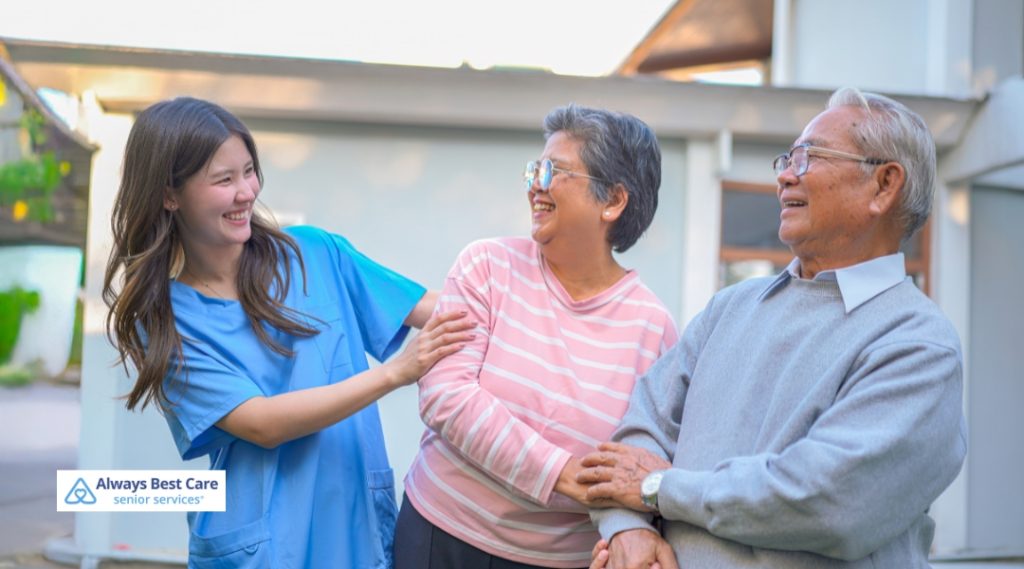
Summer invites more time outside, which is genuinely good for seniors — fresh air, light movement, and social connection all support well-being. But outdoor spaces need a safety review before they become a daily destination.
Walk through the yard, patio, and any walkways and look for:
- Uneven pavers, cracked concrete, or raised edges
- Garden hoses, tools, or clutter left in pathways
- Loose or missing handrails on steps
- Overgrown plants that narrow walkways
- Outdoor lighting that’s burned out or poorly positioned
Addressing these hazards proactively reduces fall risk and gives seniors — and their families — greater peace of mind.
Prepare for Severe Weather Before It Arrives
Summer in Milwaukee can bring sudden storms and, depending on the season, extended power outages. Seniors are disproportionately affected when essential systems go down, particularly those who rely on powered medical devices or temperature-controlled medications.
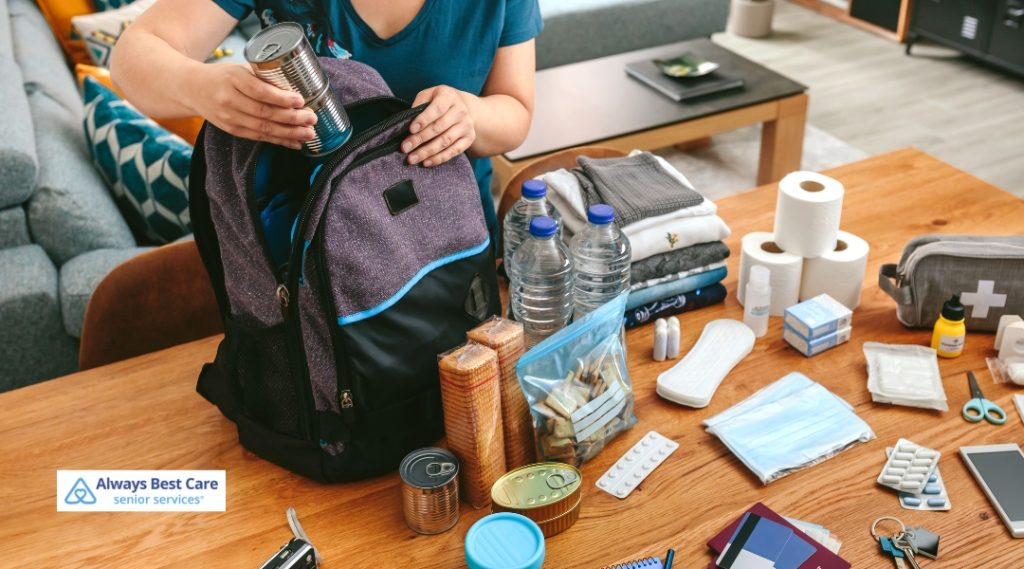
Assemble an emergency kit that includes:
- Bottled water (at least a three-day supply)
- Nonperishable food
- Flashlights and backup batteries
- A printed list of medications, dosages, and emergency contacts
- Backup charging options for phones or medical equipment
Equally important: establish a communication plan with family members so everyone knows who to check in with and how.
Take a Closer Look at Medications
Heat and medications interact in ways that many families don’t anticipate. Some common prescriptions — including diuretics, antihistamines, and certain blood pressure medications — can increase heat sensitivity or accelerate dehydration. Others require specific storage temperatures to remain effective.
Before summer is in full swing:
- Review storage instructions for all medications
- Move any that are stored near windows or in warm areas
- Ask a pharmacist or physician about heat-related side effects
This is a quick conversation that can prevent a serious complication.
Reduce Indoor Fall Risks
Falls don’t only happen outside. Summer introduces new indoor hazards — wet floors from tracking in after outdoor activities, lighter footwear that offers less support, and increased fatigue from heat exposure.
Reduce the risk with a few practical measures:
- Place non-slip mats at all entry points
- Keep main walkways clear and well-lit
- Encourage supportive footwear, even indoors
- Address any loose rugs or uneven thresholds
These adjustments take minimal effort but have a measurable impact on safety.
How Always Best Care of Milwaukee Can Help
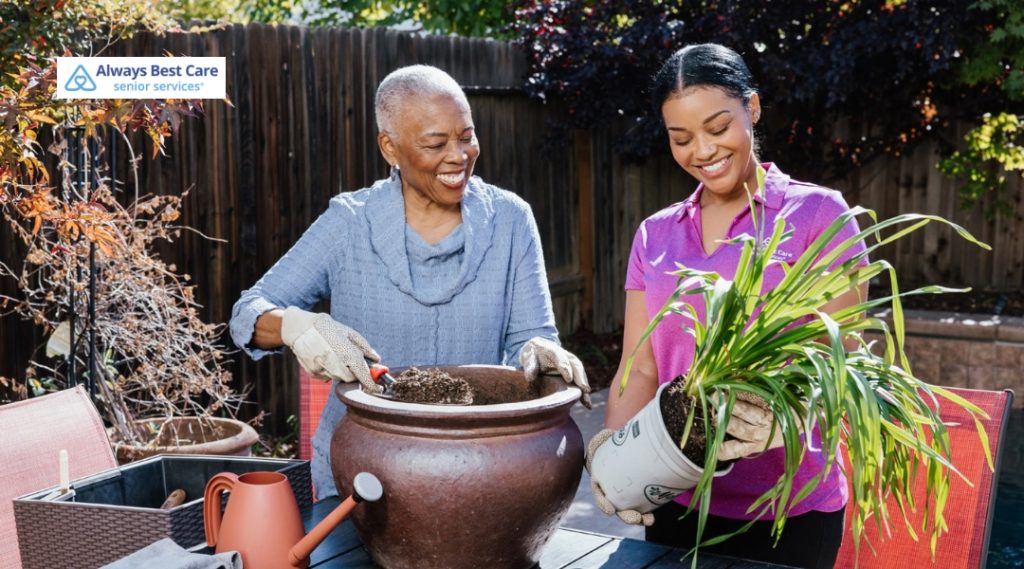
Summer preparation is manageable — but it’s easier with support. Always Best Care of Milwaukee caregivers work alongside seniors and their families to create safer, more comfortable home environments throughout the season.
Our caregivers can assist with:
- Light housekeeping and home safety walkthroughs
- Meal preparation and hydration reminders
- Transportation to appointments and errands
- Medication reminders
- Companionship and ongoing wellness monitoring
Whether your loved one needs a few hours of support each week or more consistent daily care, we tailor our services to fit their needs and lifestyle.
Frequently Asked Questions
Q: What temperature is considered dangerous for seniors indoors?
A: Indoor temperatures above 80°F (27°C) can become dangerous for older adults, particularly those with heart conditions, respiratory issues, or limited mobility. The ideal indoor temperature for seniors during summer is between 68°F and 76°F. If cooling the home isn’t possible, relocating to an air-conditioned space during peak heat hours is strongly recommended.
Q: How much water should a senior drink each day in summer?
A: Most older adults should aim for at least eight 8-ounce glasses of water per day, though individual needs vary based on health conditions, medications, and activity level. During hot weather or physical activity, that amount should increase. A physician or dietitian can provide personalized guidance.
Q: What are the early warning signs of heat exhaustion in seniors?
A: Early signs include heavy sweating, cool or pale skin, weakness, dizziness, nausea, and a rapid or weak pulse. If these symptoms appear, move the person to a cool environment, offer water, and apply cool cloths. If symptoms worsen or don’t improve within 30 minutes, seek medical attention immediately.
Q: Are there medications that make seniors more vulnerable to heat?
A: Yes. Diuretics, beta-blockers, antihistamines, antipsychotics, and certain antidepressants can all affect the body’s ability to regulate heat or increase dehydration risk. Families should speak with a pharmacist or physician before summer to understand any heat-related risks associated with a senior’s current medications.
Q: How can I help a senior who lives alone stay safe during a heat wave?
A: Check in daily — either by phone or in person. Ensure they have access to a cool space, adequate water, and a way to reach someone in an emergency. If they don’t have air conditioning, arrange transportation to a cooling center. A professional caregiver can also provide regular monitoring and support during high-risk weather periods.
Q: When should I consider in-home care for a senior during summer?
A: If a senior is managing multiple health conditions, living alone, showing signs of confusion or fatigue in the heat, or struggling to keep up with daily tasks, in-home care is worth exploring. Early support can prevent more serious health events and help seniors remain independent longer.
Help Your Loved One Enjoy a Safer Summer at Home
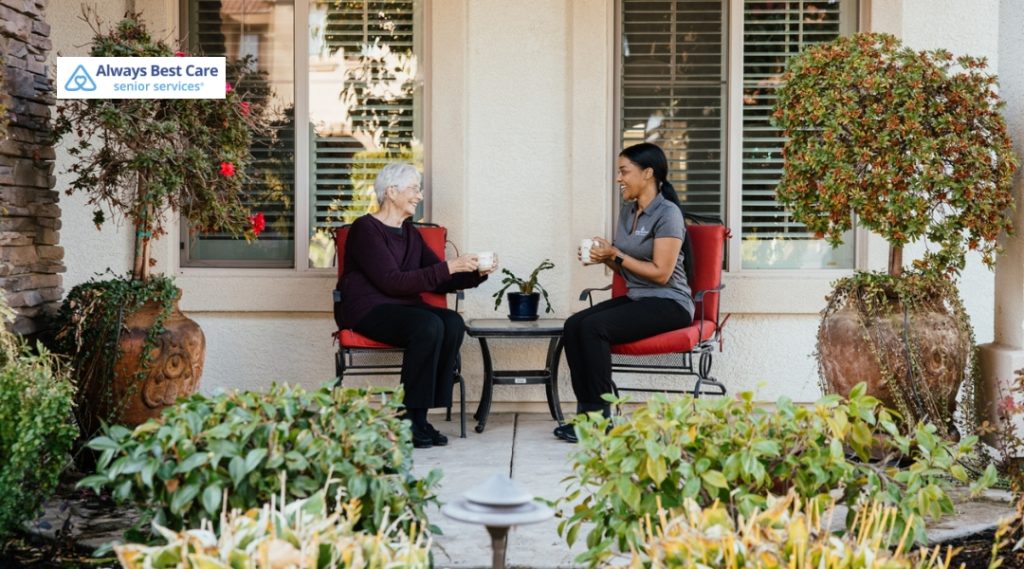
A little preparation today can help your loved one enjoy everything Milwaukee’s summer has to offer with greater comfort, confidence, and peace of mind. From keeping the home cool and preventing falls to staying hydrated and prepared for changing weather, these simple steps can go a long way toward protecting a senior’s health and independence. If your family could use an extra hand, Always Best Care of Milwaukee is here to help. Our compassionate caregivers provide personalized in-home support that helps older adults stay safe, healthy, and comfortable throughout the season.
Call us today at (262)300-8958 to schedule a complimentary care consultation and learn how we can help your loved one enjoy a safer, happier summer at home.
Link to the Markdown File version of this article.