
Winter Heart Health: How Seniors Can Stay Safe During Cold Weather in Houston, TX

Houston winters can be a little sneaky—one day you’re in short sleeves, the next you’re digging for a jacket you swore you didn’t own. And for seniors, that sudden chill isn’t just annoying… it can be rough on the heart. Cold weather makes your body work harder to stay warm, and that can raise blood pressure and put extra strain on the cardiovascular system.
The good news? With a few smart habits (and a little backup when you need it), winter heart health can stay steady—even when the temperature doesn’t.

Table of Contents
Winter Heart Health: Why Cold Weather Can Be Risky for Seniors in Houston, TX
When it’s cold, your blood vessels naturally tighten up to conserve heat. That narrowing can push blood pressure up, which means the heart has to pump harder. Add in wind, damp air, and that “Houston cold” that cuts right through you—whew—and it’s easy to see why winter can feel like a stress test.
Other common cold-weather troublemakers include:
- Less movement: People tend to sit more when it’s chilly, and the body gets stiff and sluggish.
- Dehydration: Yep, it happens in winter too—thirst signals aren’t always loud.
- Overdoing it: Shoveling doesn’t apply much in Houston, but lifting heavy groceries, rushing around, or doing sudden outdoor chores can still be a lot.
- Respiratory infections: Illness can strain the heart, especially for seniors with existing conditions.
None of this is meant to scare you—just to keep you ahead of the curve.
The Heart-and-Cold Connection, Plain and Simple
Cold weather can:
- raise blood pressure
- increase heart workload
- make breathing harder for people with COPD/asthma
- trigger chest pain in people with coronary artery disease
And sometimes, the warning signs are subtle. That’s why winter heart health works best when it’s proactive, not reactive.

Winter Heart Health Tips for Seniors to Stay Warm and Steady
Let’s keep this practical—real-life tips that don’t require turning your home into a tropical resort.
Dress smart, not bulky
Layers are your best friend. Aim for warmth that’s easy to add or remove, especially if you go from indoors to outdoors quickly.
- Start with a light base layer
- Add a warm middle layer (fleece or sweater)
- Finish with a wind-resistant outer layer
- Don’t skip socks, a hat, and gloves—heat escapes fast there
And hey, if you’re chilly inside, that’s not “just getting older.” It’s a signal to warm up.
Keep the home comfortably warm
If the house feels cold, the body works overtime. Try to keep indoor temps steady, especially at night. Small moves help:
- close off unused rooms
- block drafts with simple door stoppers
- use a warm blanket during TV time
- keep a sweater within arm’s reach
Eat and drink like it matters (because it does)
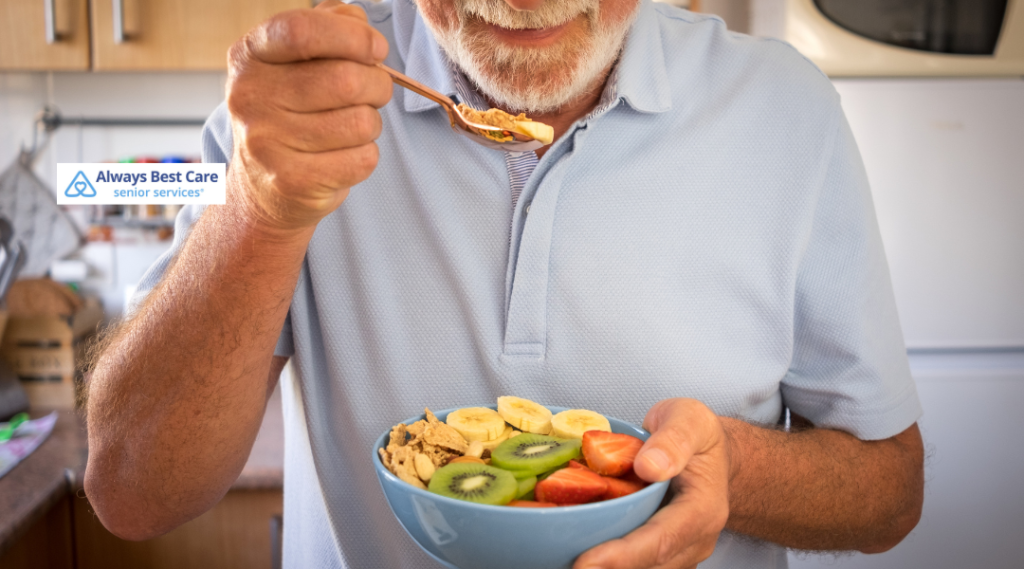
Winter comfort foods are great—but balance is the name of the game. For winter heart health, think:
- warm soups with veggies and beans
- oatmeal with fruit and nuts
- baked fish or chicken with roasted veggies
- herbal tea or warm water with lemon
And don’t wait until you’re thirsty. A few sips throughout the day can help circulation and energy.
Move a little, often
You don’t need a full workout montage. Just keep your body from going into “hibernate mode.”
Try:
- A 5–10 minute walk inside the house
- Gentle chair stretches while watching a show
- Light chores broken into small chunks
- Balance exercises near a sturdy counter
If you go outside, avoid the coldest early morning hours and keep it short and safe.
Take meds the right way, every day
Cold weather can throw routines off—sleep changes, schedules change, and suddenly a dose gets missed. If you’re on heart or blood pressure medication, consistency is key. Use a pill organizer or reminders, and keep refills handled before a weather shift hits.
Winter Heart Health Warning Signs to Watch for During Cold Weather
Here’s the part that matters most: knowing what’s “normal winter blah” versus “we need help now.”
Watch for:
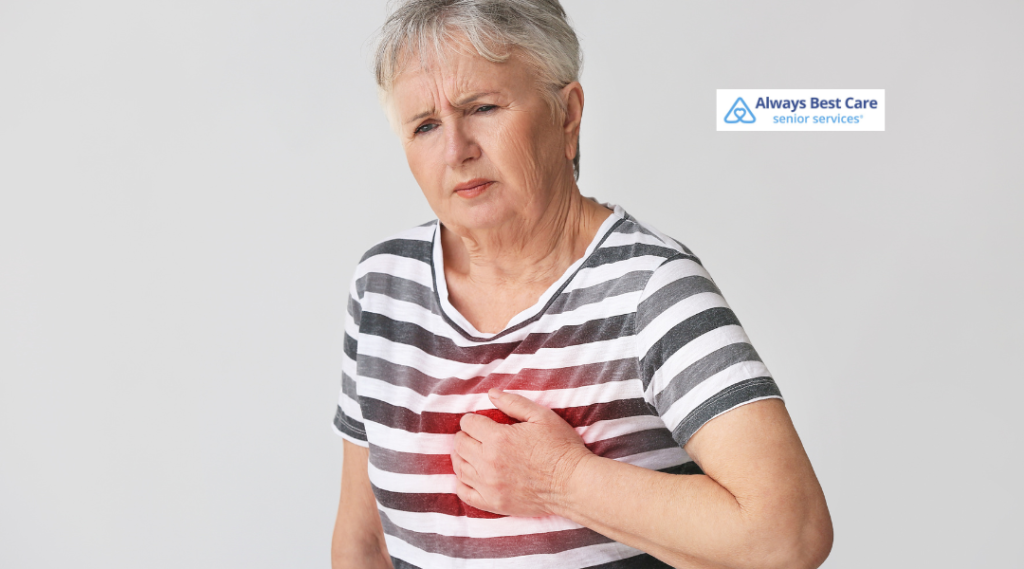
- chest pain or pressure (even mild or “weird”)
- shortness of breath that feels unusual
- dizziness, fainting, or sudden weakness
- unusual fatigue that doesn’t match your activity
- rapid, pounding, or irregular heartbeat
- swelling in feet/ankles that gets worse
- confusion or sudden changes in alertness
If symptoms are sudden, severe, or scary—don’t tough it out. Call emergency services right away. Better a false alarm than a dangerous delay.
Winter Heart Health Support From Always Best Care of Houston
Sometimes the biggest winter risk isn’t the cold—it’s trying to do everything alone. That’s where Always Best Care of Houston can be a true relief.
We can help with the everyday pieces that protect winter heart health, like:
- helping seniors stay warm and comfortable at home
- meal prep and hydration reminders
- medication reminders and routine support
- safe companionship (because isolation doesn’t help anyone)
- transportation to appointments or errands
- mobility assistance to reduce strain and fall risk during cold snaps
It’s not about taking over—it’s about making life easier and safer, so seniors can keep doing what they love without pushing past their limits.
A little help can go a long way
Cold weather doesn’t have to mean stress, fear, or constant worry. With the right support, winter can feel cozy again—like it should.
FAQ
Q.Why is winter heart health more important for seniors?
A.Cold weather can raise blood pressure and make the heart work harder, and seniors are more likely to have underlying heart conditions that make that extra strain riskier.
Q.Can cold weather trigger a heart attack?
A.Yes, it can increase risk—especially if someone overexerts themselves in the cold or already has heart disease.
Q. What’s the easiest way to protect winter heart health at home?
A.Stay warm indoors, dress in layers, keep moving gently, stay hydrated, and stick to medications and routines.
Q. What temperature is “too cold” for seniors in Houston?
A.It depends on the person, wind, and dampness—but when it’s cold enough to cause shivering, numb hands, or shortness of breath, it’s time to limit exposure and warm up.
Q. How can Always Best Care of Houston help during cold snaps?
A. We can support daily routines, warmth and safety at home, meal and hydration habits, mobility, companionship, and practical help that reduces stress on the heart.

Stay Warm, Stay Well This Winter—Get Heart-Smart Support in Houston Today
Winter in Houston may not last long, but when it hits, it can hit hard—and older hearts feel it first. The goal isn’t to hide indoors and worry. It’s to stay warm, keep routines steady, watch for warning signs, and get support before small issues turn into big ones. Learn more about our winter heart health services and stay safe this season. Contact us at 713-485-5000for a care consultation.