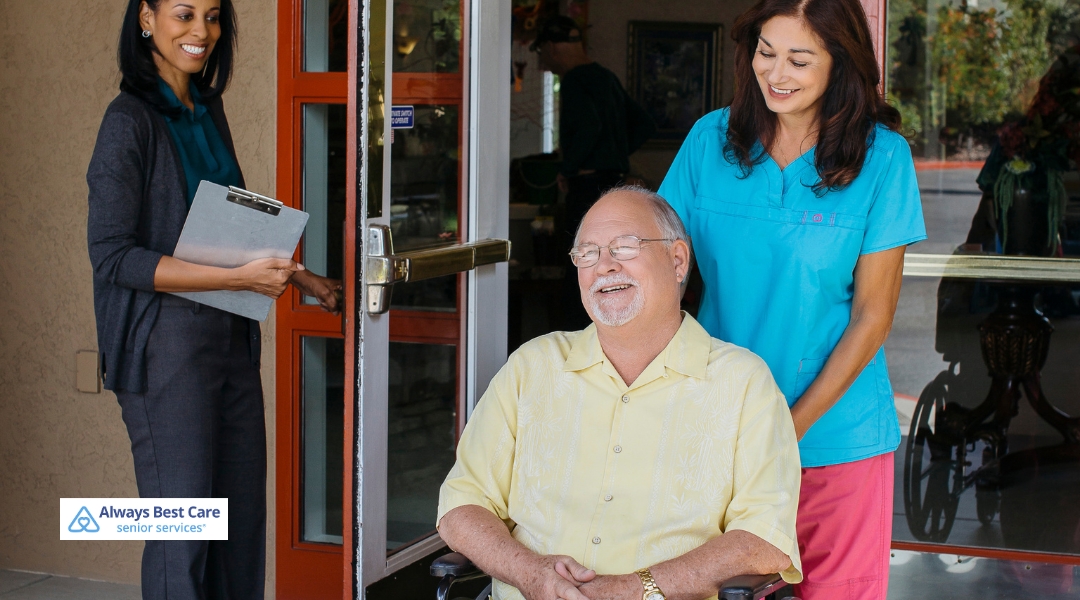

Thriving at Home: Effective Diabetes Management for Seniors in Houston, TX

Diabetes isn’t going anywhere—it’s one of the most widespread chronic conditions affecting older folks today. But here’s the good news: it’s totally manageable when you’ve got the right approach and support system in place. The tricky part? As your loved ones age, managing their blood sugar gets increasingly complicated. Their metabolism shifts, they’re juggling more medications, and suddenly they’re dealing with multiple health issues all at once.
That’s where we come in. At Always Best Care of Houston, TX, we’ve seen firsthand how proper care, education, and consistent monitoring can transform a senior’s life. Many older adults with diabetes can actually live vibrant, active years ahead—they just need the right help getting there. Families and caregivers are essential to this equation, keeping loved ones on track and preventing serious complications down the road.
What you will learn:
- How to manage diabetes for seniors at home, including practical tips on diet, exercise, and medication.
- The common challenges seniors face when managing diabetes and how to overcome them.
- The essential role of in-home caregivers in Houston in supporting diabetes management and enhancing quality of life
- Warning signs to watch out for and how caregivers can make a difference in preventing complications.

Table of Contents
Understanding Diabetes in Older Adults
Let’s get real about what diabetes actually does. It messes with how your body processes glucose (that’s the sugar your cells need for energy), causing blood sugar to climb higher than it should. Left unchecked, this wreaks havoc on the heart, kidneys, eyes, nerves, and basically everything else. It’s not pretty, but it’s preventable.
Seniors typically deal with two main types:
- Type 2 diabetes: The most common culprit, usually tied to insulin resistance and lifestyle patterns
- Type 1 diabetes: Less frequent in older adults, but definitely present in those diagnosed earlier in life
For seniors managing diabetes, it’s not just about blood sugar numbers. They’re often juggling multiple medications, adapting to appetite changes, dealing with reduced activity levels, and managing other health complications that make everyday routines feel overwhelming. Managing diabetes with seniors requires a thoughtful, personalized approach that accounts for all these moving pieces.
Common Challenges Seniors Face with Diabetes in Houston, TX
Here’s what we hear most often from families we work with: consistency is everything, yet it’s incredibly hard to maintain. Older adults frequently struggle with:
- Missing blood sugar checks or insulin doses because they forget
- Skipping meals or eating at odd times due to appetite loss
- Struggling with meal prep because of physical limitations
- Vision problems that make reading medication labels nearly impossible
- Drowning in prescription bottles for different conditions
These obstacles often lead to unpredictable blood sugar swings and a real risk of hypoglycemia—dangerously low blood sugar that’s especially scary for seniors living alone.

Practical Tips for Managing Diabetes at Home
1. Build a Balanced Eating Plan
Food’s the foundation here. A solid diet keeps blood sugar stable and prevents those wild fluctuations that cause problems. Encourage your loved one to eat:
- High-fiber carbs like vegetables, beans, and whole grains
- Lean proteins such as fish, chicken, or tofu
- Minimal added sugars and refined carbs
- Smaller, more frequent meals rather than three big ones
We at Always Best Care can help with meal planning and actually getting food on the table—taking the stress off seniors and their families alike.
2. Get Moving (Gently)
Exercise isn’t just for fitness buffs—it genuinely helps lower blood sugar and boosts circulation, mood, and overall strength. For most seniors, gentle activities work best:
- Walking around the neighborhood or inside the house
- Light stretching or beginner yoga
- Seated exercises for those with mobility issues
- Gardening or light housework
Always chat with a doctor before starting anything new to make sure it’s safe and appropriate.

3. Stay on Top of Medications and Monitoring
This is where things often fall apart—keeping up with meds and glucose testing can feel impossible. We recommend:
- Setting phone reminders for testing and medication times
- Using pill organizers with clear labels
- Keeping a simple log of blood sugar readings
- Scheduling regular checkups with healthcare providers
Our caregivers watch for subtle changes in appetite, mood, or energy levels—these early warning signs often indicate blood sugar problems brewing.
4. Know the Red Flags
Unmanaged diabetes creates serious complications if you’re not paying attention. Watch for:
- Excessive thirst or frequent urination
- Sudden tiredness or weakness
- Blurry vision
- Unexplained weight loss
- Wounds or infections that won’t heal
Don’t wait around if these pop up—call a healthcare provider immediately.

How In-Home Care Supports Diabetes Management in Houston, TX
Let’s be honest: managing diabetes alone is exhausting. That’s why we exist. Always Best Care caregivers step in to handle the day-to-day stuff that makes a real difference:
- Grocery shopping and meal preparation that fit their needs
- Encouraging movement and keeping hydration on track
- Reminding about medications and tracking doses
- Spotting concerning symptoms and reporting them
- Providing genuine companionship that reduces stress
With compassionate, trained support, seniors actually maintain better control and enjoy life more. They’re not stressed out, they’re not isolated, and their health stays on point.
FAQ: Managing Diabetes with Seniors
Q: What blood sugar targets should my senior relative aim for?
A: That depends on their overall health and independence level. Functionally independent older adults should generally aim for an A1C of 7–7.5%, while frailer seniors might target 7.6–8.5% to avoid dangerous low blood sugar episodes.
Q: Is it safe for seniors with diabetes to exercise?
A: Absolutely, but they should check with their doctor first. Low-impact activities like walking, stretching, and chair exercises are typically safe and beneficial.
Q: How can we prevent medication mix-ups?
A: Use labeled pill organizers, set phone reminders, and consider having a caregiver manage the medications. Simplifying the routine prevents dangerous errors.
Q: What should we do if my loved one’s blood sugar drops dangerously low?
A: Keep fast-acting glucose nearby—juice, glucose tablets, or candy work. Have them sit down, take the glucose, and check their blood sugar again after 15 minutes. Call 911 if they’re confused or unconscious.
Q: Can diet changes alone manage diabetes in older adults?
A: Diet’s crucial, but most seniors need a combination approach: healthy eating, regular movement, consistent medication, and ongoing monitoring.

Empower Your Loved Ones: Discover Proven Strategies for Managing Diabetes at Home in Houston, TX!
Managing diabetes with seniors doesn’t have to feel like you’re drowning. It’s absolutely doable when you’ve got a solid plan, the right support, and folks who actually care about making life better. Your loved one can stay healthy, safe, and independent—living the life they deserve.
We’re here to help. Always Best Care of Houston, TX has the experience and compassion to make diabetes management feel manageable again.
Reach out today at 713-485-5000 to schedule a care consultation and discover how our caregivers can support your family with confidence and genuine care.