Helping Seniors Recover After Stroke at Home in Garner
Returning home after a stroke is a significant milestone—but it is also the point where consistent, skilled support matters most. Hospital stays and inpatient rehabilitation provide a strong foundation, yet recovery continues long after discharge.
For many stroke survivors, home health services bridge the gap between clinical care and everyday life, delivering the medical expertise and personal attention needed to keep progress moving forward.
What you will learn:
- How home health services support stroke recovery after returning home in Bristol.
- The role of skilled nursing, physical therapy, and occupational therapy in rebuilding independence.
- Ongoing monitoring and early detection are essential to prevent setbacks.
- How compassionate in-home support improves both physical recovery and emotional well-being.
Table of Contents
The Reality of Stroke Recovery at Home
No two strokes are alike. Depending on the severity and location of the brain injury, survivors may face challenges with movement, speech, memory, swallowing, or emotional regulation. Some improvements happen quickly; others take months of steady effort.
Research consistently shows that recovery outcomes improve when care is continuous, personalized, and delivered in a familiar environment. Home health makes that possible. Seniors recover in the space where they actually live—navigating their own hallways, using their own kitchen, sleeping in their own bed—which makes therapy more practical and progress more meaningful.
Skilled Nursing: Medical Oversight Where It Counts
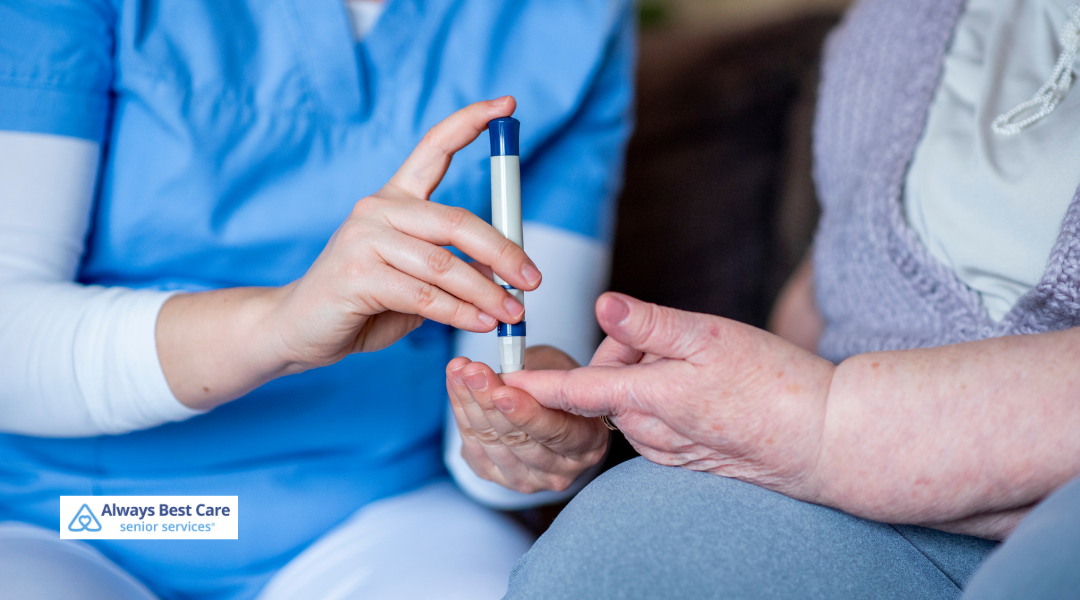
After a stroke, the risk of complications does not disappear at discharge. Blood pressure fluctuations, medication interactions, infection, and the threat of a secondary stroke all require careful monitoring.
A skilled nurse visiting the home provides ongoing medical oversight that keeps recovery on track.
Home health nursing services typically include:
- Monitoring vital signs and identifying early warning signs
- Managing complex medication regimens and educating patients on proper use
- Assessing for signs of a secondary stroke or neurological changes
- Wound care if surgical intervention was part of the treatment
- Coordinating care plans with the patient’s physician and specialist team
- Supporting family members with education on what to watch for
For seniors managing additional conditions such as diabetes, heart disease, or hypertension, skilled nursing ensures that stroke recovery does not happen in isolation from their broader health picture.
Physical Therapy: Rebuilding Strength and Movement
Weakness or paralysis on one side of the body is one of the most common effects of a stroke. Physical therapy directly addresses this, helping survivors rebuild the strength, coordination, and balance needed for safe, independent movement.
A home health physical therapist in Garner focuses on:
- Strengthening affected muscle groups through targeted exercise
- Improving balance and reducing fall risk
- Retraining walking patterns and gait
- Restoring range of motion in affected limbs
- Practicing functional movements specific to the home environment
That last point is particularly valuable. Therapy conducted at home means exercises are tailored to real obstacles—the specific staircase the patient uses, the layout of their bathroom, and the height of their bed. This context-specific approach accelerates practical independence in ways that a clinical setting simply cannot replicate.
Occupational Therapy: Reclaiming Daily Life
Physical recovery is only part of the picture. Stroke survivors often need to relearn how to perform the everyday tasks that define independence—bathing, dressing, preparing meals, and managing household responsibilities.
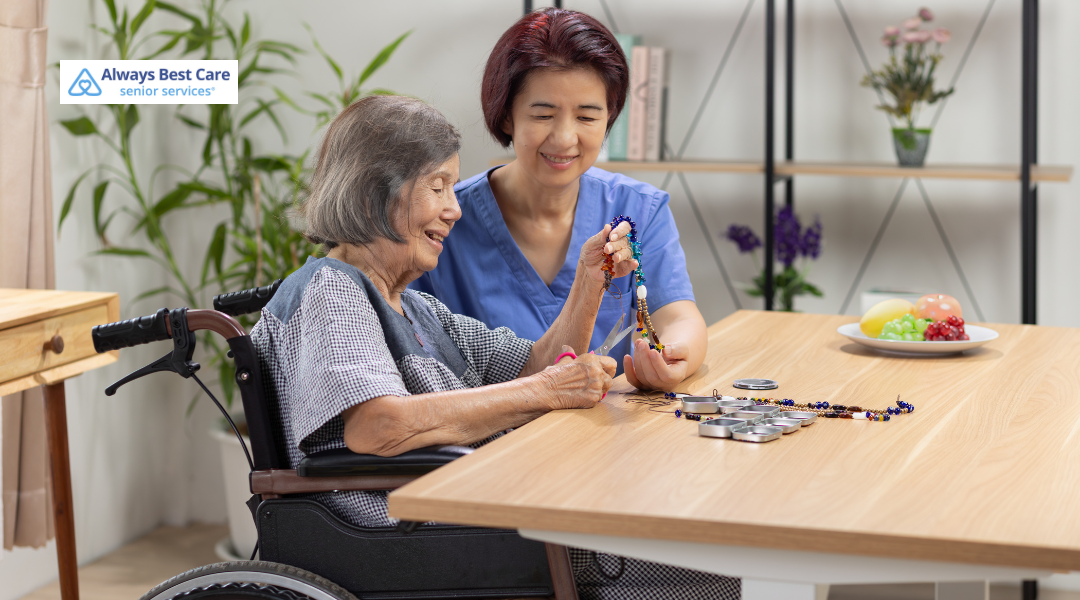
Occupational therapists work with seniors to rebuild these skills using adaptive techniques and tools that account for any lasting physical or cognitive changes.
Occupational therapy services may include:
- Relearning safe bathing, grooming, and dressing routines
- Developing new strategies for cooking and household management
- Improving fine motor skills and hand-eye coordination
- Recommending and training patients on assistive devices
- Conducting home safety assessments and recommending modifications
The goal is not just physical function—it is confidence. When a stroke survivor can independently complete their morning routine or prepare a simple meal, that sense of accomplishment plays a real role in emotional recovery as well.
Monitoring for Complications and Setbacks
Stroke recovery is rarely a straight line. Plateaus, setbacks, and new complications can emerge weeks or months after the initial event. Regular home health visits create a consistent checkpoint system that catches problems early.
Home health teams monitor for:
- Sudden changes in speech, cognition, or movement
- Increased weakness, fatigue, or confusion
- Blood pressure irregularities
- Signs of depression or emotional withdrawal
- Indicators of a secondary stroke or cardiovascular event
Early identification of these warning signs can prevent hospital readmission and protect the progress a patient has already made.
Emotional and Social Support
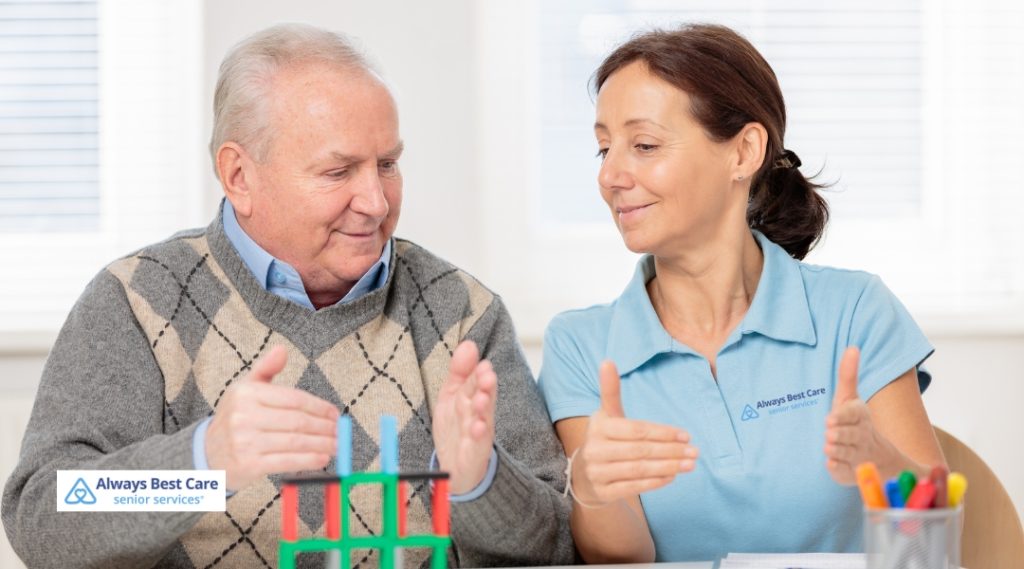
The psychological impact of a stroke is often underestimated. Survivors may grieve the loss of abilities they once took for granted, struggle with frustration during slow progress, or experience clinical depression and anxiety, both of which are common neurological effects of stroke itself.
Home health caregivers and clinicians provide more than medical support. Their consistent presence offers reassurance, encouragement, and human connection during what can be an isolating experience. Families also benefit, gaining guidance and confidence in how to best support their loved one’s recovery.
How Always Best Care of Garner Supports Stroke Recovery
At Always Best Care of Garner, we take a comprehensive approach to post-stroke care. Our home health team works in close coordination with physicians, therapists, and family members to build a care plan that reflects each patient’s specific needs, goals, and living situation.
Beyond skilled nursing and therapy, our caregivers provide hands-on assistance with daily activities, transportation to follow-up appointments, meal preparation, and companionship—ensuring that no aspect of recovery is left unaddressed.
If your loved one is returning home after a stroke, we are here to help every step of the way.
Call Always Best Care of Garner today at 919-554-2223 to schedule a care consultation.
Frequently Asked Questions
What is home health care after a stroke?
Home health care after a stroke is a coordinated set of medical and therapeutic services delivered in the patient’s home. It typically includes skilled nursing, physical therapy, and occupational therapy, and is designed to support continued recovery after discharge from a hospital or rehabilitation facility.
How soon after a stroke can home health services begin?
Home health services can often begin within days of returning home from the hospital or rehab facility. Early intervention is generally associated with better outcomes, so it is advisable to arrange services as quickly as possible after discharge.
Does insurance cover home health care for stroke recovery?
Medicare, Medicaid, and many private insurance plans cover home health services when they are deemed medically necessary and ordered by a physician. Coverage specifics vary, so it is important to verify benefits with your provider. Always Best Care of Garner can help guide families through this process.
How long does home health care typically last after a stroke?
The duration depends on the severity of the stroke and the individual’s rate of recovery. Some patients require home health services for a few weeks; others benefit from ongoing support for several months. Care plans are regularly reassessed and adjusted based on progress.
What is the difference between home health care and home care?
Home health care involves licensed medical professionals—such as nurses and therapists—providing clinical services. Home care refers to non-medical assistance with daily activities like bathing, dressing, and meal preparation. Many families benefit from both, and Always Best Care of Garner offers a full continuum of services to meet those needs.
Link to the Markdown File version of this article.