

Keeping Seniors in Garner Breathing Strong and Staying Active

For many seniors, breathing—something most of us never think twice about—can become a daily challenge. Age-related changes, chronic conditions like COPD or asthma, and environmental factors all contribute to declining respiratory health. But with the right habits, home environment, and support system in place, older adults can protect their lung health and maintain a strong quality of life.
What you will learn:
- How aging naturally impacts the respiratory system, and which common conditions to watch for in your loved ones.
- Easy steps to create a cozy, lung-friendly home environment tailored for the unique NW Calgary climate.
- Simple daily habits and lifestyle choices that help seniors boost their lung strength and overall vitality.
- Practical ways to manage chronic conditions at home and when to seek a helping hand from a professional caregiver.
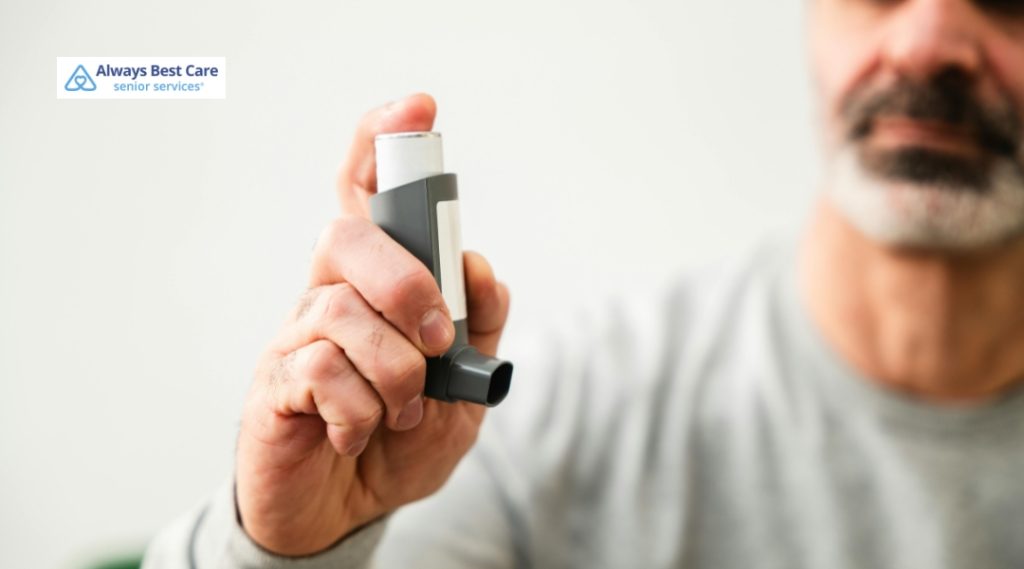
Table of Contents
How Aging Affects the Lungs
The respiratory system changes significantly as we age. Lung tissue loses elasticity, the diaphragm weakens, and the airways become less effective at filtering out irritants. These changes don’t happen overnight, but over time, they can leave seniors more susceptible to infections, fatigue, and breathlessness during everyday tasks.
What makes this particularly challenging is that symptoms often develop gradually. A senior may adjust their activity level without realizing their breathing has declined—until a routine task like climbing stairs or carrying groceries becomes noticeably harder.
Common respiratory conditions affecting older adults:
- Chronic obstructive pulmonary disease (COPD)
- Asthma
- Pneumonia
- Bronchitis
- Reduced lung capacity
Early awareness and proactive care are the most effective tools for slowing this decline.
Building a Lung-Friendly Home Environment in Garner
The air quality inside a home has a direct impact on respiratory health—often more than people realize. Dust, mold, pet dander, and chemical fragrances can all trigger inflammation and worsen symptoms for seniors with existing conditions.
Practical steps to improve indoor air quality:
- Replace HVAC filters every 1–3 months
- Use HEPA air purifiers in bedrooms and common areas
- Keep windows open when outdoor air quality permits
- Eliminate smoking indoors entirely
- Switch to fragrance-free or natural cleaning products
- Monitor humidity levels and use a humidifier or dehumidifier as needed
Humidity deserves special attention. Ideal indoor humidity sits between 30–50%. Air that is too dry can irritate airways and increase susceptibility to infection, while excess moisture encourages mold growth—both harmful for senior respiratory health.

Daily Habits That Make a Real Difference
Lifestyle plays a larger role in lung health than most people expect. Seniors don’t need an intense fitness routine to see benefits—consistency with simple habits is what matters most.
Habits that support stronger lung function:
- Light daily movement: Walking, gentle yoga, or stretching helps maintain respiratory muscle strength
- Deep breathing exercises: Pursed-lip breathing and diaphragmatic breathing can improve oxygen exchange and reduce breathlessness
- Staying hydrated: Adequate water intake keeps mucus thin and airways clear
- Eating well: A diet rich in antioxidants—berries, leafy greens, and whole grains—supports lung tissue health
- Staying current on vaccinations: Flu, pneumonia, and COVID-19 vaccines significantly reduce the risk of serious respiratory illness
Even a 10-minute daily walk and a few minutes of intentional breathing can yield meaningful improvements over weeks and months.
Managing Chronic Respiratory Conditions
For seniors already living with COPD, asthma, or another chronic condition, consistent management is non-negotiable. Poorly managed conditions tend to progress faster and lead to more frequent hospitalizations.
Effective management includes:
- Taking all medications on schedule, even when feeling well
- Using inhalers with proper technique—ask a pharmacist or nurse to review if unsure
- Tracking symptoms in a simple daily log to catch changes early
- Scheduling regular checkups with a pulmonologist or primary care provider
- Knowing personal triggers and actively avoiding them
- Avoiding known triggers such as cold air, allergens, or smoke
Caregivers and family members can play a critical role here—helping with medication reminders, attending appointments, and noticing subtle changes that the senior themselves may overlook.
Warning Signs That Need Immediate Attention
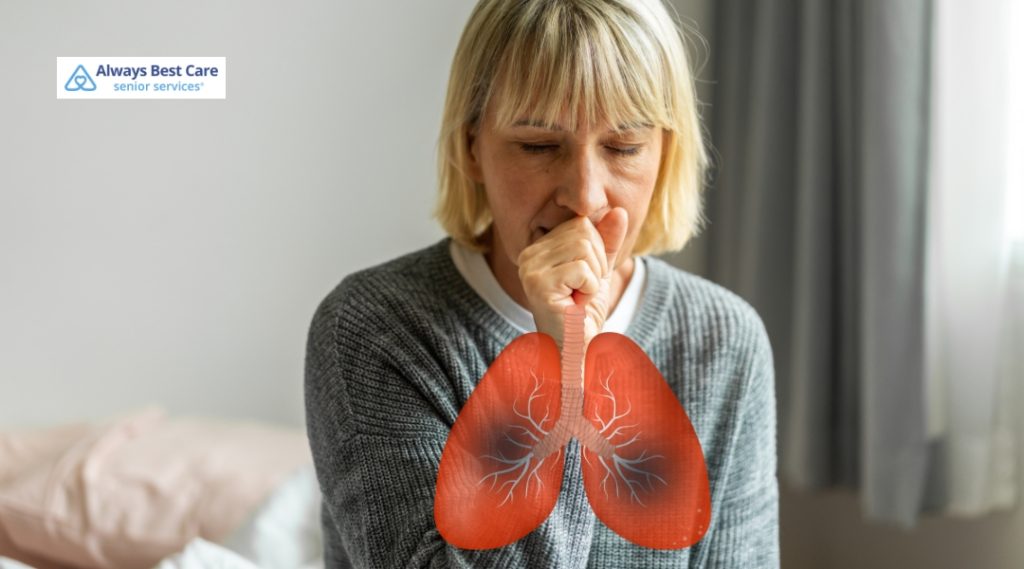
Knowing when to act quickly can be life-saving. Respiratory conditions can deteriorate rapidly, and delayed care often leads to worse outcomes.
Seek medical attention if a senior experiences:
- Sudden or worsening shortness of breath
- Persistent wheezing or a new, frequent cough
- Chest tightness or pain
- Unusual fatigue, confusion, or disorientation
- Bluish tint to lips, fingernails, or skin
These symptoms should never be dismissed as “just getting older.” They signal that the body is not getting enough oxygen and requires prompt evaluation.
How Always Best Care of Garner Supports Respiratory Health
Managing respiratory health at home is a team effort. For seniors living alone or those whose family members live at a distance, having a reliable caregiver can make all the difference.
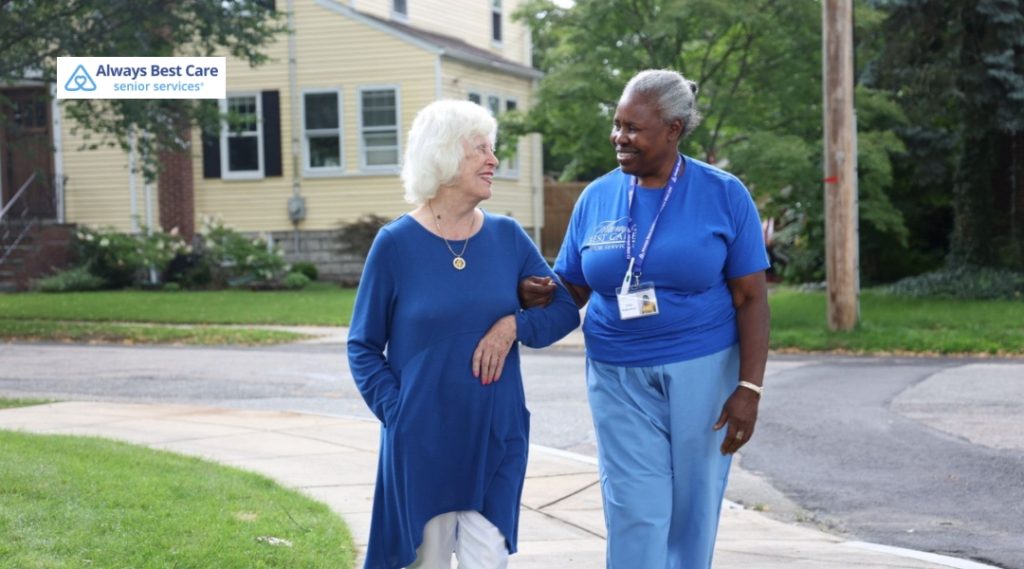
Always Best Care of Garner caregivers are trained to support seniors with chronic health conditions while helping them maintain independence and dignity at home.
Our caregivers can help with:
- Medication reminders and symptom monitoring
- Light housekeeping to reduce allergens and maintain a clean environment
- Encouraging regular hydration and nutritious meals
- Supporting safe, appropriate physical activity
- Providing companionship that reduces stress—a known contributor to respiratory flare-ups
- Coordinating and assisting with transportation to medical appointments
For seniors who need a higher level of care, home health services can provide skilled nursing, respiratory therapy coordination, and direct communication with healthcare providers.
Frequently Asked Questions
Q: What is the most common respiratory condition in seniors?
COPD is the most prevalent chronic respiratory condition among older adults, followed by asthma and recurring pneumonia. Many seniors have more than one condition simultaneously, which requires careful, coordinated management.
Q: Can lung function improve with age, or only decline?
While some age-related decline is inevitable, lung function can be meaningfully preserved—and in some cases improved—through regular exercise, breathing exercises, and avoiding respiratory irritants. The key is starting early and staying consistent.
Q: How do I know if my loved one’s breathing has gotten worse?
Watch for subtle signs: increased reluctance to be active, more frequent rest breaks, complaints of chest tightness, or changes in sleep quality. A simple pulse oximeter (available at most pharmacies) can also help monitor blood oxygen levels at home.
Q: Are air purifiers worth the investment for seniors with respiratory issues?
Yes. HEPA air purifiers have been shown to reduce airborne allergens, dust, and particulates that aggravate respiratory conditions. They are especially beneficial in bedrooms where seniors spend significant time.
Q: When should a senior see a pulmonologist instead of a general practitioner?
If a senior has been diagnosed with COPD, asthma, or another chronic lung condition—or if symptoms are not well-controlled with current treatment—a referral to a pulmonologist is appropriate. A specialist can offer more targeted diagnostics and treatment options.
Q: How can a home caregiver help with respiratory health specifically?
Caregivers support respiratory health in practical ways: reminding seniors to take medications, keeping the home clean and allergen-free, encouraging hydration and movement, and monitoring for warning signs. Their consistent presence also reduces stress, which can directly impact breathing.
Supporting Daily Breathing Comfort for Seniors
Respiratory health is too important to leave to chance. With the right environment, daily habits, and professional support, seniors in Garner can breathe easier and live more fully.
Call Always Best Care of Garner today at 9195045523 to schedule a free care consultation and learn how our team can help your loved one stay healthy, safe, and comfortable at home.
Link to the Markdown File version of this article.