

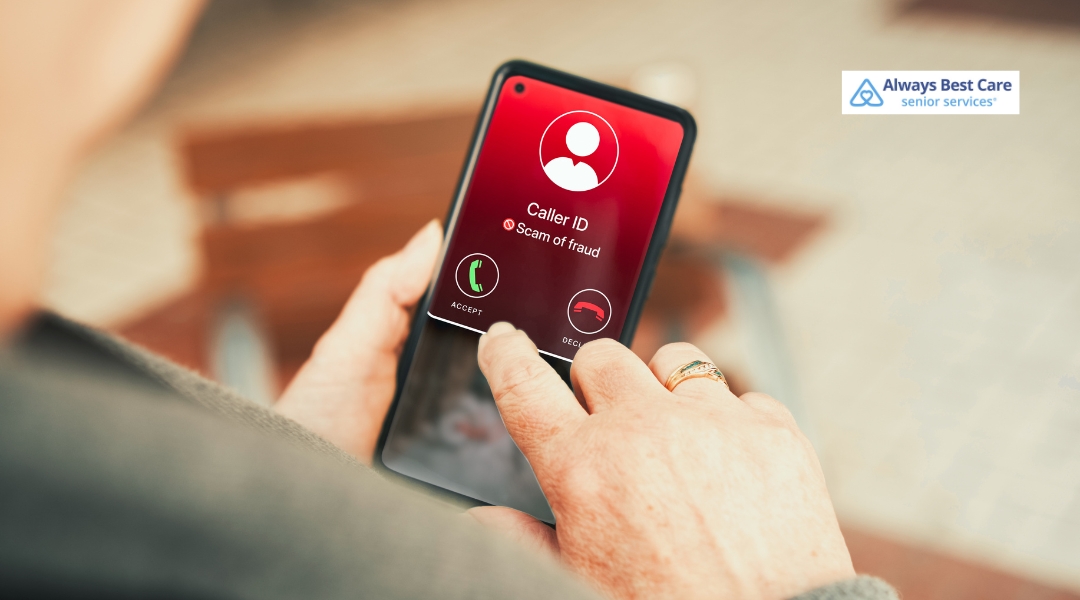
Senior scams are getting sneakier by the day, and sadly, older adults often end up in the crosshairs. The good news? A little awareness goes a long way, and with the right habits, we can help keep our loved ones safer at home and online.
What you will learn:
- Why our precious older adults are so frequently targeted, and the most common sneaky tricks scammers are using in Garner.
- The telltale red flags and warning signs that will help you spot a scam before it causes any harm.
- Heartwarming, proactive ways your family and dedicated in-home caregivers can team up to build a wonderful protective shield around your cherished relatives.
- Gentle, clear action steps to take with love and confidence if you ever suspect a scammer has contacted your sweet family member.

Table of Contents
Senior Scams in Garner: Why Older Adults Are Often Targeted
Scammers don’t just pick names from a hat. They often go after older adults because they may seem trusting, live alone, or have savings that make them appealing targets. On top of that, some fraud schemes lean hard on confusion and urgency, which can catch just about anyone off guard.
Here’s why seniors are often singled out:
- They may be polite and less likely to hang up quickly.
- They may have retirement income or savings.
- They may not be as familiar with online tricks.
- They may feel isolated, making a scammer feel welcome.
Common Senior Scams in Garner
Scams come in all shapes and sizes, but a few keep popping up.
Phone Scams
A caller might pretend to be from the bank, the IRS, a utility company, or even a family member in trouble. The goal is usually the same: scare the person into acting fast.
Email and Text Scams
Fake messages can look official at first glance. They often ask users to click a link, verify an account, or enter personal details on a phony website.
Sweepstakes and Lottery Scams
“Congratulations, you’ve won!” sounds exciting, doesn’t it? The catch is that the winner is told to pay a fee or tax first. Of course, there’s no real prize.
Romance Scams
A scammer builds trust over time, often online, then suddenly needs money for an emergency. Heartstrings get tugged, and money can vanish in a flash.
Tech Support Scams
A pop-up or phone call claims a device is infected or broken. The scammer pushes for remote access or payment for fake repairs.

Warning Signs That Something’s Off
A scam usually leaves breadcrumbs. We just need to know what to look for.
- Urgent requests for money or personal details
- Pressure to pay with gift cards, wire transfers, or cryptocurrency
- Messages that demand secrecy
- Threats, fear, or panic meant to rush a decision
- Unexpected calls, emails, or texts from “official” sources
If something feels fishy, trust that feeling. Pause, verify, and don’t hand over information on the spot.
How We Can Protect Loved Ones in Garner
A calm conversation today can save a costly headache tomorrow. Families can make a real difference by staying involved and keeping the lines open.
Simple Ways to Stay One Step Ahead
- Talk about common scams in plain language.
- Encourage your loved one to double-check every request.
- Review bank statements for unusual activity.
- Set up call blocking and spam filters.
- Create a habit of calling a trusted family member before sending money.
A little teamwork can go a long way, and that’s no small thing.

How Always Best Care of Garner Helps
At Always Best Care of Garner, we support seniors with companionship and watchful care that can add another layer of safety. A trusted caregiver can help notice strange calls, unusual visitors, or changes in routine that might signal trouble.
We can help by:
- Screening suspicious calls or unexpected visitors
- Noticing changes in mood, behavior, or money habits
- Offering regular companionship to ease loneliness
- Encouraging open communication with family
Scammers often prey on loneliness, so steady companionship can be a powerful safeguard.
What to Do If You Suspect a Scam
If you think your loved one may have been targeted, act quickly.
- Contact the bank or financial institution right away.
- Report the scam to local authorities or adult protective services.
- Check accounts for more strange activity.
- Offer reassurance instead of blame.
Embarrassment can keep someone silent, so a kind response matters. After all, nobody likes to feel tricked.
FAQ
Q: How do I know if a call is a scam?
A: If the caller pressures you, asks for secrecy, or demands payment in a strange form, treat it as suspicious and verify it before doing anything.
Q: What should we tell a senior who already shared personal information?
A: Act fast by contacting the bank, changing passwords if needed, and reporting the incident to the proper authorities.
Q: Can scammers really sound official?
A: Yes, they often use fake names, spoofed numbers, and polished scripts to sound believable.
Q: Why is companionship important for scam prevention?
A: Regular companionship can reduce isolation and make it easier to notice suspicious behavior early.

Help Seniors Stay Safe From Fraud
At Always Best Care of Garner, we’re committed to helping seniors stay safe, comfortable, and secure at home. If your loved one could benefit from extra support, companionship, and guidance in navigating everyday challenges, we’re here to help while respecting their independence and dignity.
While scams continue to evolve, the warning signs are often familiar. Through open communication, awareness, and compassionate support, families can help older adults stay protected.
Contact Always Best Care of Garner at (919) 504-5523 to learn more and schedule a care consultation.
Link to the Markdown File version of this article.