Helping Garner Seniors Stay Nourished When Appetite Slows
As loved ones grow older, many families start noticing subtle shifts in eating habits. The senior who once asked what’s for dinner before lunch might begin skipping meals, nibbling at tiny portions, or shrugging off food altogether. It’s easy to chalk it up to “just aging,” but a steady decline in appetite can chip away at health, energy, and independence.
Good nutrition is more than a full plate—it’s the fuel that keeps the immune system strong, muscles working, and bodies healing. When we understand why appetite declines and how we can respond, it becomes much easier to help seniors in Garner eat well and feel better day to day.
What you will learn:
- Why does appetite loss happen in seniors, and what are the common physical, emotional, and medical factors behind it?
- The health risks associated with poor nutrition and why early attention is important.
- Simple, practical ways to make meals more appealing and encourage consistent eating habits.
- How social connection, medical support, and caregiver assistance can improve senior nutrition and overall well-being.
Table of Contents
Why Appetite Declines for Seniors in Garner
Appetite doesn’t usually drop for just one reason. Aging itself can stir the pot, but other issues often sneak in too.
Common causes include:
- Changes in taste and smell that make food less appealing
- Slower digestion and feeling full faster
- Lower activity levels, so hunger doesn’t kick in as often
- Side effects from medications
- Dental problems or poorly fitting dentures
- Trouble chewing or swallowing
- Ongoing health conditions
- Depression, anxiety, or loneliness
- Memory loss or cognitive changes
Because several factors may be working together, it’s important to keep an eye on patterns. If appetite keeps dropping or meals become a daily struggle, checking in with a healthcare provider can help uncover what’s going on.
The Hidden Risks of Poor Nutrition
When seniors consistently eat too little, their bodies miss out on key nutrients. Over time, that gap can lead to more than just feeling “a bit tired.”
Possible consequences include:
- Unplanned weight loss
- Muscle weakness
- Greater risk of falls
- Constant fatigue and low energy
- Slower healing after illness or injury
- Weakened immune system
Even mild nutritional shortfalls can make daily tasks harder and reduce a senior’s ability to stay active and independent. That’s why it’s so important to catch appetite changes early and respond with care and creativity.
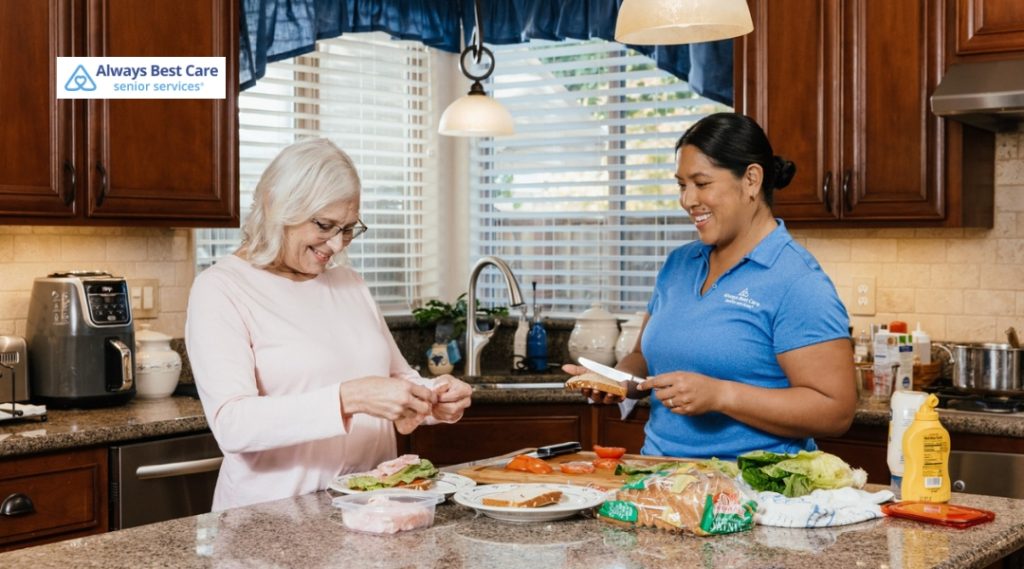
Helping Seniors Eat Well in Garner: Make Meals More Appealing
Food that looks dull and tastes bland doesn’t exactly tempt anyone. A few simple tweaks can turn a so‑so meal into something seniors are more willing to try.
Easy Ways to Boost Appeal
- Add herbs and spices to wake up the flavor
- Use a variety of colors and textures on the plate
- Serve favorite foods when possible
- Offer smaller portions more often instead of big meals
- Focus on nutrient‑dense choices that pack more nutrition into each bite
Many seniors do better with several small meals and snacks throughout the day rather than three large, traditional meals. A little here, a little there—suddenly the full day’s nutrition feels much more manageable.
Turn Mealtime into a Social Activity in Garner
Eating alone can drain the joy out of mealtime. Seniors who feel isolated are more likely to skip meals or just “pick” at food.
Bringing connection back to the table can change the whole experience:
- Share meals with family, friends, or caregivers
- Enjoy simple traditions, like a daily cup of tea or a weekend brunch
- Use conversation and companionship to encourage staying at the table a bit longer
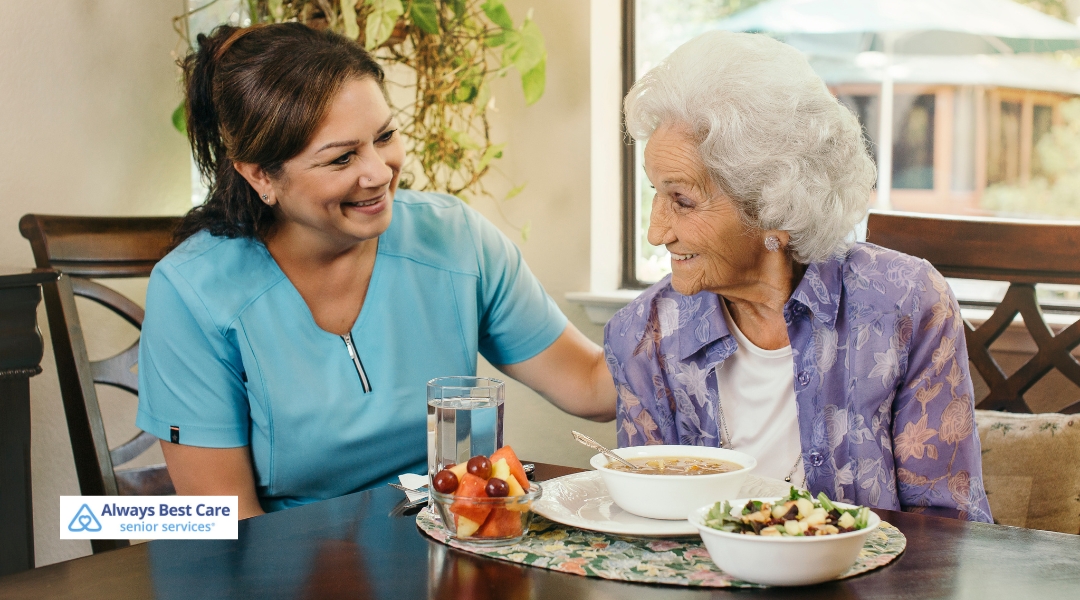
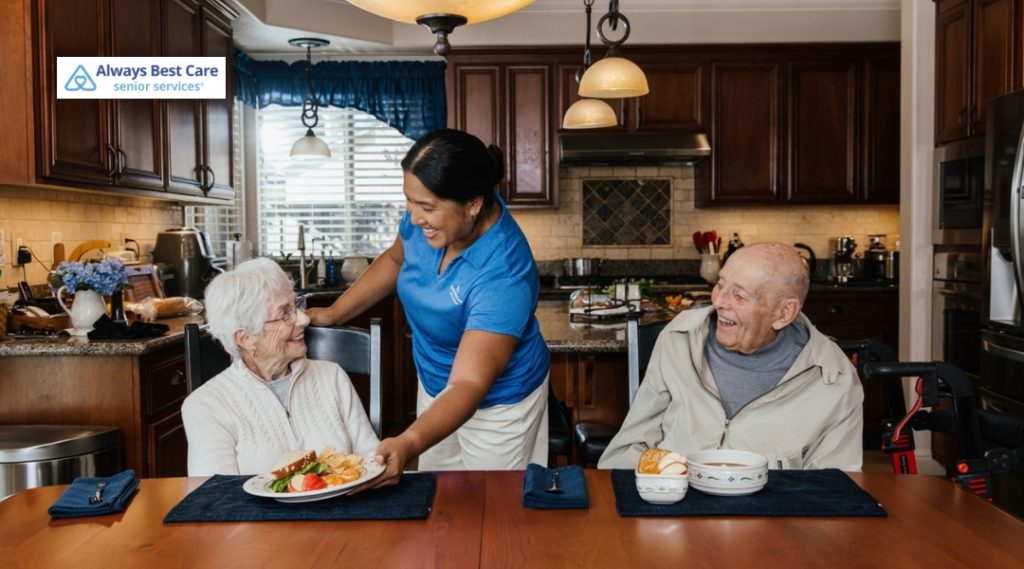
In Garner, we see how even a casual lunch or a shared snack can brighten a senior’s day and gently boost how much they eat. It’s not just about the food—it’s about feeling seen and included.
Spot and Address Underlying Health Concerns
Sometimes appetite shifts are a clue that something deeper needs attention. If changes come on suddenly or linger for weeks, it’s wise to look closer.
Watch for signs like:
- Noticeable weight loss
- Difficulty chewing or swallowing
- Mood changes, sadness, or withdrawal
- Frequent nausea or digestive discomfort
- Growing confusion or forgetfulness
Talking with a healthcare provider can help determine whether medications, dental problems, or health conditions are playing a role. Tackling these issues often makes eating more comfortable—and more appealing.
Focus on Nutrient‑Rich Foods When Appetite Is Low
When a senior’s appetite is limited, every bite matters. Choosing foods that offer protein, vitamins, and healthy fats can make a real difference.
Good options include:
- Eggs
- Greek yogurt
- Lean meats and fish
- Nut butters
- Beans and lentils
- Fresh fruits and vegetables
- Whole grains
Protein is especially helpful for maintaining muscle strength, which supports balance, mobility, and independence. Even a small serving of yogurt, a hard‑boiled egg, or a spoonful of peanut butter can be a meaningful step toward better nutrition.
How Always Best Care of Garner Can Help Seniors Eat Well
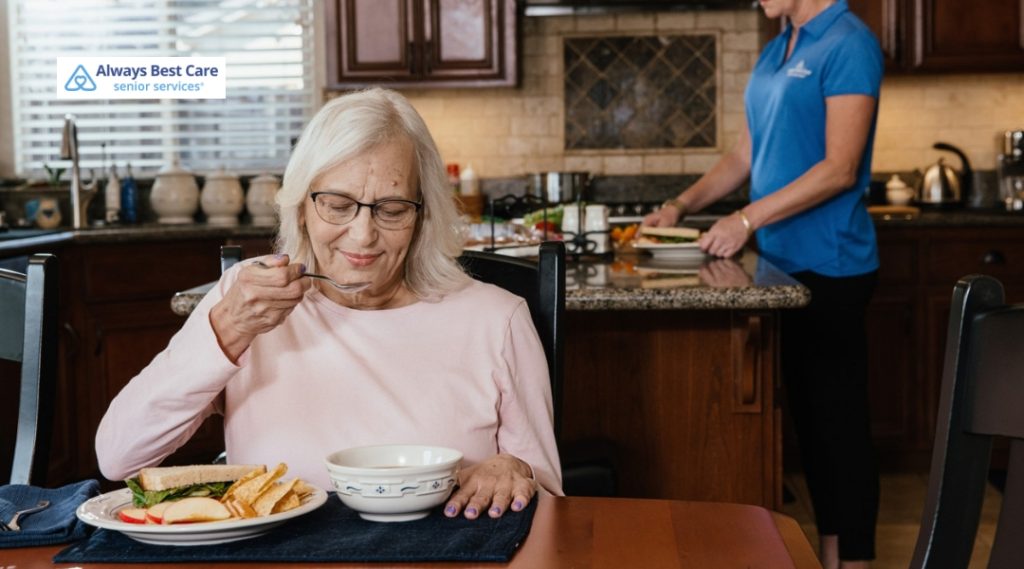
For many seniors in Garner, eating well becomes tougher over time—especially if they live alone or are juggling health challenges. That’s where professional home care comes in. At Always Best Care of Garner, we provide practical, hands‑on support to help seniors maintain healthier eating habits and feel more comfortable at mealtime.
We can help with:
- Meal planning that matches preferences and needs
- Grocery shopping and keeping favorite foods on hand
- Simple, tasty meal preparation
- Encouraging regular hydration and offering water‑rich foods
- Watching for changes in appetite or eating patterns
- Providing warm companionship during meals
- Communicating concerns with families
By helping seniors eat well in Garner, we support both physical health and emotional well‑being. Together, we can turn mealtime from a chore into a comforting daily ritual.
Supporting Healthy Eating and Healthy Aging in Garner
A declining appetite shouldn’t be brushed aside as “just getting older.” While changes in eating habits are common, good nutrition still plays a key role in staying strong, energetic, and independent.
With thoughtful attention, patience, and the right support, seniors in Garner can keep enjoying satisfying, nourishing meals and the many benefits that come with eating well.
If you’d like help creating a more relaxed, enjoyable mealtime routine at home, we at Always Best Care of Garner are here to walk alongside you and your loved one.
FAQ: Helping Seniors Eat Well in Garner
Q1: Is it normal for seniors in Garner to eat less as they age?
Some decrease in appetite can be part of aging, but a steady or sudden drop in food intake isn’t something to ignore. Ongoing changes should be discussed with a healthcare provider.
Q2: How can we encourage a loved one to eat more?
Offer smaller, frequent meals, focus on favorite and nutrient‑rich foods, make plates colorful and appealing, and try to share meals to add companionship and conversation.
Q3: What foods are best when appetite is low?
Protein‑rich options like eggs, yogurt, lean meats, nut butters, and beans, along with fruits, vegetables, and whole grains, help provide key nutrients even in smaller portions.
Q4: When should we worry about weight loss in a senior?
If you notice ongoing weight loss, loose clothing, or a clear drop in energy, it’s important to reach out to a healthcare provider to rule out medical causes.
Q5: How can Always Best Care of Garner support healthy eating at home?
We can help with meal planning, grocery shopping, meal preparation, hydration reminders, monitoring appetite changes, and sharing mealtime companionship, all tailored to your loved one’s needs.
Support Better Nutrition for Seniors Today
Appetite shifts don’t have to lead straight to poor health or loss of independence. By paying attention to early changes, making meals more inviting, bringing back social connection, and focusing on nutrient‑rich foods, families in Garner can help seniors eat well and feel more like themselves.
We at Always Best Care of Garner are ready to support you with caring, practical help at the table and beyond—so your loved one can keep enjoying good food, good company, and a better quality of life at home. To explore in‑home support or talk through your loved one’s nutrition needs, call Shawn and the Always Best Care of Garner team at (919)504-5523 or visit our Always Best Care of Johnston County page to get started today.
Link to the Markdown File version of this article.