

Keeping Garner Seniors Safe: What Your Family Needs to Know About Blood Sugar Shifts
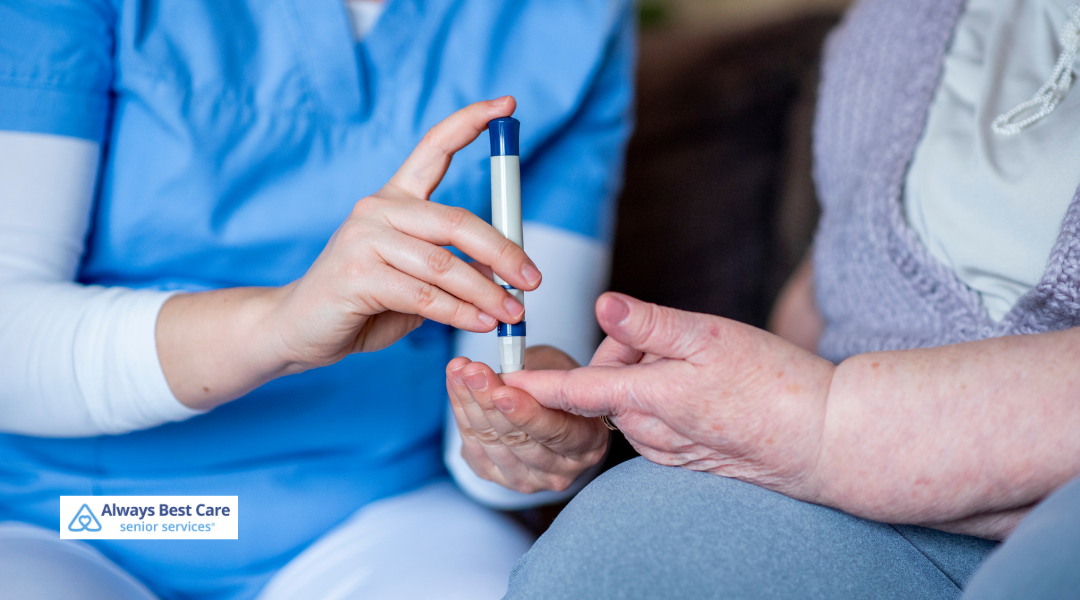
Blood sugar can shift fast in older adults living with diabetes, and those changes don’t always wave a big red flag. One day everything seems fine; the next, something feels off, and that’s where families need to pay attention.
Older adults living with diabetes may face new challenges with appetite, memory, medication routines, activity, and illness. At Always Best Care of Garner, we know these changes can sneak up on families, so spotting the warning signs early really matters.
What You Will Learn:
- How aging affects blood sugar levels and why diabetes management gets trickier for older adults over time.
- The key warning signs of both low and high blood sugar that every family should recognize early.
- Simple daily habits and routine adjustments that help keep your loved one’s blood sugar steady and safe.
- When it might be time to bring in extra support at home, and how professional caregiving can make diabetes care easier for the whole family.
Table of Contents
Why Blood Sugar Changes Happen More Often With Age
As people get older, diabetes can get trickier to manage. Health issues may pile up, prescriptions may change, and eating habits can shift without much notice.
Here are a few common reasons blood sugar becomes harder to keep steady:
- Eating less because of illness or a poor appetite
- Missing meals or medications because of memory trouble
- Changes in activity level
- Kidney changes that affect how the body handles medicine
- New medications that may affect glucose levels
A small change in routine can throw things off. That’s why staying alert to daily patterns is so important.
Warning Signs of Low Blood Sugar
Low blood sugar can come on quickly, and it can turn serious in a hurry. Families should watch for signs like:
- Shaking or sweating
- Dizziness
- Hunger
- Headache
- Irritability
- Trouble focusing
- Confusion
- Poor coordination
- Weakness
A sudden change in behavior, confusion, or unsteadiness should never be brushed off as “just aging.” If symptoms are severe, such as passing out or having a seizure, get emergency help right away.

Warning Signs of High Blood Sugar
High blood sugar usually builds more slowly, so it can be easier to miss. Common signs include:
- Increased thirst
- Frequent trips to the bathroom
- Blurred vision
- Fatigue
- Headache
- Unplanned weight loss
- Cuts or wounds that heal slowly
If blood sugar stays too high for too long, it can hurt the eyes, kidneys, nerves, heart, and blood vessels. Serious symptoms like major confusion, trouble breathing, or fainting need urgent medical care.
Blood Sugar Changes and Daily Routine Clues
Families don’t need a medical degree to notice trouble. Knowing what’s normal for your loved one goes a long way.
Maybe a parent is sleeping more than usual. Maybe they’re drinking water nonstop or forgetting where they put things. Maybe they seem shaky or off-balance.
Pay attention to those shifts. Don’t just shrug them off.

Simple Habits That Help Keep Things Steady
A steady routine can make a big difference. Depending on the care plan, helpful habits may include:
- Eating meals and snacks at regular times
- Taking medicine exactly as prescribed
- Checking blood sugar as directed
- Drinking enough water
- Moving each day safely
- Keeping doctor visits on the calendar
It also helps to tell healthcare providers about every medicine and supplement being taken, since even small changes can affect diabetes care.
When Memory or Mobility Gets in the Way
Diabetes care takes memory, energy, and a bit of coordination. That can get tough for older adults dealing with:
- Forgetfulness
- Arthritis
- Vision changes
- Tremors
- Trouble walking or moving around
If meal prep, testing blood sugar, or getting to appointments is becoming a struggle, extra support at home may be a smart next step.
How Always Best Care of Garner Can Help
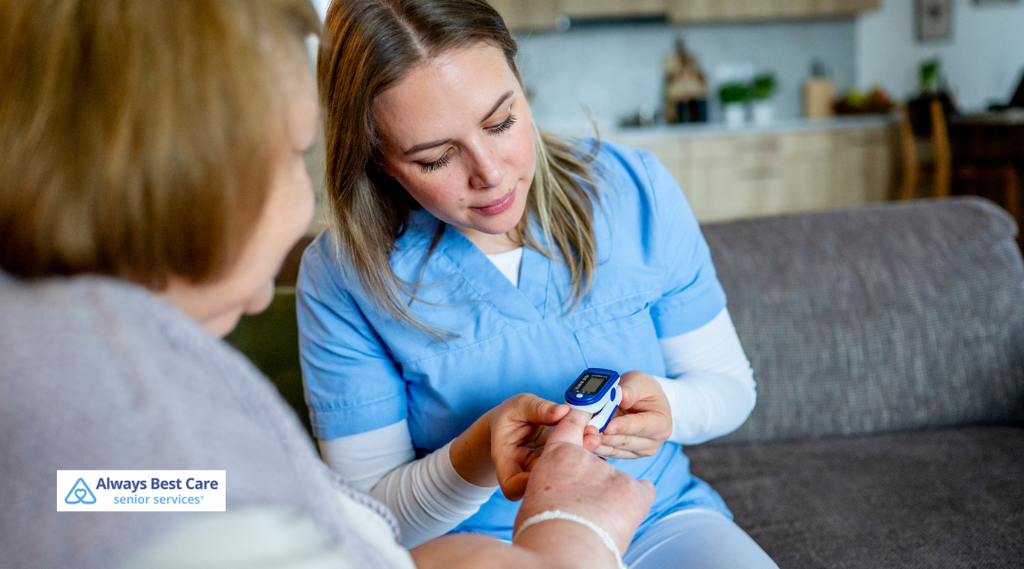
At Always Best Care of Garner, our caregivers help make daily life easier and safer. We can assist with:
- Meal prep
- Medication reminders
- Hydration reminders
- Safe activity encouragement
- Transportation to appointments
- Noticing changes and sharing them with family
For seniors who qualify, home health services may also provide added medical support based on a doctor’s care plan.
Don’t Wait for a Crisis to Act
Blood sugar changes can sneak up on older adults, but families who know the warning signs can make a real difference. With close attention, steady routines, and the right support, seniors can stay safer and more comfortable at home.
If your loved one could use help managing daily routines, Always Best Care of Garner is here to help you support safer days and greater peace of mind. Call us today at (919)504-5523 to schedule your care consultation.

FAQ
Q: What should families watch for first?
A: Start with changes from the person’s normal routine, like confusion, unusual tiredness, thirst, or frequent bathroom trips.
Q: Can low blood sugar look like normal aging?
A: Yes, sometimes it can. That’s why sudden confusion, weakness, or odd behavior should be taken seriously.
Q: What should we do if symptoms seem severe?
A: Get emergency medical help right away if the person passes out, has a seizure, has trouble breathing, or becomes severely confused.
Q: How can we help a loved one stay on track?
A: Keep meals, medicine, hydration, activity, and appointments on a steady schedule, and stay in touch with the doctor.