Brain Injury Awareness Month in Garner: Why Recovery Starts at Home
Sometimes, life changes in a flash. Other times? It shifts so quietly you barely notice—until routines feel harder, moods seem off, or everyday tasks suddenly take more effort than before. That’s often how a brain injury shows up.
During Brain Injury Awareness Month in Garner, families across the community are taking a closer look at how these injuries affect daily life—and what recovery really takes. Because healing after a brain injury isn’t just about doctor visits or therapy sessions. It’s about steady support, familiar surroundings, and having someone in your corner when things feel uncertain.
Let’s talk about what that journey can look like—and how care at home makes all the difference.
Table of Contents
What Brain Injury Awareness Month in Garner Is Really About
It’s Not Always Obvious
When most people think of brain injuries, they imagine something dramatic. A fall. A crash. A moment that changes everything overnight.
But truth be told, the effects often creep in quietly. Maybe it’s:
- Forgetting familiar routines
- Feeling off-balance while walking
- Mood swings that seem out of character
- Trouble focusing or finishing tasks
- Difficulty managing everyday activities
One day you’re managing just fine, and the next? Something feels different—but you can’t quite put your finger on it.
That’s why Brain Injury Awareness Month in Garner matters so much. It gives families the chance to recognize these subtle signs and understand that recovery isn’t always a straight line.
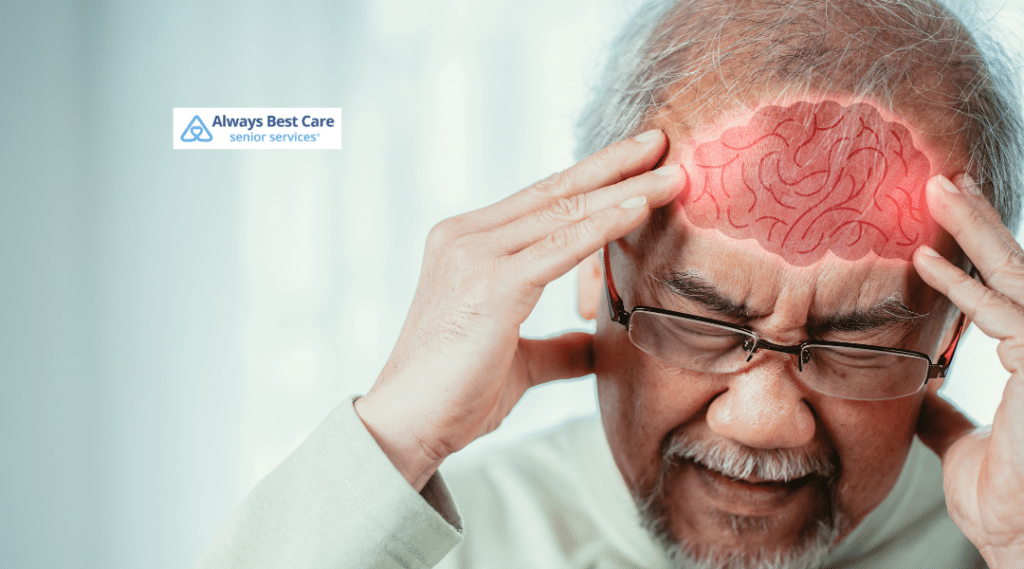
Life After a Brain Injury Looks Different for Everyone
Recovery Isn’t Just Physical
Here’s the thing—healing after a brain injury doesn’t stop when someone leaves the hospital.
In fact, the real work often begins at home.
Recovery can touch nearly every part of daily life, including:
- Memory and cognition – remembering medications or appointments
- Mobility and coordination – walking safely without falling
- Emotional regulation – coping with frustration or mood shifts
- Communication – expressing needs clearly
- Routine tasks – cooking, dressing, or bathing independently
Some days might feel hopeful and steady. Other days? Not so much. And that’s completely normal.
What matters most is having a consistent support system in place.
Why Home Support Matters During Brain Injury Awareness Month in Garner
Familiar Spaces Build Confidence
Let’s be honest—there’s something comforting about home. The sunlight through the windows. The favorite chair. The quiet hum of everyday life.
For someone recovering from a brain injury, staying in a familiar environment can:
- Reduce confusion and anxiety
- Encourage routine and stability
- Support safer movement around the home
- Promote emotional well-being
- Help maintain independence longer
Consistency becomes the name of the game here. When daily routines are predictable, recovery often feels less overwhelming.
And little by little, confidence begins to grow again.
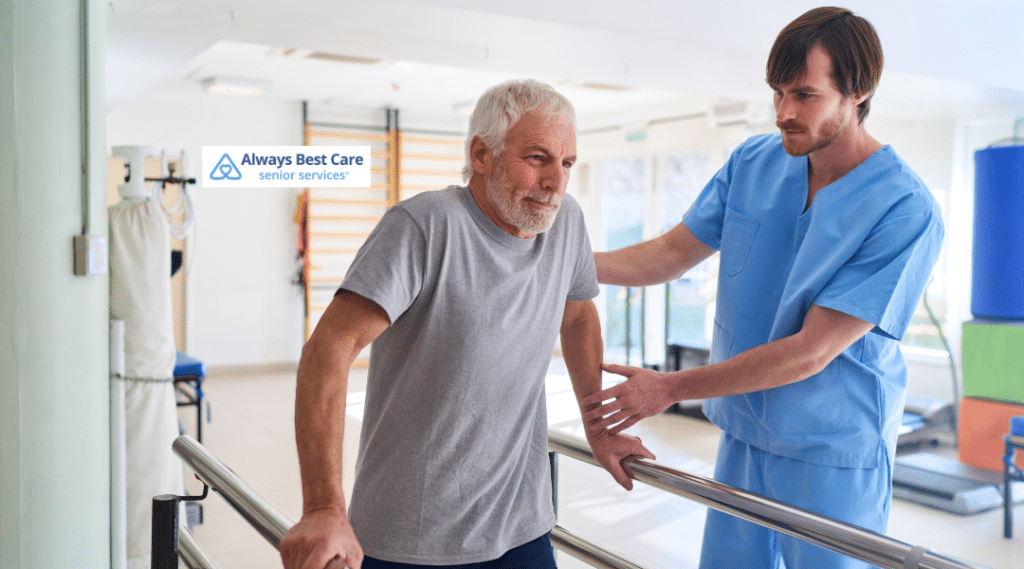
Patience, Consistency, and the Power of Support
Small Wins Add Up
Progress after a brain injury doesn’t always come in big, dramatic leaps. More often, it’s the small victories that make the biggest difference.
Like:
- Walking across the room safely
- Remembering a morning routine
- Holding a conversation without frustration
- Preparing a simple meal
- Getting through the day without fatigue
These moments may seem minor—but they’re meaningful stepping stones toward greater independence.
With steady encouragement and daily support, those small wins start stacking up.
How Always Best Care of Garner Supports Brain Injury Recovery
Recovery isn’t something anyone should face alone—and thankfully, they don’t have to.
At Always Best Care of Garner, our in-home care team helps individuals recovering from brain injuries by providing:
- Assistance with daily living activities
- Routine support to build structure
- Mobility and fall prevention help
- Medication reminders
- Emotional encouragement and companionship
We work closely with families to create a supportive home environment where healing can happen naturally—without the stress of unfamiliar settings.
Because when care meets compassion, recovery feels a little less daunting.
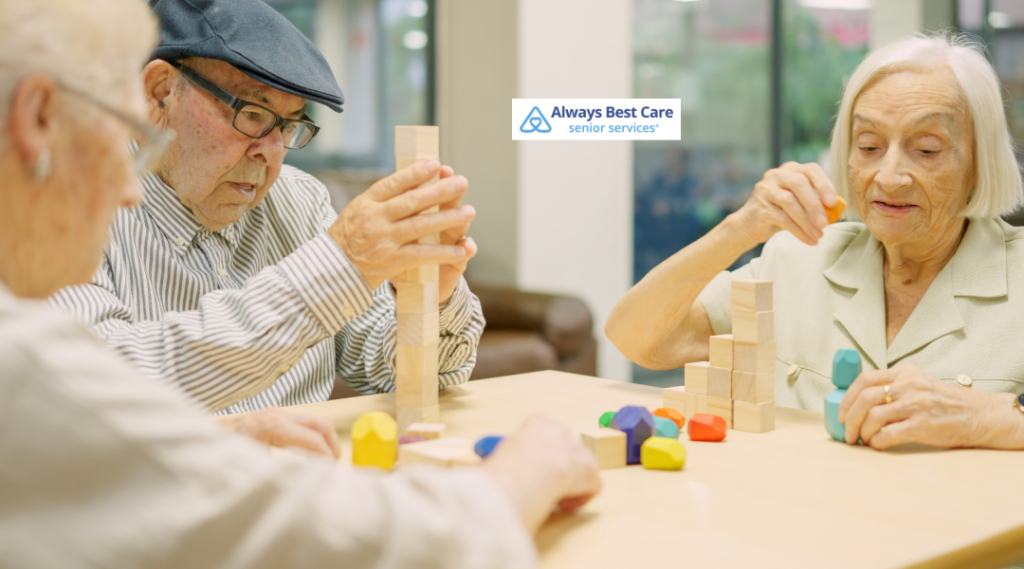
Raising Awareness, Honoring Resilience
A Community Effort
During Brain Injury Awareness Month in Garner, we’re not just raising awareness—we’re honoring the resilience it takes to keep moving forward after life takes an unexpected turn.
Recovery may look different for everyone, but one thing stays the same: no one should have to navigate it alone.
Support, structure, and understanding can turn even the toughest days into opportunities for progress.
FAQs
Q: What are common signs of a brain injury after returning home?
A: Changes in mood, memory, balance, coordination, or the ability to complete everyday tasks may be early signs that extra support is needed.
Q: Can someone recover from a brain injury at home?
A: Yes. Many individuals benefit from recovering in familiar surroundings where routines are consistent and stress levels are lower.
Q: How does in-home care help during recovery?
A: In-home care provides daily support with routines, mobility, safety, and emotional well-being—helping individuals regain confidence and independence.
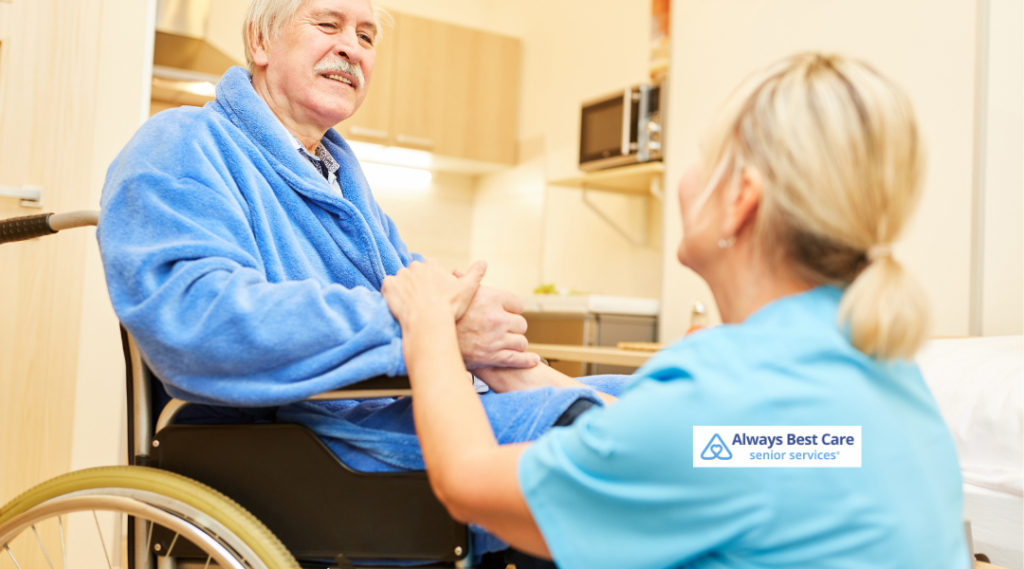
Start Recovery Strong at Home
Brain injuries may change the pace of life—but they don’t have to define it.
With the right support at home, individuals can rebuild routines, strengthen their abilities, and reconnect with what matters most. During Brain Injury Awareness Month in Garner, let’s continue to lift each other, share resources, and remind our neighbors that recovery is possible—with patience, consistency, and compassionate care leading the way.
Because healing doesn’t happen overnight—but with the right help, it does happen.
If your loved one could benefit from extra support at home, reach out to Always Best Care of Garner today to schedule a complimentary care consultation.
Link to the Markdown File version of this article.