

Thriving on Your Own Terms: How In-Home Care Helps Garner Residents Manage Chronic Illness at Home

Home isn’t just four walls and a roof; it’s where favorite chairs sit in the same cozy corner, where holiday stories echo, and where daily routines feel second nature. For many older adults in Garner, that sense of comfort is priceless—so even after a chronic illness diagnosis, they’d much rather stay put than pack up for a facility.
Aging in Place with a Chronic Illness: How In-Home Care Promotes Independence in Garner is all about making that choice realistic. With thoughtful in-home support, seniors can keep living on their own terms, even while navigating conditions like heart disease, diabetes, arthritis, COPD, Parkinson’s, and other long-term health challenges.
We at Always Best Care of Garner walk beside families through this journey, helping seniors stay safe, confident, and connected at home.
What you will learn:
- Why staying at home with a chronic illness is absolutely possible with the right kind of support in place.
- How in-home care strengthens independence rather than taking it away, keeping seniors in charge of their own routines.
- The everyday ways caregivers help manage health, from medication reminders to spotting early warning signs before they become emergencies.
- Why emotional well-being and companionship are just as important as physical care when living with a long-term condition.
Table of Contents
The Challenges of Living with a Chronic Illness at Home
Chronic illnesses don’t usually show up, get fixed, and disappear. They hang around, asking for ongoing attention and care—day after day. Without help, that can feel like juggling with one hand tied behind your back.
Common hurdles include:
- Managing several medications and treatment plans
- Living with reduced mobility or nagging pain
- Feeling worn out, making chores and cooking tougher
- Facing a higher risk of falls or injuries
- Getting to and from medical appointments
- Feeling lonely, isolated, or cut off from friends and activities
On their own, these challenges can chip away at confidence. Yet they don’t have to be a reason for leaving home. With the right support, seniors can keep doing what matters most in familiar surroundings.

Aging in Place with a Chronic Illness: How In-Home Care Promotes Independence in Garner
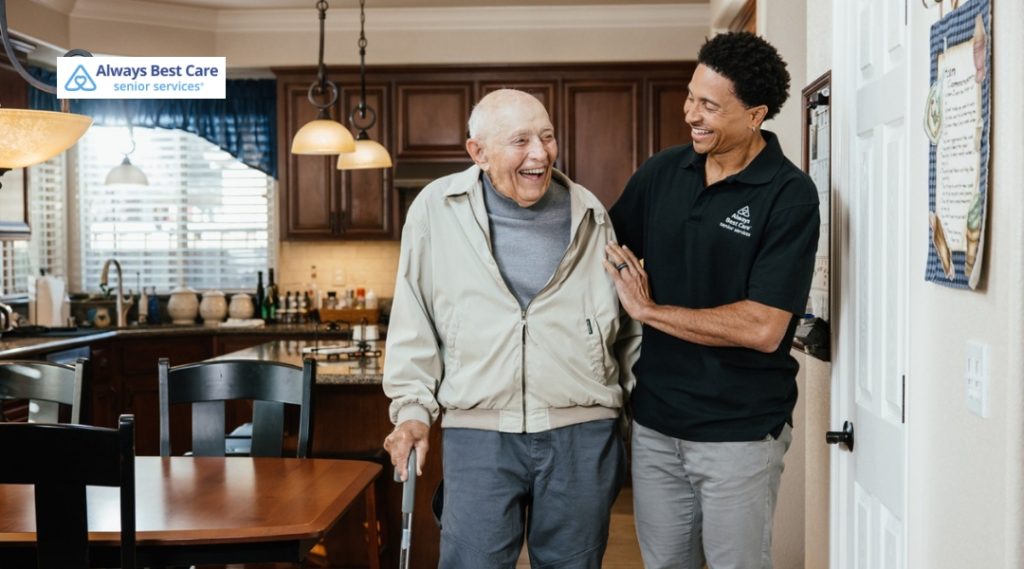
Here’s the heart of it: in-home care in Garner is built around the person, not the diagnosis. Instead of taking over everything, caregivers focus on supporting what seniors can do, and gently stepping in where help is needed.
That approach:
- Encourages independence instead of replacing it
- Keeps daily routines intact and familiar
- Lowers risks while protecting dignity
- Offers reassurance to families, without shutting seniors out of their own choices
Independence isn’t all-or-nothing. With in-home care, it becomes a shared effort—seniors, families, and caregivers all working together.
Help with Everyday Activities in Garner
Simple tasks can start to feel anything but simple once a chronic illness is in the mix. We see it every day: buttons become harder to fasten, stairs seem steeper, and grocery bags feel heavier than they used to.
Caregivers from Always Best Care of Garner can help with:
- Personal care such as bathing, grooming, and dressing
- Meal planning, cooking, and safe food handling
- Light housekeeping, tidying, and laundry
- Grocery shopping and local errands
- Rides to medical appointments and follow-up visits
- Medication reminders and basic health-related routines
By lending a hand with these everyday tasks, we help seniors save their energy for the things they enjoy—calling a friend, gardening a little, or simply relaxing without worry.

Supporting Better Health, One Day at a Time
Managing a chronic illness is often about what happens in the small moments—taking the right pill at the right time, eating regularly, staying hydrated, and keeping up with ongoing care. When those pieces slip, health can spiral faster than anyone expects.
In-home care can help seniors stick with healthy habits, such as:
- Following prescribed medication schedules
- Eating balanced, appealing meals
- Drinking enough water throughout the day
- Staying active with physician-approved movement
- Attending scheduled medical appointments and follow-ups
Day by day, those habits add up. They support steadier health, fewer emergencies, and a better quality of life at home.
Watching for Changes and Reducing Hospital Visits
Chronic illnesses sometimes flare up quietly. A small change—a little more fatigue, a bit of swelling, or a new bout of confusion—can be the first sign that something isn’t quite right.
Attentive caregivers often spot these early warning signals, including:
- Shifts in appetite or eating patterns
- Increased tiredness or sleeping more than usual
- Trouble moving around safely or new unsteadiness
- Shortness of breath or new breathing difficulties
- Swelling in legs, feet, or hands
- Changes in mood, memory, or behavior
Catching problems early makes it easier for families to contact healthcare providers before a minor issue turns into a serious crisis or another hospital stay.
Emotional Well-Being: More Than Just Physical Health
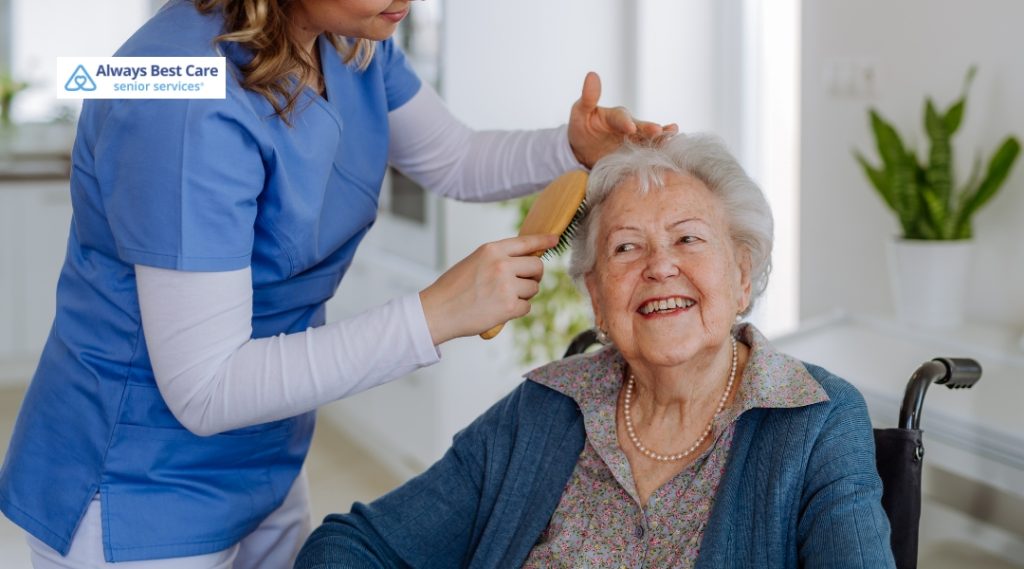
Chronic illness doesn’t only affect the body. It can bring frustration, fear, boredom, and a sense of being “left out” of life. That emotional weight is real—and addressing it matters just as much as checking blood pressure.
Companionship is a big part of in-home care in Garner. Caregivers can:
- Share meals and conversation
- Go for short walks or enjoy time outdoors
- Play games, work on puzzles, or listen to music together
- Encourage hobbies, interests, and social connections
For families, knowing someone kind and dependable is there brings a deep sense of relief. For seniors, having a regular friendly face can turn long, quiet days into something brighter and more meaningful.
How Always Best Care of Garner Helps Seniors Age in Place
We at Always Best Care of Garner understand that no two seniors live the same story. Health history, personality, favorite activities, and family support all blend into something unique.
That’s why we work closely with families to shape care around each person’s needs and goals. A senior may be:
- Managing diabetes or heart disease
- Recovering from a stroke
- Living with COPD or Parkinson’s
- Facing several chronic conditions at once
In each case, we focus on safety, comfort, and independence at home. Our caregivers provide:
- Help with meals, personal care, and daily routines
- Medication reminders and appointment support
- Companionship and encouragement
- Transportation and light household help
Our support is there for seniors—and for the people who love them.

Independence Is Possible with the Right Care
A chronic illness might change how someone lives, but it doesn’t have to decide where they live. With steady, thoughtful in-home care in Garner, many older adults can stay where they feel most at peace: at home.
If a loved one needs extra help managing a chronic condition, we at Always Best Care of Garner are ready to walk that road with you, side by side.
Chronic Illness? You Can Still Thrive at Home
Aging in Place with a Chronic Illness: How In-Home Care Promotes Independence in Garner isn’t just a phrase—it’s a promise that home can still be home, even when health needs change. With in-home care and the support we offer at Always Best Care of Garner, seniors don’t have to give up independence to gain safety.
Families can breathe a little easier, seniors can stay rooted in the place they love, and together we can build a path that honors both health and home.
Call Always Best Care of Garner at (919)504-5523 to schedule a care consultation and learn how we can help your loved one age in place with confidence.
FAQs
Q1: What does “aging in place with a chronic illness” really mean?
A: It means a senior chooses to stay in their own home while managing a long-term health condition, using support and services to stay safe and as independent as possible.
Q2: Can in-home care replace assisted living or a nursing home?
A: For many seniors, in-home care offers enough help to remain at home instead of moving to a facility, especially when families and caregivers work together on a thoughtful care plan.
Q3: What kinds of chronic illnesses can in-home care support?
A: In-home care can support a wide range of conditions, including heart disease, diabetes, arthritis, COPD, Parkinson’s, and other ongoing health issues, along with recovery from events like a stroke.
Q4: How does in-home care in Garner help families, not just seniors?
A: Families gain peace of mind knowing a trusted caregiver is checking in, helping with daily tasks, watching for health changes, offering companionship, and reducing risks like falls, which can ease stress and caregiver burnout.
Q5: How do we know if it’s time to consider in-home care?
A: It may be time if daily tasks are becoming unsafe or exhausting, medications are getting mixed up, appointments are being missed, or a loved one seems more isolated or overwhelmed than usual.
Link to the Markdown File version of this article.