

Living at Home With a Chronic Condition in Garner: How Home Care Makes Daily Life Easier
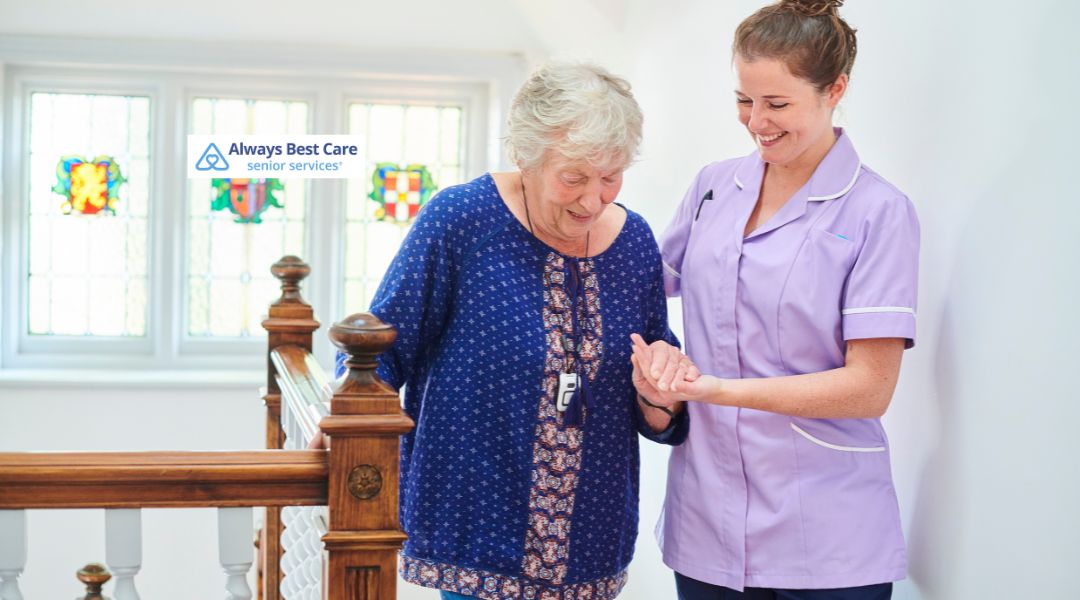
Living with a chronic condition doesn’t automatically mean leaving home behind, and it certainly doesn’t mean giving up the life and routines that feel like “you.” In Garner, many seniors are learning that with caring, reliable help, staying at home can be both practical and deeply comforting.
What you’ll learn
- How home care makes everyday tasks simpler and safer
- Ways caregivers support health routines and chronic conditions
- Why home care helps seniors stay independent at home
- How family caregivers can finally breathe a little easier
Table of Contents
What “Living Well at Home” Really Means
Living well at home with a chronic condition isn’t about powering through everything by yourself; it’s about having the right help so your days feel steady instead of stressful.
For many seniors in Garner, “living well” looks like waking up in their own bedroom, keeping familiar routines, and knowing a trusted caregiver is there to lend a hand—not take over.
Emotional comfort of staying home
The home you’ve built over the years holds your memories, your rhythms, and your sense of control, which becomes even more precious when health changes.
With the right in-home support, seniors can manage conditions like diabetes, heart disease, arthritis, COPD, or early dementia while still enjoying the simple pleasures of everyday life—morning coffee, favorite shows, porch chats with neighbors.

Support With Everyday Needs
When chronic conditions make even “little things” feel big, home care steps in to bridge the gap so you don’t have to struggle through the day.
Caregivers can help with:
- Personal care: Bathing, grooming, dressing, and toileting
- Mobility and transfers: Getting in and out of bed or chairs safely
- Meal support: Planning, preparing, and serving meals that follow the doctor’s recommendations
- Light housekeeping: Laundry, tidying, dishes, and basic chores
- Transportation: Rides to medical appointments, errands, or social visits
- Medication reminders: Gentle prompts so doses aren’t missed or doubled
Keeping routines predictable and calm
Chronic conditions often feel less scary when the day has a gentle rhythm, and caregivers can help create that.
By showing up consistently, following your preferences, and respecting your pace, home care makes daily life feel smoother—especially for seniors who feel anxious about falling, forgetting, or “messing up” their routines.
Staying on Top of Health Routines
Chronic conditions rarely improve with chaos; they do better with simple, sustainable habits and steady follow-through.
Caregivers can help seniors stay on track by:
- Encouraging regular meals and hydration that fit dietary needs.
- Supporting light exercise or movement routines approved by the doctor.
- Tracking daily changes—like swelling, shortness of breath, or confusion—and sharing family concerns.
- Organizing the home so that important items (walker, inhaler, glasses) are easy to find.

Less stress for seniors and families
Instead of families worrying, “Did Mom take her meds?” or “Has Dad eaten today?”, they gain peace of mind knowing someone is right there, paying attention.
Over time, this consistent support can help reduce avoidable hospital visits and make managing chronic conditions feel less like a crisis and more like a routine.
A Safer Way to Stay Independent
Many seniors fear that accepting help means losing control, but in reality, quality home care is designed to protect independence—not replace it.
Caregivers focus on what a senior can still do, then gently assist with the parts that have become risky, such as showering alone, climbing stairs, or cooking on a hot stove.
Safety that preserves dignity
Instead of constant worry about falls or emergencies, home care offers:
- An extra set of eyes to notice tripping hazards or unsafe habits
- Support with using walkers, canes, or transfer equipment
- Help with night-time routines when balance and fatigue can be a bigger concern
This balance—staying safe while still making your own choices—is at the heart of aging in place support in Garner.

Relief for Family Caregivers
If you’re the daughter, son, or spouse doing “just about everything,” you know how quickly caregiving can become overwhelming.
Between work, kids, household responsibilities, and constant worry, it’s easy to feel stretched thin and guilty—like you’re never doing enough for anyone, including yourself.
Turning pressure into partnership
Bringing in home care doesn’t mean you’re stepping back from your loved one; it means you’re sharing the load so you can show up as family, not just as a caregiver.
With a dependable caregiver in place, you can:
- Take a real break without fear that something will go wrong
- Spend more quality time connecting instead of rushing through tasks
- Feel supported in making decisions about what’s best for your loved one long term
In Garner and throughout North Carolina, in-home care gives families room to breathe again while knowing their loved ones are still getting personalized, respectful chronic condition care at home.
FAQ
Q: How do I know if it’s time to consider home care in Garner?
A: It may be time when daily tasks like bathing, cooking, or getting around safely become hard, or when a chronic condition causes frequent close calls or hospital visits; at that point, Always Best Care in Garner can step in with supportive in-home help.
Q: Can home care support multiple chronic conditions at once?
A: Yes, caregivers are trained to support complex needs, from mobility challenges to memory changes and cardiac or respiratory issues, adjusting routines as conditions progress; Always Best Care in Garner tailors care plans around each senior’s unique health picture.
Q: Will bringing in home care mean my loved one loses independence?
A: Quite the opposite—home care is designed to protect independence by making daily life safer and more manageable while honoring personal choices and routines; Always Best Care in Garner focuses on doing “with” rather than doing “for” whenever possible.
Q: How flexible are in-home care schedules in Garner?
A: Schedules can range from just a few hours a week to daily or around-the-clock support, and they can be adjusted as needs change over time; Always Best Care in Garner works with families to build the right level of support.

Stay Home, Stay Supported – Your Next Step
Living at home with a chronic condition in Garner doesn’t have to feel like a daily uphill climb. With thoughtful, compassionate home care, seniors can keep their routines, their comfort, and their sense of control, while families finally get the support they’ve been quietly needing.
If someone you love is trying to manage a chronic condition at home, now’s the time to explore how personalized in-home care in North Carolina can lighten the load. Reach out to Always Best Care in Garner today at (919)504-5523 to talk through your situation, ask questions, and discover a care plan that truly fits your family.
Link to the Markdown File version of this article.