
Post-Stroke Care at Home in Garner: Support That Feels Personal, Steady, and Real
Recovery after a stroke doesn’t wrap up neatly once a hospital stay ends. Nope—it’s more like turning a new page in a long book, where every day brings small wins and a few challenges too. In Garner, families are increasingly turning to in-home support to help make that journey smoother, safer, and more comforting.
There’s something powerful about healing in your own space. The familiar chair, the family photos on the wall, even the sound of the morning kettle—it all matters more than people think.
What You Will Learn
- How in-home care supports stroke recovery in daily life
- Ways caregivers assist with movement, safety, and routines
- Why medication and consistency matter so much
- How emotional support plays a big role in healing
Table of Contents
Understanding Post-Stroke Care at Home in Garner
After a stroke, life can feel a bit upside down. Simple things—like getting out of bed or holding a cup—might suddenly take effort.
That’s where Post-Stroke Care at Home in Garner comes in. It brings trained support right into the home, helping stroke survivors rebuild independence one step at a time.
It’s not rushed. It’s not clinical chaos. It’s steady, calm, and built around real life.
Daily Support That Makes a Real Difference
Let’s be honest—recovery isn’t just about big milestones. It’s about the little things that stack up over time.
Caregivers often help with:
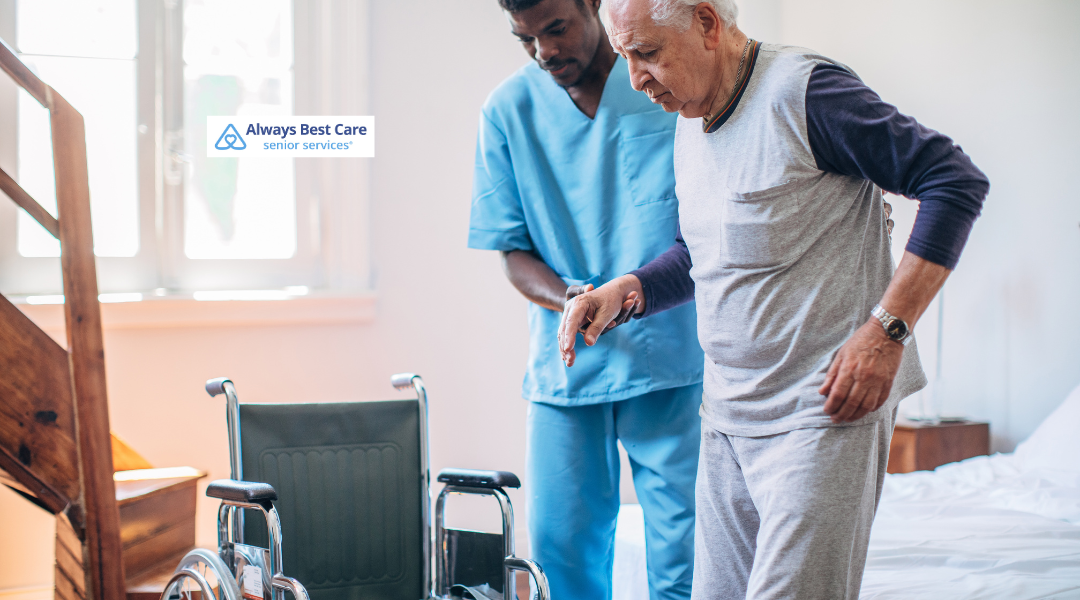
- Getting in and out of bed safely
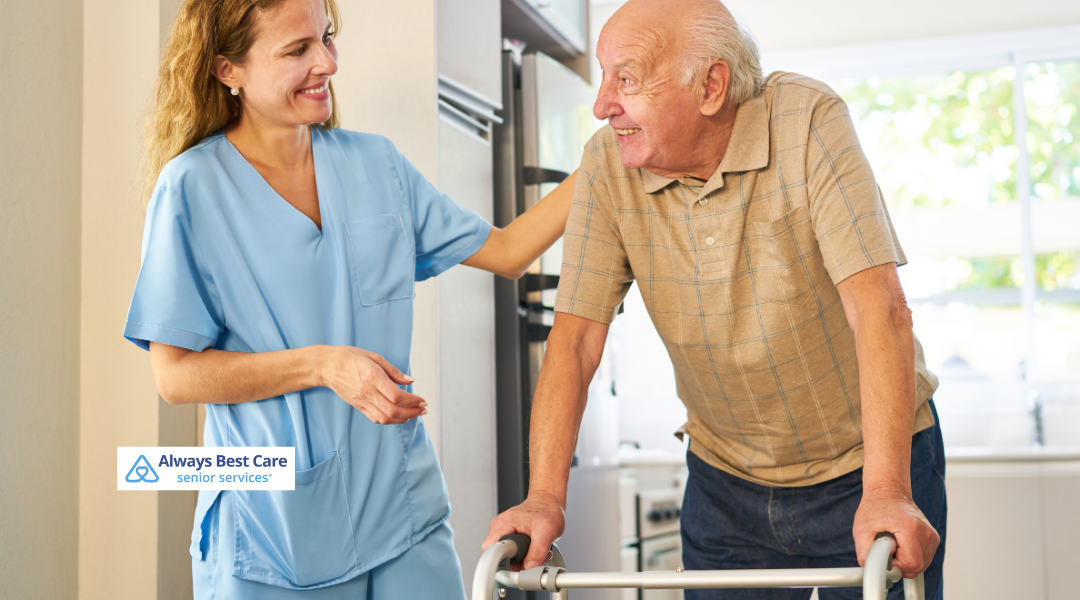
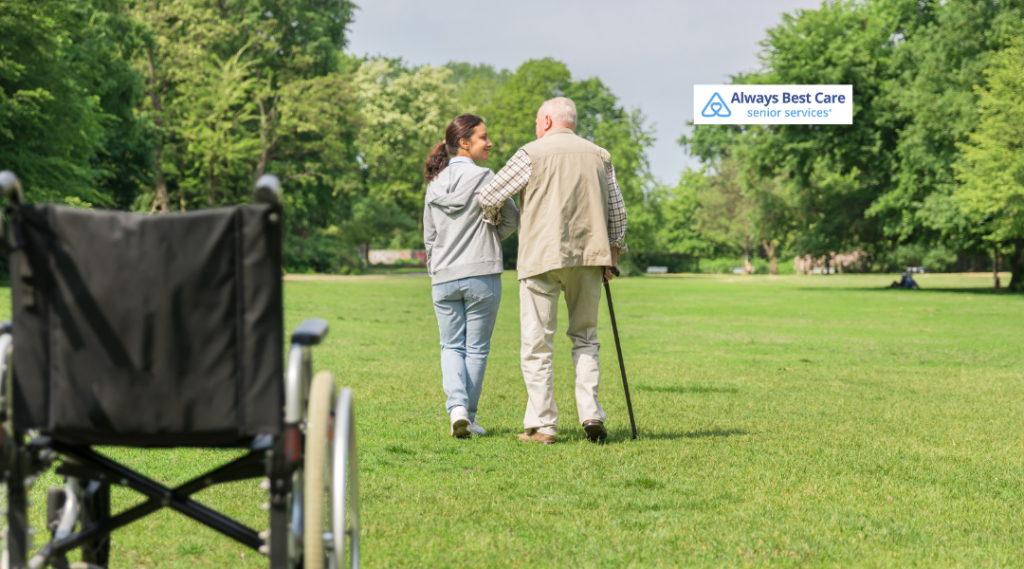
- Light movement and walking support
- Bathing and dressing assistance
- Encouraging gentle daily activity
It might seem simple, but those small steps? They add up fast.
And here’s the thing—having someone there makes everything feel less overwhelming.
Building Strength with Gentle Movement
Movement is a big deal after a stroke, but it’s not about pushing too hard too fast.
Caregivers in Garner often support light exercises designed to:
- Improve balance
- Build muscle strength
- Increase coordination
- Boost confidence
Think of it like rebuilding trust with your own body—slowly but surely.
And when progress happens, even in tiny ways, it feels like a win worth celebrating.

Medication Support and Daily Routines
Now, let’s talk about something that often gets overlooked—routine.
After a stroke, medication schedules can get complicated. Missing doses or mixing things up can cause setbacks.
That’s why in-home care often includes:
- Medication reminders
- Organizing daily prescriptions
- Keeping routines consistent
- Tracking basic health habits
It’s not about taking over—it’s about keeping things on track so nothing slips through the cracks.
Emotional Support: The Quiet Hero of Recovery
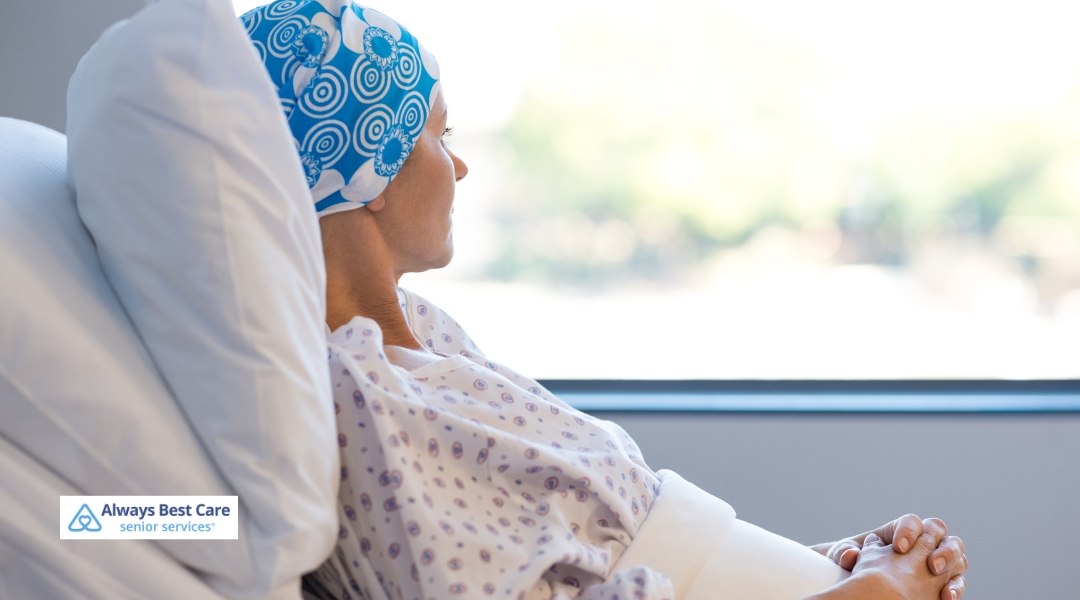
Here’s something people don’t always say out loud—stroke recovery can feel lonely sometimes.
Even with family around, frustration or uncertainty can sneak in.
That’s where caregivers really shine. A friendly chat, a bit of encouragement, or just having someone nearby can make a huge emotional difference.
It’s not just care. It’s companionship that helps lift the weight a little.
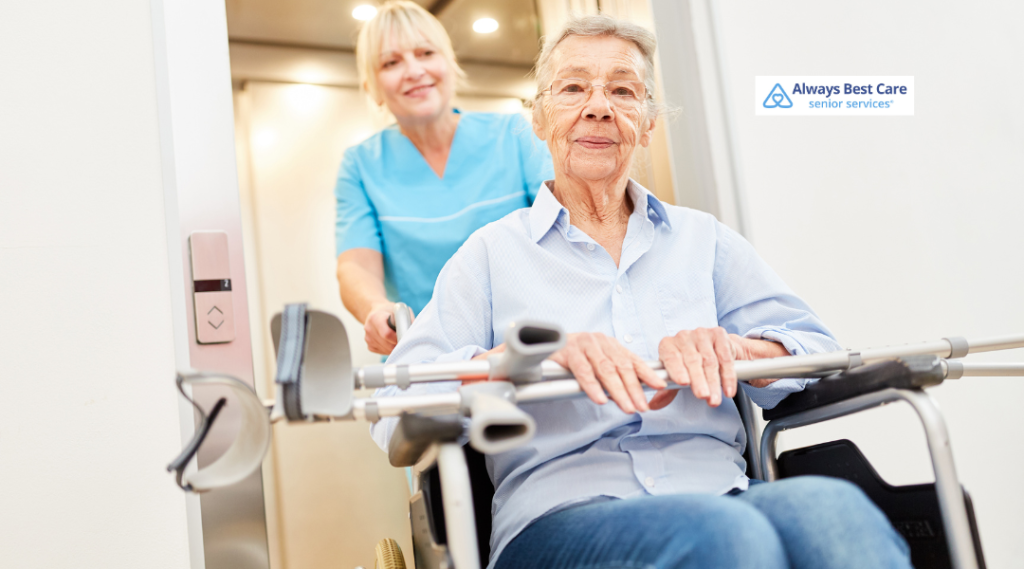
Family Relief and Peace of Mind
Let’s be real—family members do a lot during recovery. And it can get exhausting.
In-home care helps ease that pressure by:
- Sharing caregiving responsibilities
- Offering professional guidance
- Providing updates on progress
- Reducing daily stress for families
Suddenly, families can focus more on being family again—not just full-time caregivers.
How Always Best Care of Garner Helps With Post-Stroke Care
Recovery feels a lot less overwhelming when the right support is in place. Always Best Care of Garner provides compassionate in-home assistance that helps stroke survivors regain strength, confidence, and stability in a familiar environment.
Their care focuses on daily support, consistency, and meaningful connection—helping families feel more at ease throughout the recovery journey.
FAQ: Post-Stroke Home Care in Garner
Q: What does post-stroke care at home include?
A: It includes help with daily activities, mobility support, medication reminders, and emotional companionship to support recovery.
Q: How soon can in-home care start after a stroke?
A: Care can often begin shortly after hospital discharge, depending on medical recommendations and recovery needs.
Q: Can caregivers help with exercises at home?
A: Yes, caregivers can assist with gentle movement and exercises recommended by healthcare professionals.
Q: Is family involvement encouraged during care?
A: Absolutely. Families are encouraged to stay involved, stay informed, and participate in the care journey.
Compassionate Post-Stroke Care at Home in Garner
Post-stroke recovery isn’t a sprint—it’s more like a steady walk forward, sometimes slow, sometimes surprisingly strong. With Post-Stroke Care at Home in Garner, families don’t have to navigate it alone.
From helping with movement to offering emotional reassurance, in-home care brings comfort right where it’s needed most—home.
If your loved one could use that kind of support, reach out to Always Best Care of Garner today at 919-554-2223 to schedule a care consultation and explore how personalized in-home care can help make recovery feel safer, calmer, and more hopeful.
Link to the Markdown File version of this article.