Reduce Stroke Risk in Garner: Simple Lifestyle Tips for Seniors
Stroke is one of the leading causes of disability and death among older adults in the United States. Yet what many people don’t realize is that up to 80% of strokes are preventable. For seniors in Garner, understanding the risk factors and taking consistent, proactive steps can make a profound difference — not just in avoiding stroke, but in maintaining a higher quality of life overall.
This guide breaks down the most effective stroke prevention strategies for older adults, along with practical tips caregivers and family members can use to provide meaningful support.
What you will learn:
- How to manage key health factors like blood pressure and diabetes to keep your brain in tip-top shape.
- Simple and joyful ways to stay active and eat delicious foods that support your heart and mind.
- The wonderful benefits of having a helping hand from a caregiver make healthy living easy and consistent.
- Practical tips to lower your stroke risk so you can keep enjoying a vibrant life in our lovely Garner community.
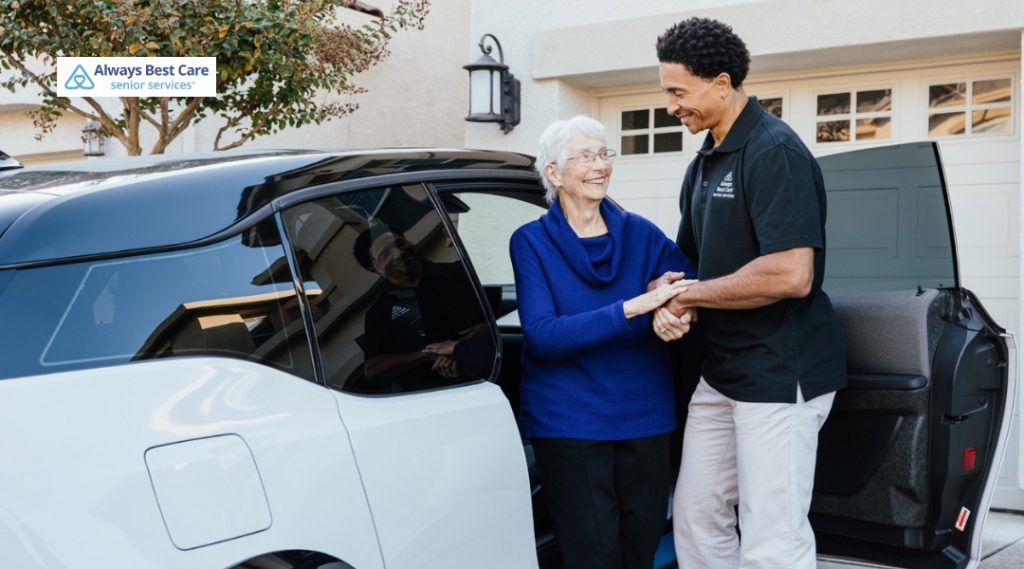
Table of Contents
Why Seniors Face a Higher Stroke Risk
The risk of stroke roughly doubles every decade after age 55. As the body ages, blood vessels naturally lose elasticity, and the likelihood of developing conditions like high blood pressure, diabetes, and atrial fibrillation increases. These conditions, when left unmanaged, can significantly raise the chance of a stroke occurring.
What makes stroke particularly dangerous is how quickly it strikes. Symptoms appear without warning, and every minute without treatment can result in lasting brain damage. That’s why prevention — not just response — must be the priority.
Control Blood Pressure: The Single Biggest Factor
High blood pressure is responsible for nearly half of all strokes. When blood pressure remains elevated over time, it places constant stress on arterial walls, making them more vulnerable to rupture or blockage.
For seniors, keeping blood pressure in a healthy range requires a combination of:
- Consistent monitoring — at home and during medical visits
- Medication adherence — taking prescribed medications at the same time each day
- Dietary adjustments — reducing sodium, processed foods, and alcohol
- Regular movement — even light daily activity helps lower blood pressure naturally
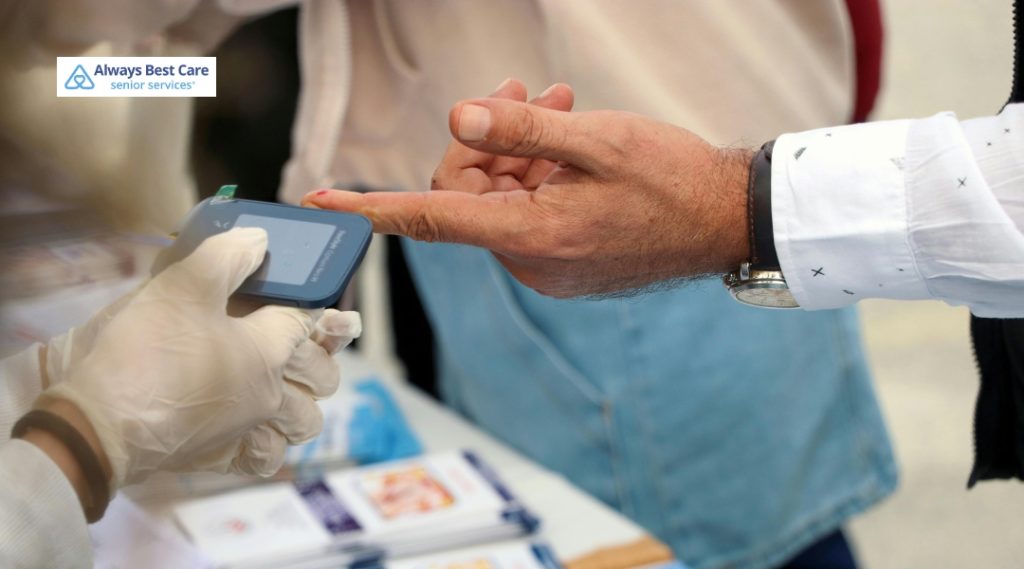
If a senior is managing blood pressure alone, a caregiver or family member can play a key role in tracking readings and flagging any concerning changes to a healthcare provider.
Manage Diabetes to Protect Blood Vessels
Diabetes affects how the body processes sugar, and chronically high blood glucose levels can damage blood vessels throughout the body — including those supplying the brain. Seniors with diabetes are two to four times more likely to experience a stroke than those without the condition.
Effective diabetes management includes:
- Monitoring blood sugar levels daily and logging results
- Following a meal plan that limits refined sugars and simple carbohydrates
- Staying active to improve insulin sensitivity
- Attending regular medical appointments to adjust treatment as needed
Consistency is key. Even small lapses in medication or diet can cause blood sugar spikes that increase stroke risk over time.
Keep Cholesterol in Check
Cholesterol buildup in the arteries — a condition called atherosclerosis — can restrict blood flow to the brain and set the stage for a stroke. Many seniors have elevated cholesterol without any noticeable symptoms, which is why routine screening matters.
Supporting healthy cholesterol levels involves:
- Prioritizing heart-healthy foods: leafy greens, fatty fish, whole grains, and legumes
- Limiting saturated fats found in red meat, full-fat dairy, and fried foods
- Taking prescribed cholesterol-lowering medications as directed
- Staying physically active to raise HDL (good) cholesterol naturally
Small, sustained dietary changes often have a greater long-term impact than short-term restrictive diets.
Make Movement a Daily Habit
Physical activity is one of the most powerful tools for stroke prevention. Regular exercise improves circulation, helps maintain a healthy weight, lowers blood pressure, and reduces inflammation — all factors that directly influence stroke risk.
Seniors don’t need to engage in intense exercise to see benefits. Effective options include:
- Daily walks — even 20 to 30 minutes around the neighborhood
- Chair-based exercises — ideal for seniors with limited mobility
- Yoga or tai chi — improve balance, flexibility, and cardiovascular health
- Gardening or light yard work — keeps the body moving in an enjoyable way
The goal is consistency over intensity. Finding activities that are enjoyable and sustainable makes it far easier to stay active in the long term.
Eat for Brain and Heart Health
Diet plays a direct role in managing nearly every major stroke risk factor. A nutrient-dense diet helps regulate blood pressure, blood sugar, and cholesterol simultaneously.
A brain- and heart-healthy diet for seniors should emphasize:
- Fruits and vegetables — aim for a variety of colors to maximize antioxidant intake
- Whole grains — oats, brown rice, and quinoa over refined carbohydrates
- Lean proteins — fish (especially salmon and sardines), poultry, beans, and lentils
- Healthy fats — olive oil, avocado, and nuts in moderation
- Adequate hydration — dehydration can thicken the blood and impair circulation
Reducing sodium is especially important for seniors managing blood pressure. Reading food labels and cooking at home more often are practical ways to cut back.
The Role of Caregivers in Stroke Prevention
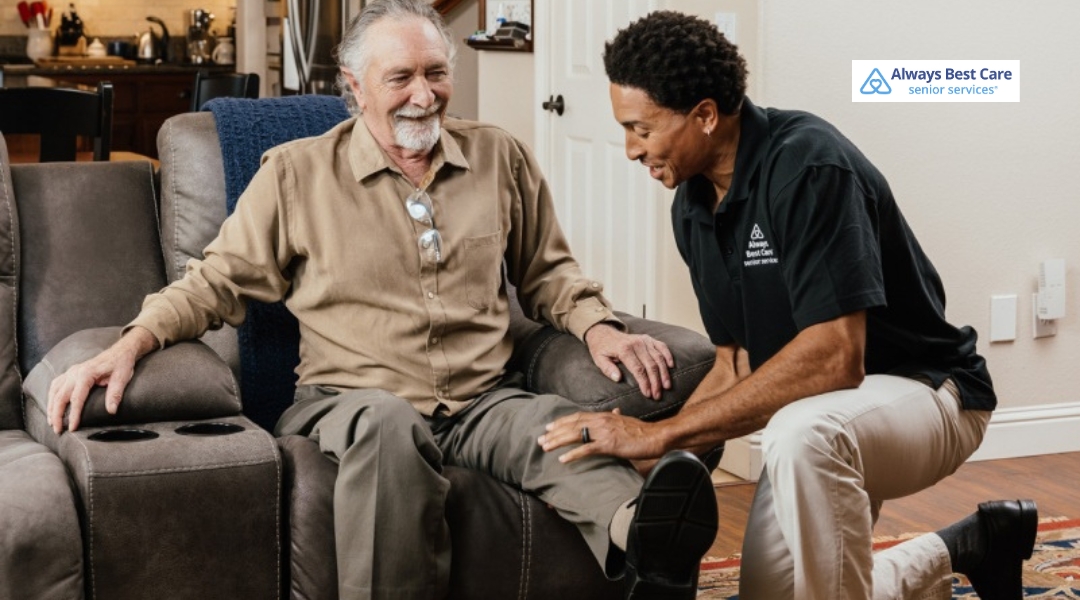
For seniors managing multiple health conditions or living alone, maintaining consistent healthy habits can be genuinely difficult. This is where caregiver support becomes invaluable.
Caregivers can help by:
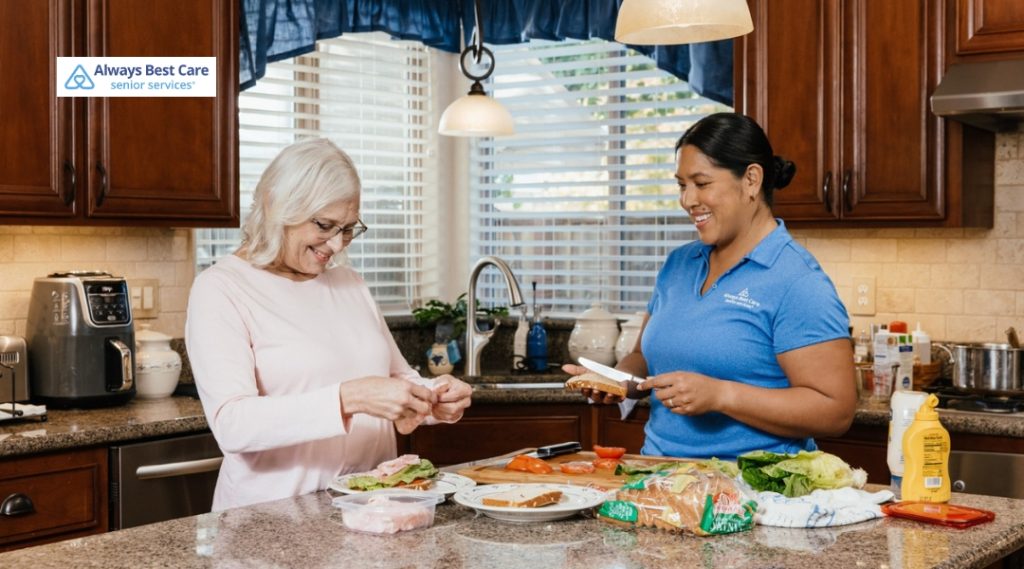
- Preparing balanced, low-sodium meals tailored to dietary needs
- Accompanying seniors on daily walks or exercise routines
- Organizing medications and setting reminders to ensure adherence
- Tracking health metrics like blood pressure and blood sugar
- Communicating any changes in health or behavior to medical providers
These daily touchpoints don’t just support physical health — they also reduce isolation, which is itself a risk factor for poor health outcomes in older adults.
Frequently Asked Questions
Q: What are the most common warning signs of a stroke?
A: The most recognized warning signs follow the FAST acronym: Face drooping, Arm weakness, Speech difficulty, and Time to call 911. Other symptoms may include sudden vision changes, severe headache, or loss of balance. If any of these occur, seek emergency care immediately.
Q: At what age should seniors start focusing on stroke prevention?
A: Stroke prevention is relevant at any age, but it becomes especially important after 55. Seniors who already have conditions like high blood pressure, diabetes, or heart disease should be actively managing those conditions with their healthcare provider, regardless of age.
Q: Can stroke risk be reduced even after a previous stroke or TIA?
A: Yes. Survivors of a stroke or transient ischemic attack (TIA) are at higher risk for a second event, but lifestyle changes and medical management can significantly reduce that risk. Following a care plan closely and working with a healthcare team is essential.
Q: How does sleep affect stroke risk?
A: Poor sleep — particularly untreated sleep apnea — is linked to increased stroke risk. Sleep apnea causes repeated drops in oxygen levels during the night, which stresses the cardiovascular system. Seniors experiencing loud snoring, gasping, or excessive daytime fatigue should speak with their doctor.
Q: How can Always Best Care help with stroke prevention?
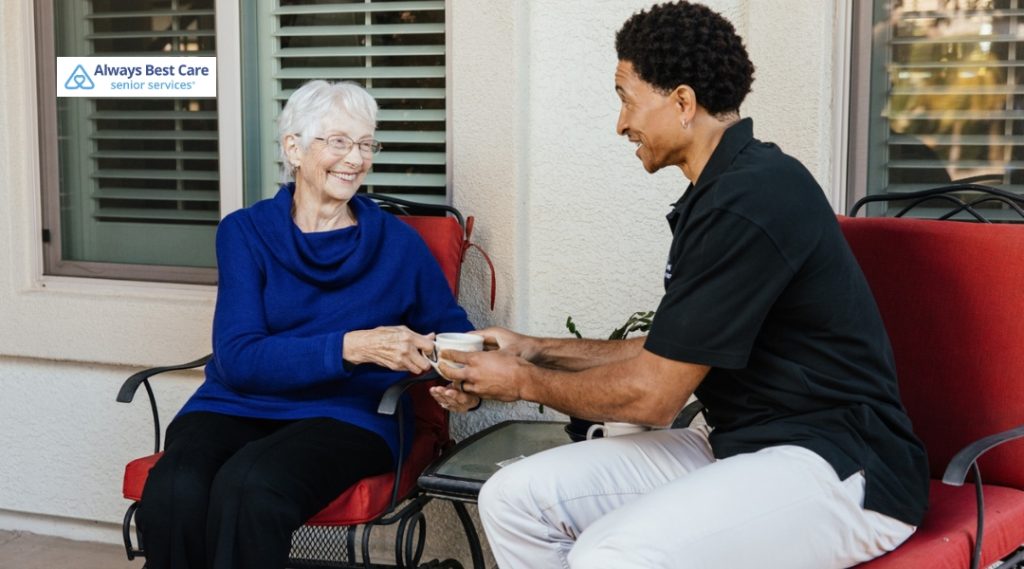
A: Our caregivers support seniors in Garner with the daily routines that matter most — from meal preparation and medication reminders to companionship and health monitoring. We work alongside families to create a safe, structured home environment that promotes long-term well-being.
Stay Ahead of Stroke Risk with Healthy Habits and Trusted Support
Preventing a stroke doesn’t come down to one single change—it’s the result of small, consistent habits that support overall health every day. For seniors in Garner, staying proactive with blood pressure, blood sugar, cholesterol, nutrition, and movement can significantly reduce risk while improving energy, independence, and quality of life. With the right support system in place, these healthy routines are easier to maintain. By taking prevention seriously today, seniors and their families can feel more confident about protecting brain health and enjoying the years ahead with greater peace of mind.
At Always Best Care of Garner, we’re committed to helping seniors live healthier, more independent lives. Call us today at (919) 554-2223 to schedule a care consultation and learn how our team can support your loved one’s health every step of the way.
Link to the Markdown File version of this article.