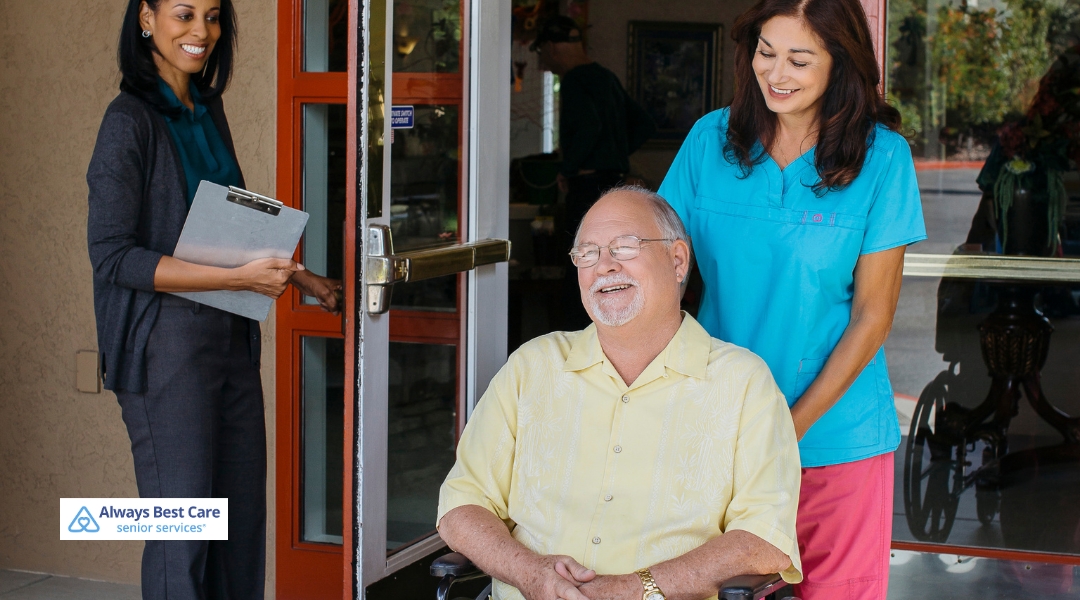

Supporting Seniors in Garner: Effective Diabetes Management for Health and Independence at Home

Diabetes is incredibly common among seniors, and here’s the good news—it’s absolutely manageable with the right approach. What makes managing diabetes with seniors different from younger adults is that their bodies work differently, they’re often juggling multiple medications, and they might be dealing with other health conditions, too. The challenge isn’t insurmountable, though. With solid support, consistent monitoring, and a bit of daily structure, older adults can live vibrant, active lives while keeping their blood sugar in check.
The thing is, families and caregivers play a huge role here. You’re not just helping someone take their medication—you’re helping them maintain independence, prevent serious complications, and stay engaged in life. That’s real stuff.
What you will learn:
- How diabetes affects older adults and the unique challenges they face in managing it.
- The importance of a solid nutrition plan and regular exercise in controlling blood sugar levels.
- Practical tips for caregivers to help seniors stay on top of medications, monitoring, and spotting trouble early.
- How professional in-home care in Garner can provide valuable support to seniors managing diabetes.

Table of Contents
Understanding How Diabetes Affects Older Adults
When someone has diabetes, their body struggles to manage glucose (that’s just fancy talk for sugar). Blood sugar climbs higher than it should, and over time, that can damage the heart, kidneys, eyes, and nerves if left unchecked.
Most seniors with diabetes have Type 2, which typically develops because their bodies become resistant to insulin. Type 1 is less common in older adults but still shows up, usually in folks who were diagnosed years ago.
Here’s what makes managing diabetes with seniors tricky: their metabolisms have changed, they might not feel hungry at regular times, medications interact in complicated ways, and they’re often dealing with multiple health issues simultaneously. That’s a lot to juggle.
Real Challenges Seniors Face Daily
Let’s be honest about what actually makes this difficult:
- Forgetting to check blood sugar or take insulin on schedule
- Eating irregularly because appetite just isn’t what it used to be
- Physical limitations make meal prep harder than it should be
- Vision problems that make reading medication labels frustrating
- Keeping track of multiple prescriptions for different conditions
- Living alone and not having someone to catch warning signs
These obstacles can create unstable blood sugar levels and increase the risk of hypoglycemia—dangerously low blood sugar—which is especially risky for seniors living by themselves.

Creating a Solid Nutrition Plan
Here’s the foundation: diet matters enormously. A balanced approach works best for managing diabetes in seniors. Think:
- High-fiber foods like vegetables, beans, and whole grains
- Lean proteins such as fish, chicken, or plant-based options
- Minimal added sugars and refined carbohydrates
- Smaller, more frequent meals instead of three large ones
The goal isn’t deprivation—it’s stability. Consistent meals help prevent those wild blood sugar swings that leave folks feeling exhausted or shaky. Honestly, working with someone to plan and prepare meals makes a tremendous difference. It removes the guesswork and ensures seniors are actually eating well.
Getting Moving (The Right Way)
Exercise doesn’t have to mean hitting the gym. For most seniors, gentle, low-impact movement is perfect:
- Walking around the neighborhood or inside the house
- Light stretching or basic yoga
- Chair exercises while watching TV
- Gardening or light housework
- Swimming or water aerobics, if available
Movement helps lower blood sugar, boosts circulation, lifts mood, and builds strength. Before starting anything new, though, check with a doctor first to make sure it’s safe and appropriate for that person’s situation.

Staying On Top of Medications and Monitoring
This is where consistency really pays off. Caregivers can help by:
- Setting phone reminders for testing and medication times
- Organizing pills in clearly labeled weekly boxes
- Keeping a simple log of blood sugar readings
- Scheduling regular checkups with healthcare providers
When managing diabetes with seniors, these systems prevent missed doses and help spot patterns. Caregivers can also notice subtle changes—like unusual fatigue or shifts in appetite—that signal blood sugar isn’t cooperating.
Spotting Trouble Before It Gets Serious
Watch for these red flags:
- Excessive thirst or frequent urination
- Sudden tiredness or weakness
- Blurred or fuzzy vision
- Unexplained weight loss
- Wounds or infections that heal slowly
If any of these show up, contact a healthcare provider promptly. Early intervention prevents complications from snowballing.

Customizing Treatment Based on Individual Needs
Here’s something important: not all seniors need identical diabetes management. For those who’re active and healthy, stricter blood sugar targets might make sense. For folks who’re frail, dealing with dementia, or have multiple serious health conditions, more relaxed targets actually prevent dangerous low blood sugar episodes and reduce the burden of constant monitoring.
The best approach considers someone’s overall health, whether they’re living independently, their cognitive sharpness, and how long they’re likely to live. It’s not one-size-fits-all.
How Professional In-Home Care Helps
Managing diabetes with seniors becomes significantly easier with professional support. Caregivers can:
- Shop for groceries and prepare healthy meals
- Encourage daily movement and proper hydration
- Provide medication reminders and track compliance
- Watch for symptoms and report changes to family and doctors
- Offer companionship, which actually reduces stress (and stress affects blood sugar)
With compassionate, trained support, seniors maintain better control and enjoy a higher quality of life while staying in their homes.
Frequently Asked Questions
Q: What’s the difference between Type 1 and Type 2 diabetes in older adults?
A: Type 2 is far more common in seniors and usually develops because the body becomes resistant to insulin. Type 1, though rare in this age group, requires insulin injections. Most seniors with Type 1 were diagnosed much earlier in life.
Q: How often should an older adult check their blood sugar?
A: That depends on their specific situation, medications, and overall health. Some need daily checks; others need them less frequently. A healthcare provider can recommend the right schedule.
Q: Is exercise safe for seniors with diabetes?
A: Absolutely, but they should check with their doctor first. Gentle, low-impact activities like walking, stretching, and chair exercises work wonderfully and improve both blood sugar control and overall well-being.
Q: What happens if diabetes goes unmanaged in seniors?
A: Uncontrolled diabetes damages the heart, kidneys, eyes, and nerves over time. That’s why consistent management and monitoring matter so much.
Q: Can seniors reduce their diabetes medications?
A: Sometimes, yes—but only under medical supervision. Simpler medication regimens with lower hypoglycemia risk are often better for older adults, especially those who’re frail or managing multiple conditions.

Empower Your Loved Ones in Garner: Simple Steps to Manage Diabetes and Stay Independent at Home!
Managing diabetes with seniors doesn’t have to feel overwhelming. The combination of practical daily habits, consistent monitoring, and professional support creates a sustainable approach that keeps older adults healthy, safe, and independent.
Every person’s situation is different, so working with healthcare providers to create a personalized plan makes all the difference. With the right support system in place, your loved one can absolutely live a fulfilling life while managing their diabetes effectively. That’s not just possible—it’s completely achievable.
Contact Always Best Care of Garner at 919-554-2223 to learn more and schedule your care consultation.