
Bringing Words Back Home: The Power of Speech Therapy for Seniors in Lexington
After a stroke or neurological condition, something as simple as saying “hello” can feel like climbing a mountain. But here’s the good news—recovery doesn’t have to happen in a cold, clinical setting. With speech therapy at home, seniors can rebuild communication skills in a place that feels safe, familiar, and comforting.
What You Will Learn
- How speech therapy at home supports recovery
- Key benefits for seniors with neurological conditions
- The role of family in the healing process
- Practical ways therapy improves daily communication
Table of Contents
Speech Therapy at Home: Why It Matters
Let’s face it—communication is everything. It’s how we connect, share stories, and express needs. When that ability is disrupted, it can feel isolating.
Speech therapy at home flips the script. Instead of forcing seniors into unfamiliar environments, therapy meets them where they’re most at ease. That comfort? It’s not just nice—it’s powerful.
How Speech Therapy Rebuilds Communication
Recovery isn’t a one-and-done deal. It’s gradual, sometimes messy, but always meaningful.
Here’s how therapists help seniors regain their voice:
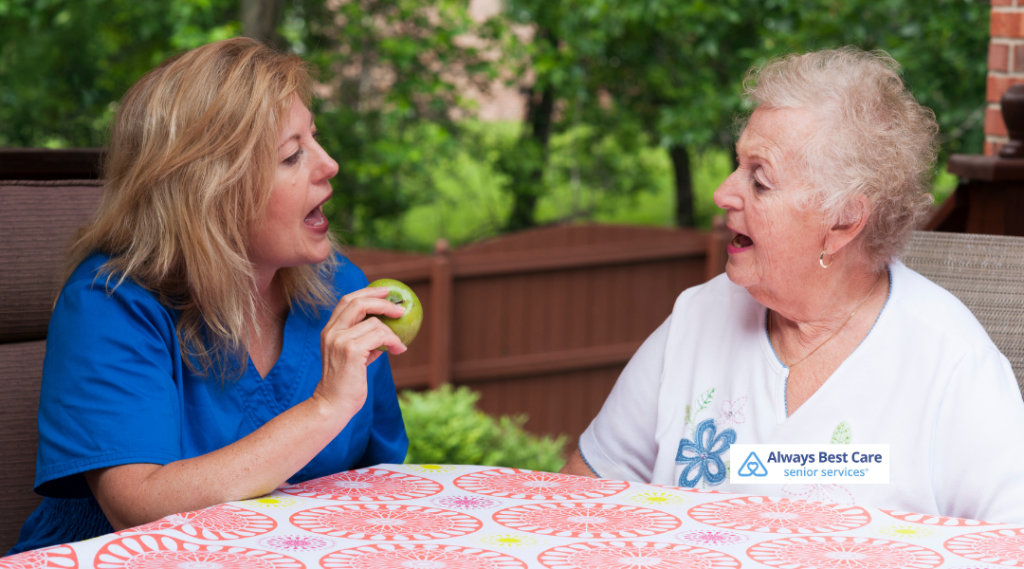
- Word exercises: Using flashcards, pictures, or everyday objects
- Speech practice: Repeating sounds and phrases to improve clarity
- Memory activities: Strengthening recall and cognitive connections
- Conversation drills: Practicing real-life dialogue in a relaxed setting
Little by little, words come easier. Confidence grows. And suddenly, conversations don’t feel so intimidating anymore.
The Comfort of Familiar Surroundings
There’s something special about being at home. The favorite chair. The family photos. The rhythm of daily life.
Speech therapy at home uses these familiar elements as tools. Instead of abstract exercises, therapy becomes part of everyday moments—naming objects in the kitchen, chatting during meals, or recalling memories sparked by surroundings.
It’s practical. It’s personal. And honestly, it just works better for many seniors.

The Role of Family in the Healing Journey
Recovery isn’t a solo act—it’s a team effort.
When therapy happens at home, family members naturally become part of the process. They learn how to:
- Encourage communication without pressure
- Practice exercises between sessions
- Create a supportive, patient environment
And let’s not underestimate the emotional boost. A smile, a shared laugh, a small win—these moments fuel progress in ways no textbook ever could.
Boosting Confidence, One Word at a Time
Here’s the thing—speech therapy isn’t just about words. It’s about confidence.
When seniors start to express themselves again, even in small ways, it sparks something powerful:
- A willingness to engage socially
- Reduced frustration and anxiety
- A renewed sense of independence
It’s like watching someone rediscover a part of themselves they thought was lost. And that? That’s priceless.

Speech Therapy at Home and Everyday Joy
Progress doesn’t always come in big leaps. Sometimes, it’s subtle—a clearer sentence, a remembered word, a smoother conversation.
But those small victories add up.
Over time, speech therapy at home helps seniors reconnect with loved ones, participate in daily life, and—perhaps most importantly—feel like themselves again.
FAQs
Q: What conditions can benefit from speech therapy at home?
A: Speech therapy can help seniors recovering from strokes, Parkinson’s disease, dementia, or other neurological conditions that affect communication.
Q: How often should speech therapy sessions take place?
A: It depends on individual needs, but many seniors benefit from multiple sessions per week combined with daily practice.
Q: Can family members really make a difference in therapy?
A: Absolutely. Family involvement reinforces progress, provides emotional support, and helps seniors practice skills consistently.
Q: How long does it take to see results?
A: Every person is different, but with consistent effort, many seniors begin noticing improvements within weeks.
Start the Journey Back to Confident Communication at Home
Rebuilding communication after a stroke or neurological condition isn’t easy—but it’s far from impossible. With speech therapy at home, seniors can regain not just their words, but their confidence, independence, and joy.
If you’re looking for compassionate, personalized support, Always Best Care of Lexington is here to help every step of the way. Reach out today at (859) 305-0060 and take the first step toward reconnecting with the moments—and conversations—that matter most.
Link to the Markdown File version of this article.