

Recognize, Respond, Protect: Elder Abuse Prevention for Lexington Families

No one should have to lie awake at night wondering if a parent or grandparent is being mistreated. Yet elder abuse is a real and growing problem, and it often hides in plain sight. It can happen behind closed doors in private homes, in care settings, or even within trusted relationships where we’d least expect it.
By learning what elder abuse looks like, what puts seniors at risk, and what we can do about it, we give our loved ones something priceless: safety, dignity, and peace of mind. At Always Best Care of Lexington, KY, we walk alongside families so we can tackle these worries together.
What you will learn:
- How to recognize elder abuse and understand the different forms it can take.
- The common warning signs and risk factors that may put older adults at greater risk.
- Practical ways families can help protect seniors and promote their safety and well-being.
- How professional in-home caregivers and community resources can support abuse prevention and provide help when concerns arise.
Table of Contents
What Is Elder Abuse?
Elder abuse is any act—or failure to act—that harms an older adult or causes fear, distress, or serious risk. It’s not always loud, obvious, or dramatic. Sometimes it creeps in quietly, one small incident at a time.
Common forms of elder abuse include:
- Physical abuse – hitting, shoving, rough handling, or using restraints in a harmful way.
- Emotional abuse – yelling, threats, humiliation, insults, or isolating a senior from friends and family.
- Financial exploitation – pressuring a senior to hand over money, misuse of checks or credit cards, or sneaky changes to legal or financial documents.
- Neglect – failing to provide basic needs like food, clean clothes, hygiene, medication, or needed medical care.
- Abandonment or lack of supervision – leaving a senior alone when they clearly need help or oversight.
Recognizing that elder abuse doesn’t always look the same is the first big step in prevention.
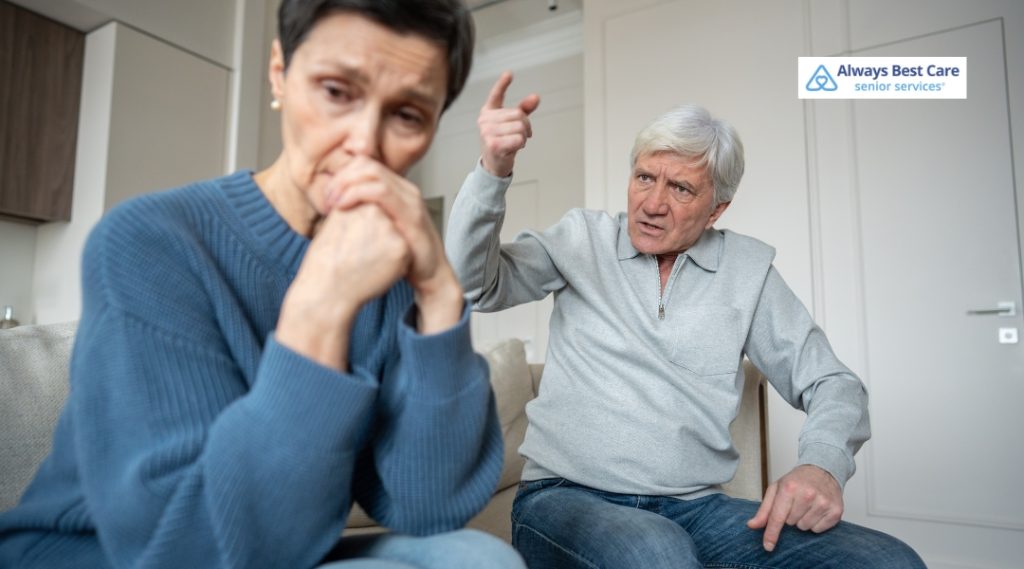
Warning Signs Families Should Watch For
Elder abuse can be sneaky. Early on, it may look like forgetfulness, clumsiness, or “just getting older.” Still, certain changes should raise a red flag.
Possible Warning Signs
- Unexplained bruises, cuts, burns, or frequent falls
- Sudden mood swings, anxiety, depression, or withdrawal from usual activities
- Poor hygiene, dirty clothes, or strong body odor
- Weight loss, dehydration, or an empty fridge
- Unusual bank withdrawals or missing cash or valuables
- Bills are going unpaid when money should be available
- A senior who seems fearful, quiet, or tense around a specific person
- Noticeable changes in sleep, appetite, or communication
If something doesn’t sit right, it’s wise to trust that instinct and look closer rather than shrug it off.
Risk Factors That Increase Vulnerability
Some situations make seniors easier targets for abuse. Understanding these pressure points helps us shore up weak spots before trouble starts.
Common Risk Factors
- Social isolation – limited visitors, few phone calls, or no nearby family
- Cognitive changes – dementia, memory loss, or confusion that makes it hard to speak up or explain what’s happening
- Physical limitations – needing help with bathing, dressing, or moving around
- Financial dependence – relying on others for money, bill paying, or banking
- Caregiver stress or burnout – overwhelmed, unsupported caregivers who may lash out or give up on proper care
By addressing these risk factors early—adding support, checking in more often, giving caregivers a break—we lower the odds that abuse will take root.

Steps Families Can Take to Prevent Elder Abuse
We can’t be everywhere at once, but we can create a safer circle around the seniors we love. A few steady habits go a long way.
Practical Prevention Tips
- Stay involved regularly
Visit often when possible. If distance is an issue, schedule routine calls or video chats so you can see how your loved one looks and sounds. - Ask real questions
Go beyond “How are you?” Try: - “Do you feel safe at home?”
- “Is anyone making you feel afraid or uncomfortable?”
- “Is anyone borrowing money or using your cards without your say-so?”
- Keep an eye on finances
- Review bank statements together.
- Use alerts for large withdrawals.
- Make sure legal documents are reviewed and updated as needed.
- Build a support circle
- Involve trusted neighbors, friends, and faith or community groups.
- Make sure more than one person is checking in.
- Support the caregiver
- Encourage breaks, time off, or respite care.
- Talk openly about stress and burnout before it boils over.
Creating a culture of openness—where questions are welcome, and nothing is “off limits”—helps stop abuse from hiding in the shadows.
The Role of Professional In-Home Care in Lexington, KY
Professional in-home care can be a powerful tool in elder abuse prevention. With the right support, seniors can stay in familiar surroundings while still being protected and respected.
At Always Best Care of Lexington, KY, we’re committed to providing safe, compassionate care that honors each senior’s dignity and independence. We carefully screen and train caregivers so we can place people in homes who are patient, trustworthy, and genuinely caring.
Here’s how we help reduce risks for seniors in Lexington, KY:
- Consistent presence – Regular visits mean someone reliable is checking on your loved one’s well-being.
- Extra set of eyes and ears – Caregivers can notice changes in mood, behavior, appearance, or home environment and share those concerns with family.
- Support with daily tasks – We help with bathing, dressing, meals, light housekeeping, and companionship, reducing stress on family and other caregivers.
- Respectful communication – We listen closely to seniors and encourage them to speak up if something doesn’t feel right.
By working as a team with families, we create a safer, more supportive environment where seniors are less likely to face neglect or mistreatment.
What Should You Do If You Suspect Elder Abuse?
If your gut says, “Something’s wrong,” it’s time to act—gently but firmly. Waiting rarely makes things better.
Immediate Steps
- Talk privately with your loved one
Choose a calm, safe setting. Speak gently and listen more than you talk. Ask open questions: - “Has anyone hurt you or made you feel unsafe?”
- “Is anyone taking your money or things without asking?”
- Write down what you see and hear
Note dates, times, injuries, changes in behavior, or financial issues. These details matter. - Reach out to professionals
- Local adult protective services
- Healthcare providers, such as the senior’s doctor
- Law enforcement, if there’s immediate danger
Acting quickly can stop further harm and send a clear message that your loved one is not alone.

Creating a Safer Future for Seniors in Lexington, KY
Elder abuse prevention is a shared effort. Families, neighbors, caregivers, and local services all play a part. By staying informed, staying involved, and speaking up when something seems off, we build a safer community for the seniors who’ve spent a lifetime caring for us.
At Always Best Care of Lexington, KY, we take this responsibility to heart. We work closely with families to tailor in-home support that promotes safety, comfort, and respect. Together, we can help seniors stay protected and still enjoy the comfort of home.
FAQs about Elder Abuse Prevention in Lexington, KY
Q: What’s the most common sign of elder abuse?
A: There isn’t just one, but sudden changes—like unexplained bruises, fearfulness, or unusual money issues—often signal a problem that needs a closer look.
Q: Can elder abuse happen in a family member’s home?
A: Yes, it can. Abuse can occur in any setting, including family homes, senior apartments, and care facilities. That’s why ongoing communication and oversight are so important.
Q: How can we talk about elder abuse without scaring our loved ones?
A: Use calm, caring language. Focus on wanting them to feel safe and respected. Reassure them that you’re on their side and that they won’t be in trouble for speaking up.
Q: How does Always Best Care of Lexington, KY help prevent elder abuse?
A: We use careful screening, training, and ongoing communication with families. Our caregivers provide consistent support, watch for early warning signs, and treat seniors with the respect and kindness they deserve.
Q: Who should we call first if we think abuse is happening?
A: If there’s immediate danger, call law enforcement right away. For other concerns, contact adult protective services or a healthcare provider, and keep the family closely involved.
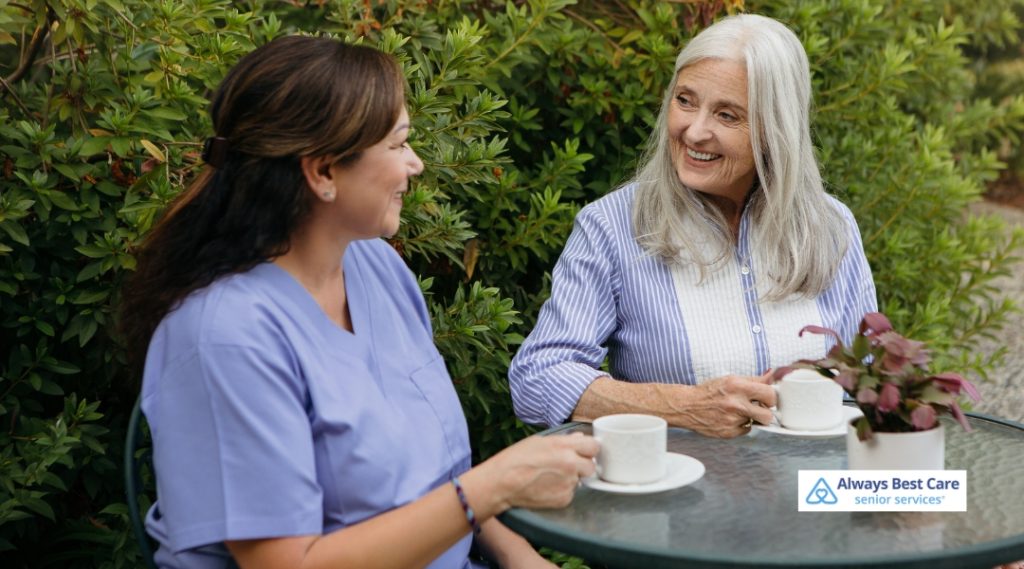
Create a Safer Future for Seniors
Elder abuse can be quiet, but our response doesn’t have to be. By learning the signs, watching for risk factors, staying in touch, and getting reliable help, families in Lexington, KY can protect the seniors they love.
We at Always Best Care of Lexington, KY, are here to walk that road with you—offering trustworthy in-home support, open communication, and genuine care so seniors can live safely, respectfully, and with the dignity they’ve earned.
Call Always Best Care of Lexington at (859)587-3951 to schedule a care consultation and learn how we can support your family with safe, respectful, and reliable in-home care.
Link to the Markdown File version of this article.